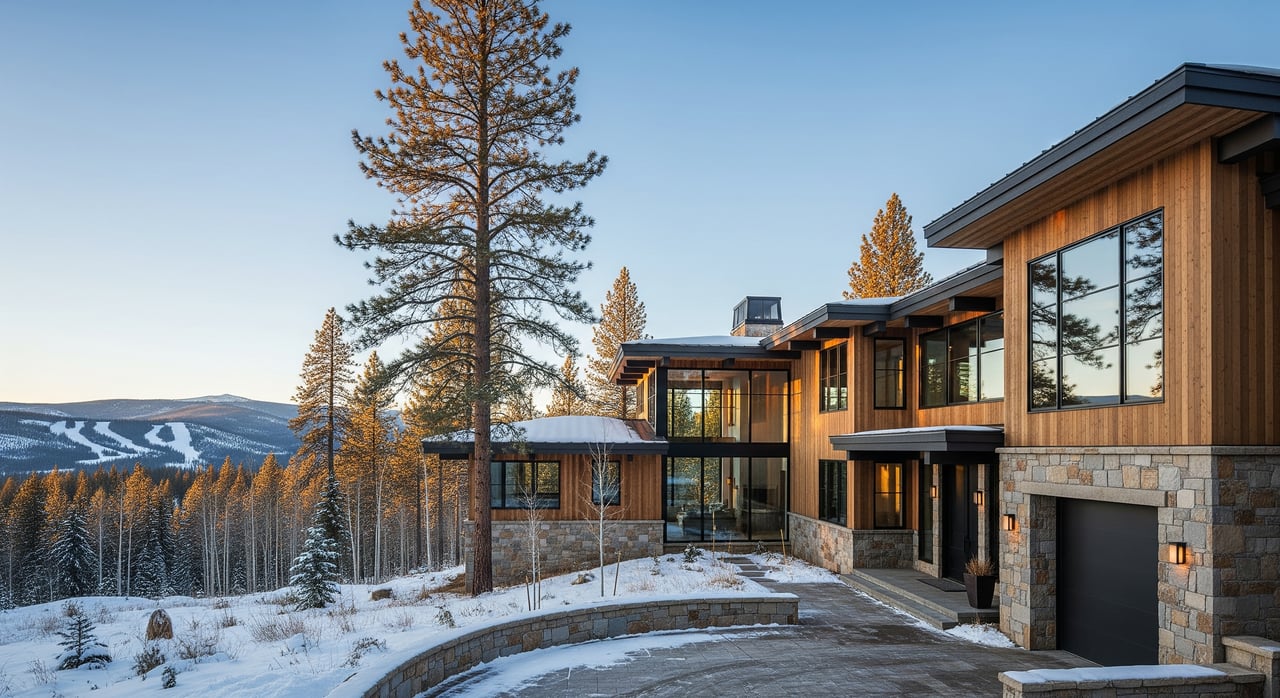
If you love weekend powder runs but do not need to live on the lift, a ski‑adjacent home in Truckee can be a smart, flexible choice. You get quick access to Northstar and Palisades Tahoe with more privacy and often better year‑round livability than slopeside condos. In this guide, you will get clear definitions, practical tradeoffs, access tips, winter upkeep basics, and a simple checklist to start your search with confidence. Let’s dive in.
Ski‑adjacent vs. slopeside
Clear definitions
- Slopeside means direct access to the base area or terrain without a vehicle. These are usually village condos, some townhomes, or resort‑front homes.
- Ski‑adjacent means close to the resort by a short walk, shuttle, or brief drive. Expect roughly 3–20 minutes by shuttle or car depending on snow and terrain.
- In Truckee, slopeside is most common right at resort bases like Northstar California Resort and Palisades Tahoe. Ski‑adjacent covers nearby neighborhoods that trade a few minutes of travel for more space and quiet.
What you gain and give up
- Slopeside pros: instant convenience, strong appeal for some renters where allowed, and specific buyer demand at resale. Cons include higher prices, more seasonal noise and traffic, and tighter parking or rental rules in some complexes.
- Ski‑adjacent pros: better value per square foot in many cases, larger lots, quieter streets, and more neighborhood options. Cons include reliance on a shuttle or vehicle, winter driving considerations, and guest parking checks.
- Budget for snow removal, understand HOA responsibilities, and verify insurance needs. Each affects cost and daily life in winter.
Access to Northstar and Palisades
Corridors overview
- Northstar corridor: You typically reach the resort via CA‑267 from Truckee. Neighborhoods near the village or along the corridor are popular for shorter trips to the lifts.
- Palisades corridor: Access depends on your origin in Truckee. Many routes connect toward Olympic Valley and Alpine Meadows areas. Your actual drive varies by weather and where you start.
- Many buyers balance lift access with year‑round needs like commuting, schools, and amenities. Walk the route, test drive it in winter, and compare both corridors.
Shuttles and transit
- Regional service: Tahoe Truckee Area Regional Transit (TART) runs seasonal and year‑round routes linking Truckee with North Lake Tahoe resorts. Schedules change by season, so check TART routes and service before you plan.
- Resort or HOA shuttles: Some resorts and neighborhoods operate shuttles to base areas. Confirm stops, hours, and whether your street is on the route.
- Private rides: Owners often rely on personal vehicles or private shuttle operators. Rideshare availability can be limited during storms.
Parking policies
- Resort parking can be paid, reservation‑based, or capacity‑limited on peak days. Review current policies for Northstar and Palisades Tahoe, especially if you host guests.
- Neighborhood parking rules vary. Some HOAs restrict on‑street parking in winter to allow plows through. Verify guest parking and any permit needs.
Winter driving basics
- Chain controls and traction rules change with weather. Use Caltrans QuickMap to check live chain controls, road conditions, and closures.
- Look at driveway grade, turnaround space, and snow storage on site. Heated driveways or level parking can make a big difference in big storms.
- Expect longer travel times on peak weekends or during active storms. Build in buffers for arrival and departure.
Snow management and upkeep
Who handles what
- HOAs in resort communities often plow private roads, clear common parking, and maintain shared walkways. The exact scope is set by the CC&Rs and budget.
- You are typically responsible for your driveway, entries, and roof work not covered by the HOA. You must also move vehicles during plowing and follow parking rules.
- The Town of Truckee maintains public roads and provides winter notices. Review local updates from the Town of Truckee before major storms.
Services and costs to expect
- Snow removal options include HOA crews, seasonal contracts with local plow services, one‑off call‑outs, or owner DIY with blowers. In heavy winters, contractors book up, so secure coverage early.
- Costs depend on driveway length and slope, storm frequency, roof raking needs, and whether snow must be hauled offsite. Ask for local estimates for an apples‑to‑apples comparison.
- In heavy snow years, HOAs may need special assessments. Review reserve studies and budget line items for snow removal and road work.
Roof, ice, and structure
- Ice dams are common in freeze‑thaw cycles. Prevention includes proper insulation and ventilation, and sometimes heated cables.
- Have inspections check roof condition, attic ventilation, and signs of prior ice dam damage. Decks and balconies also bear extra snow loads.
- Confirm garage door clearances and storage space for snow. Big berms can block doors or pinch mechanisms.
Utilities and winterization
- Heating systems should be sized and serviced for cold months. Verify age, service records, and backups.
- Seasonal homes may need winterization protocols and remote monitoring for temperature and leaks.
- Consider backup power for outages. Your risk tolerance and usage patterns will guide whether you choose portable generators or whole‑house systems.
HOAs and buyer due diligence
What to review in the packet
- CC&Rs, bylaws, and rules: Confirm rental policies, parking rules, snow removal responsibilities, and architectural guidelines.
- Budgets and reserves: Look for adequate reserves and a history of funding snow removal and private road maintenance.
- Insurance: Understand the master policy coverage and deductibles, plus any owner policy requirements. The Community Associations Institute offers helpful guidance on common HOA responsibilities and best practices.
Rental and occupancy rules
- Short‑term rental policies are a mix of HOA rules and local ordinances. Confirm both before underwriting any rental income.
- Ask about caps, registration steps, and any season‑specific restrictions.
Touring and buying in winter
Showing logistics
- Ask who clears paths and stairs for showings. Safe access matters, and it affects what you can inspect.
- Try mid‑day showings after fresh snow for better visibility of roofs, drainage, and driveway slope.
- If a storm hits, expect potential delays for access or inspections.
Inspection focus
- Prioritize roofs, attic ventilation, and signs of ice damming.
- Test heating systems and discuss backup heat.
- Check water lines, pipe insulation, and evidence of freeze‑thaw damage.
- Review garage door operations under snow load and confirm driveway safety.
- For inspection checklists, see resources from InterNACHI.
Offers, contingencies, and timing
- Winter can be an active season in ski markets. Build in time for storm‑related access delays.
- Consider contingencies covering snow‑related items, HOA snow responsibilities, and resort parking policies if they affect your intended use.
- Confirm your final walk‑through plan if roads are under chain controls. Use Caltrans QuickMap for live updates.
Northstar vs. Palisades corridors
Northstar corridor highlights
- Proximity to village amenities and established shuttle links appeals to buyers who want convenience to lifts and dining.
- Neighborhood options range from village‑adjacent condos and townhomes to single‑family homes in nearby communities.
- Many HOAs are built for winter, often including road plowing and common‑area snow clearing.
Palisades corridor highlights
- A large, multi‑base resort experience with terrain variety and a lively scene during peak season.
- Some Truckee neighborhoods offer relatively direct access, while others require a short drive. Parking and access policies can influence your routine.
- Expect peak‑day traffic and plan around snow events. Verify shuttle options and guest parking early.
Quick starter checklist
- Define your must‑have distance to the lifts and whether you prefer Northstar or Palisades.
- Decide if shuttle access or private vehicle access fits your routine.
- Review HOA CC&Rs, budgets, reserves, and insurance requirements.
- Get seasonal quotes for driveway plowing and roof work, and confirm snow storage on site.
- Inspect roof, attic, heating, plumbing, and garage door operations.
- Verify current resort parking rules and guest policies.
- Check TART routes for your season and neighborhood.
- Set winter‑ready contingencies in your offer.
You can enjoy the mountain lifestyle you want without living on the lift. With clear expectations about access, snow care, and HOA rules, a ski‑adjacent home in Truckee can deliver comfort, privacy, and easy days on the hill.
Ready to explore truckee neighborhoods near Northstar and Palisades with a plan tailored to your lifestyle? Connect with The Brassie Group for neighborhood guidance, on‑the‑ground access tips, and a calm, well‑managed purchase experience.
FAQs
What does ski‑adjacent mean in Truckee?
- It means you are close to the resort by a short walk, shuttle, or quick drive, but not directly on the lift or base area like a slopeside property.
How reliable are shuttles to Northstar and Palisades?
- TART runs seasonal and year‑round services and some HOAs or resorts run their own routes, but schedules change by season, so confirm current service on the TART site.
Do HOAs handle driveway plowing for single‑family homes?
- It depends on the HOA. Many cover private roads and common areas, but driveways are often the owner’s responsibility. Check the CC&Rs and budget.
How do I check chain controls before driving from the Bay Area?
- Use Caltrans QuickMap for live chain controls, closures, and incident updates on mountain highways.
What inspections matter most for a winter purchase?
- Focus on roof condition, attic insulation and ventilation, heating systems, pipe insulation, and safe driveway access under snow loads.
Are resort parking rules a big factor for guests?
- They can be. Resorts adjust policies by season and peak days, so review current parking guidance for Northstar and Palisades Tahoe if you plan to host guests.