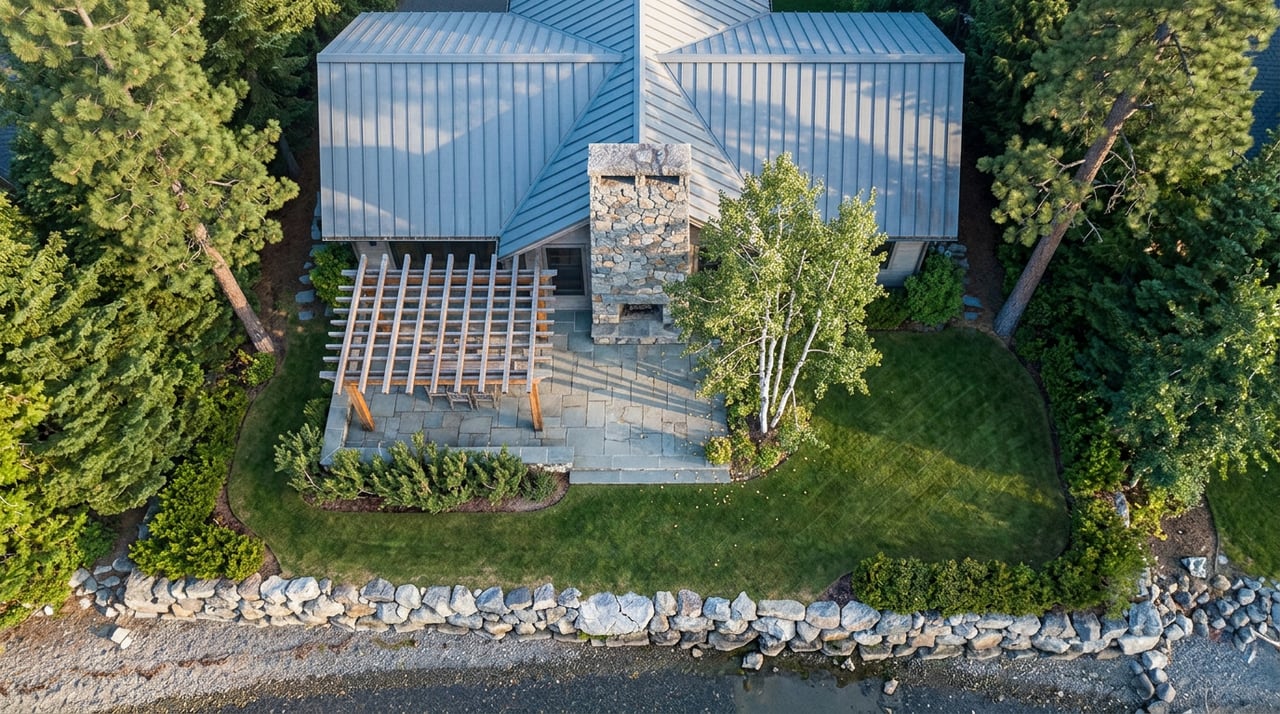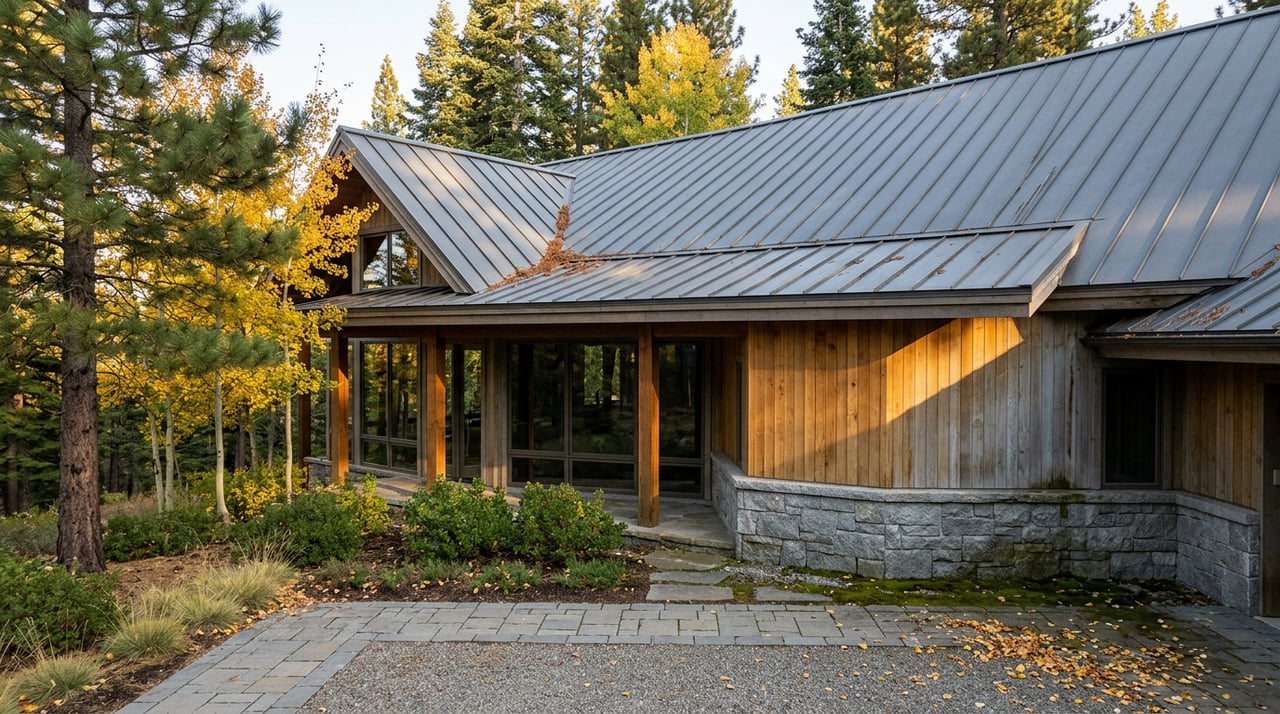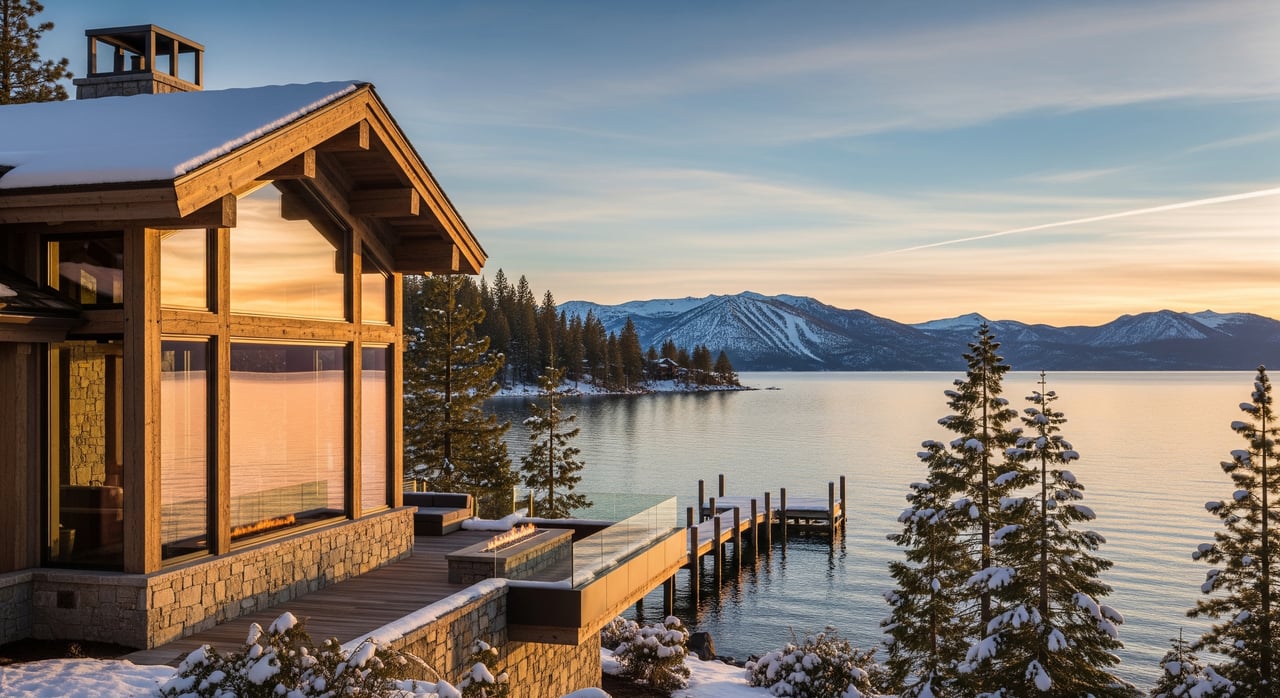
Torn between sunrise paddles on glassy water and first tracks on a storm day? Choosing between a Glenbrook lakefront and a Truckee ski-area home is exciting, but the trade-offs are real. You want a place that fits your lifestyle and financial goals without surprises. This guide breaks down seasonality, access, maintenance, rules, rental potential, and resale so you can make a confident decision. Let’s dive in.
Lakefront vs ski: quick look
A Glenbrook lakefront centers your life on the water. You trade immediate beach and boating access for a smaller set of comparable properties and more attention to shoreline permits. A Truckee-area ski home or resort neighborhood focuses on winter convenience and year-round mountain living with broader town services and a deeper buyer pool.
- Glenbrook lakefront: private or shared beach access, limited inventory, shoreline permits matter.
- Truckee ski neighborhoods: lift and trail proximity, strong winter use, variable HOA and rental rules by area.
How you will use it
Seasonality should drive your choice. Lakefront ownership in Glenbrook typically peaks in late spring and summer for boating, swimming, and lakeside entertaining. Shoulder seasons are pleasant, while winter use is often lighter unless you love the quiet lakeside scene.
Ski-area homes in Truckee shine in winter with prime access to lifts and groomed trails. Many owners also enjoy strong shoulder seasons for hiking, biking, and summer recreation. If you want balanced year-round use with town amenities, ski neighborhoods often deliver.
Access and services
Lakefront homes sit at lower elevations, which can ease winter access, although shoreline roads can be tight during storms. Steep private driveways still require attention. You may also drive farther for grocery, medical, and airport services from a lakeside enclave.
Truckee neighborhoods face frequent snow and require winter-ready vehicles and a plan for plowing. Many areas benefit from town-center infrastructure with shops, dining, and medical services close by. Confirm county or HOA plowing, as well as driveway clearing responsibilities.
Maintenance and costs
Lakefront ownership includes shoreline-specific care. Docks, piers, stairs, and shore protection require maintenance and may need permits under the Tahoe Regional Planning Agency and local agencies. Water exposure can accelerate wear, and landscaping is shaped by lakeside microclimates.
Ski homes require snow management. Budget for roof snow loads, ice mitigation, and regular driveway and deck clearing. Freeze and thaw cycles can affect plumbing and exterior materials. Both property types often carry higher maintenance than non-mountain, non-waterfront homes.
Insurance and hazards
Waterfront homes can face wind-driven storms, shoreline erosion, and localized flooding. Standard homeowners insurance typically excludes flood, so separate flood coverage may be required or recommended. Shoreline setbacks and permit rules can shape repair options after a storm.
Ski-area homes face heavy snow loads, ice dams, and potential avalanche exposure on steeper sites. Both regions have wildfire risk, so defensible-space work is essential. Obtain insurance quotes early, since underwriting can be stricter for waterfront and mountain properties.
Rules and permits
Shoreline structures in the Tahoe Basin are governed by TRPA and state agencies, with strict rules for docks, piers, and shore-zone work. Some older structures may be grandfathered but not easily replaced. Expect permitting to take time and planning.
Short-term rental rules vary by jurisdiction. Douglas County governs Glenbrook, while Truckee and surrounding California counties have their own registration, taxes, occupancy limits, parking, and in some cases caps or neighborhood exclusions. HOA covenants can set additional restrictions on rentals and exterior changes.
Resale and liquidity
Lakefront properties benefit from scarcity and long-term appeal to a dedicated buyer segment. Usable waterfront and properly permitted shoreline features often command pricing premiums. The buyer pool is narrower, and seasonality can influence demand.
Ski-area homes near resort bases or town centers often enjoy a broader buyer pool and stronger year-round interest. Liquidity can track resort visitation and neighborhood convenience. Areas with restrictive rules or challenging access can see a smaller audience.
Rental income basics
Lakefront rentals in Glenbrook typically peak from late spring through summer, when rates and occupancy are highest. Winter demand is generally lower unless the lakeside setting is a draw for guests year-round.
Ski-area rentals in Truckee peak in winter and see meaningful summer and shoulder-season demand. Revenue depends on nightly rates, occupancy, HOA and permit rules, and how you operate. Expect to register and remit transient occupancy taxes where required, and make sure your projections reflect seasonality and local policies.
Financing realities
Lenders view waterfront and mountain homes as specialized collateral. Appraisals rely on limited comparable sales, especially for true lakefront. Many purchases fall into jumbo loan territory, and investment loans often require larger down payments and higher rates than primary residences.
If rental income is part of your plan, confirm lender requirements for reserves, documentation, and coverage such as loss of rental income or higher liability limits. Work with lenders who understand waterfront and ski properties.
Buyer due diligence checklist
Use this list with your agent and professional team:
- Confirm property rights and access. Verify true upland waterfront versus shared beach access. Confirm dock or pier ownership and any shared agreements.
- Validate permits and compliance. Review TRPA and county permits for docks, seawalls, stairs, and shore-zone features. Identify any non-conforming or grandfathered structures.
- Check rental and HOA rules. Obtain HOA covenants. Confirm whether short-term rentals are allowed, occupancy limits, parking, fees, and registration requirements.
- Review hazards and insurance. Run FEMA flood map checks, wildfire risk assessments, and obtain homeowners and flood insurance quotes early. For ski homes, confirm snow-load design and roof condition.
- Confirm utilities and systems. Verify sewer versus septic, any required upgrades, potable water source, and winterization needs.
- Order specialized inspections. In addition to a general inspection, consider dock, pier, seawall, and shoreline structure evaluations. For ski homes, evaluate roof integrity and ice-damage history.
- Verify access and services. Confirm who plows roads and driveways, check cell and internet performance, and understand emergency response times.
- Get market comps and rental projections. Request lakefront and nearby non-lakefront comps and ski-area comps. Obtain realistic occupancy and rate estimates from local managers.
- Review title and easements. Identify shoreline easements, public access, and any encroachments.
- Test financing feasibility. Pre-qualify with lenders experienced in waterfront and ski properties and start appraisal planning early.
A simple decision path
- Define your core lifestyle goal. If your priority is boating, private beach time, and summer on the water, focus on Glenbrook lakefront. If skiing and winter resort life lead, center your search on Truckee.
- Match the home to your peak season. Use the home when it shines, and plan for shoulder-season use as a bonus.
- Compare total ownership costs. Line up maintenance, insurance, HOA or private-road fees, and special assessments for each option.
- Align rental expectations with rules. Confirm permits and realistic occupancy before factoring rental income into your plan.
- Choose your exit strategy. If near-term resale flexibility matters, larger buyer pools near resort hubs can help. If long-term scarcity appeals to you, lakefront may fit.
Which one fits you
Pick Glenbrook lakefront if you want daily beach time, a private or shared shoreline, and the long-term appeal of scarce waterfront. Accept careful permitting and a smaller buyer pool when you sell.
Pick a Truckee ski-area home if you want winter-first living with strong town access, broad buyer demand, and year-round recreation. Plan for robust snow management and HOA or municipal rules.
How we can help
You do not have to navigate this alone. With dual CA and NV expertise, local neighborhood insight, and a high-touch process, our team helps you compare properties, validate permits, model rental scenarios, and coordinate the right inspections and insurance quotes. If you want private or off-market options, curated outreach and Compass tools are part of our approach. When you are ready to narrow the shortlist, reach out to The Brassie Group. Let’s talk about your highest possible return.
FAQs
What makes Glenbrook lakefront unique compared to other Tahoe areas?
- Glenbrook offers direct lake access, private or shared shoreline rights, and limited true waterfront inventory, which can support long-term appeal but requires attention to shoreline permitting.
How do short-term rental rules differ between Glenbrook and Truckee?
- Glenbrook follows Douglas County regulations, while Truckee and nearby counties have their own permits, taxes, occupancy, parking, and sometimes caps or neighborhood exclusions.
What extra inspections should I order for a lakefront home?
- In addition to a standard home inspection, consider specialized evaluations for docks, piers, seawalls, and any shore-zone structures, plus permit and compliance reviews.
What winter costs should I expect with a Truckee ski home?
- Budget for roof snow loads, ice mitigation, and driveway and deck clearing. Confirm HOA or county plowing and plan for reliable winter vehicle access.
How do insurance considerations differ for lakefront and ski properties?
- Lakefront homes may need separate flood insurance and have shoreline exposure, while ski homes face heavy snow and potential avalanche risks; both areas require wildfire preparedness and early insurer quotes.