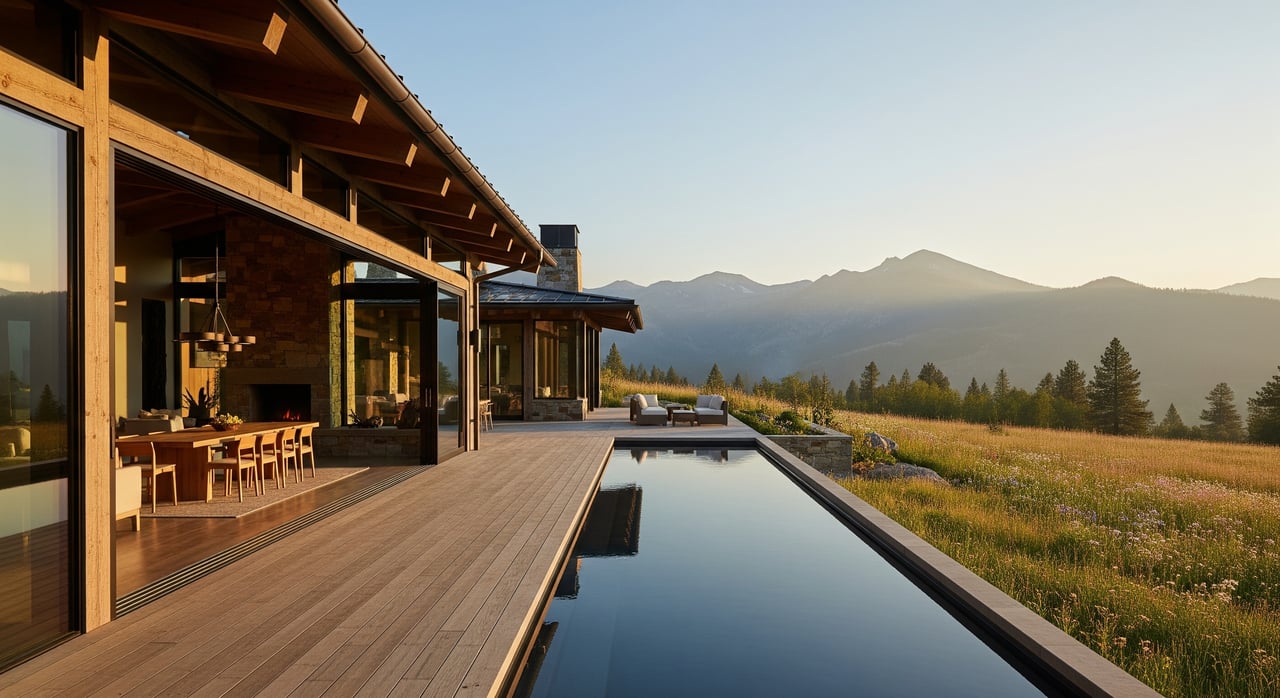
Are you trying to make sense of Martis Valley’s market rhythm before you buy or sell? You’re not alone. This is a resort-driven area where seasonality, luxury inventory, and buyer profiles can shift quickly. In the next few minutes, you’ll learn how inventory typically moves, what list-to-sale dynamics look like across price bands, and how timing can influence your outcome. Let’s dive in.
Martis Valley at a glance
Martis Valley sits within the greater Truckee and North Lake Tahoe market. You see a blend of high-amenity, luxury neighborhoods alongside year-round residential areas. Buyer profiles range from local full-time residents to second-home owners and out-of-area cash buyers.
Seasonality is a defining feature. Ski season and summer recreation drive showing activity and urgency. Mortgage rate changes, short-term rental rules, and insurance considerations can also shift who buys and how they negotiate. If you plan ahead, you can use these cycles to your advantage.
Inventory patterns to watch
Inventory in Martis Valley segments into a few key property types. Each behaves differently and can shape your timing and pricing strategy.
Single-family homes
Most inventory is single-family. You’ll find mountain and lodge styles on larger lots, with both primary and second-home usage. New listings often cluster before ski season and before summer, when owners aim to capture peak buyer traffic.
What to track:
- New listings per month and how they compare to closed sales.
- Active listings and months of inventory to gauge market balance.
- Price reductions as a sign of initial overpricing or softening demand.
Luxury and gated communities
Communities such as Martis Camp represent the luxury segment with higher price points and curated amenities. Turnover is low and supply can be influenced by developer lot or home releases.
What to track:
- Lot releases or new-build phases, which can temporarily add supply.
- Absorption rates by price band, since upper tiers often move on different timelines.
- Marketing windows around peak seasons to maximize visibility.
Vacant land and build opportunities
Land behaves differently from built homes. Marketing times are longer, and buyers often negotiate more on price and terms. Permit activity and build costs play a major role in how many buyers pursue a ground-up plan.
What to track:
- Ratio of land to built-home listings.
- County permit trends for single-family construction.
- Carry costs and timelines that impact buyer appetite.
Condominiums and townhomes
This slice is smaller but important for more accessible price points near recreation. Liquidity here can differ from detached homes, especially when buyers want a low-maintenance base for ski and summer use.
What to track:
- Sale-to-list price ratios relative to single-family homes.
- Days on market compared to larger homes and land.
- HOA rules around rentals, pets, and amenities that affect appeal.
List-to-sale dynamics in a resort market
Negotiation patterns in Martis Valley follow the calendar. Understanding the cadence helps you price, write offers, and set expectations.
Seasonal rhythms
- Pre-winter and early winter often see higher urgency. Buyers aiming to be in place for ski season tend to compete more, and sale-to-list ratios can tighten.
- Summer also draws strong activity. Recreation access and easier touring can drive more showings and quicker decisions.
- Shoulder seasons are usually quieter. Spring mud and late fall can bring longer days on market, more price adjustments, and additional room for concessions.
Buyer expectations
- Cash is common in luxury tiers, which can shorten timelines and reduce dependence on financing contingencies.
- Financed buyers should budget time for appraisal and underwriting, especially for high-balance loans and second-home criteria.
- For land, expect broader negotiation on price and due diligence periods given permitting and construction uncertainties.
Seller strategies
- Align listing dates with peak touring windows for your segment. Winter for ski-adjacent homes and summer for lifestyle properties can work well.
- Price with the data. Monitor sale-to-list ratios and DOM for your price band and property type to avoid chasing the market.
- Presentation matters. Staging, photography, and clear disclosures remove friction and keep your days on market down.
Price-band liquidity: how fast does it move?
All price bands do not behave the same. Watch how months of inventory, days on market, and price reductions vary by segment.
Under $1M
If present in your submarket, this band often sees the broadest buyer pool and quicker turns. Expect more competition for well-located, well-presented homes, especially near recreation or services.
How to play it:
- Buyers: Prepare for quicker decisions and clean terms on top options.
- Sellers: Accurate pricing and polished presentation can produce multiple offers.
$1M to $2M
A key range for both full-time residents and entry luxury second homes. Liquidity is usually strong, but results lean on amenities and condition.
How to play it:
- Buyers: Use shoulder seasons for negotiation room if timing is flexible.
- Sellers: Calibrate price to recent comps and watch for signs of buyer pushback like early price reduction pressure.
$2M to $4M
This is the core luxury second-home space. Fewer buyers mean more variation by neighborhood, view, and proximity to ski and club amenities.
How to play it:
- Buyers: Truly exceptional properties can still move fast. Have proof of funds or pre-approval ready.
- Sellers: Market the lifestyle, not just the specs. Story-driven marketing is essential.
$4M+
Ultra-luxury has the lowest turnover and a highly discerning buyer pool. Timing, privacy, and presentation drive results more than broad market trends.
How to play it:
- Buyers: Plan for selective inventory. Off-market opportunities can be key.
- Sellers: Strategic release windows and elevated marketing are critical. Expect longer timelines unless the property is turnkey and rare.
Demand drivers and friction points
Understanding what pulls buyers in, and what slows them down, helps you forecast interest for your property or target search.
What fuels demand
- Recreation access. Proximity to Northstar, trails, and lake amenities remains a consistent draw. Gated communities with golf and club amenities can command a premium.
- Remote and hybrid work. Flexible schedules make second homes and longer stays more practical.
- Lifestyle and legacy. Many buyers prioritize family-friendly recreation and a long-term base in the Sierra.
What can slow demand
- Mortgage rate environment. Higher rates reduce financed purchasing power, which can lengthen time to sell outside cash-heavy tiers.
- Insurance and wildfire risk. Availability and premiums affect affordability and due diligence. Buyers often evaluate quotes and mitigation steps before committing.
- Short-term rental rules. Local permitting and enforcement shape investor demand and may make certain property types more attractive.
- Site-specific factors. Water, septic versus sewer, and environmental requirements can add complexity, particularly for land and unique parcels.
Timing your move
A smart timeline can improve your odds of a clean outcome.
For sellers:
- Target your audience. List before ski season if your home shines in winter or near Northstar. If your property lives best in warm weather, position ahead of summer.
- Prep to perfection. Minor upgrades, staging, and professional media tighten days on market and support stronger terms.
- Monitor signals. If showings are light in a peak window, the market may be sending a pricing or presentation message.
For buyers:
- Define must-haves early. Amenity preferences and HOA rules can narrow your field fast.
- Use quieter seasons. If you are not in a rush, shoulder periods can create opportunities for negotiation.
- Be offer ready. Proof of funds, aligned inspection timelines, and clarity on insurance will make your offer more attractive.
How The Brassie Group helps you win
You deserve a calm, strategic process with concierge-level support. The Brassie Group pairs boutique, founder-led guidance with Compass-scale marketing to help you buy or sell with confidence.
What you can expect:
- Local, neighborhood-level expertise across the Lake Tahoe and Truckee corridors, including Martis Valley.
- Premium presentation. Professional staging, photography, video, and narrative-rich listing materials that position your home as a lifestyle investment.
- Compass Concierge access. Eligible pre-listing improvements can be fronted to elevate your property and potentially drive a higher sale price.
- Curated exposure. Targeted distribution, including discreet off-market outreach when privacy matters.
- Clear process management. From pricing and timing to negotiation and closing, you get a data-informed plan and steady communication.
Ready to align timing, price, and presentation with your goals? Connect with The Brassie Group to map your next best step.
FAQs
Is now a good time to sell in Martis Valley?
- It depends on your price band and timing, but sellers often see stronger list-to-sale results in pre-winter and summer when buyer urgency and showings increase.
Which Martis Valley neighborhoods sell fastest right now?
- Liquidity varies by proximity to amenities, property condition, and price band, so compare days on market and sale-to-list ratios for your specific community and tier.
How do cash offers affect negotiations in Martis Valley?
- Cash can shorten timelines and reduce financing-related contingencies, which may help a buyer win in competitive windows and give sellers more certainty.
Do short-term rental rules impact value and demand?
- Yes, local permitting and enforcement shape investor interest, so verify current rules for your property type before setting pricing or writing offers.
What should I know about wildfire insurance and closing timelines?
- Insurance availability and premiums influence affordability and deal certainty, so obtain quotes early and factor mitigation steps into your diligence and schedule.