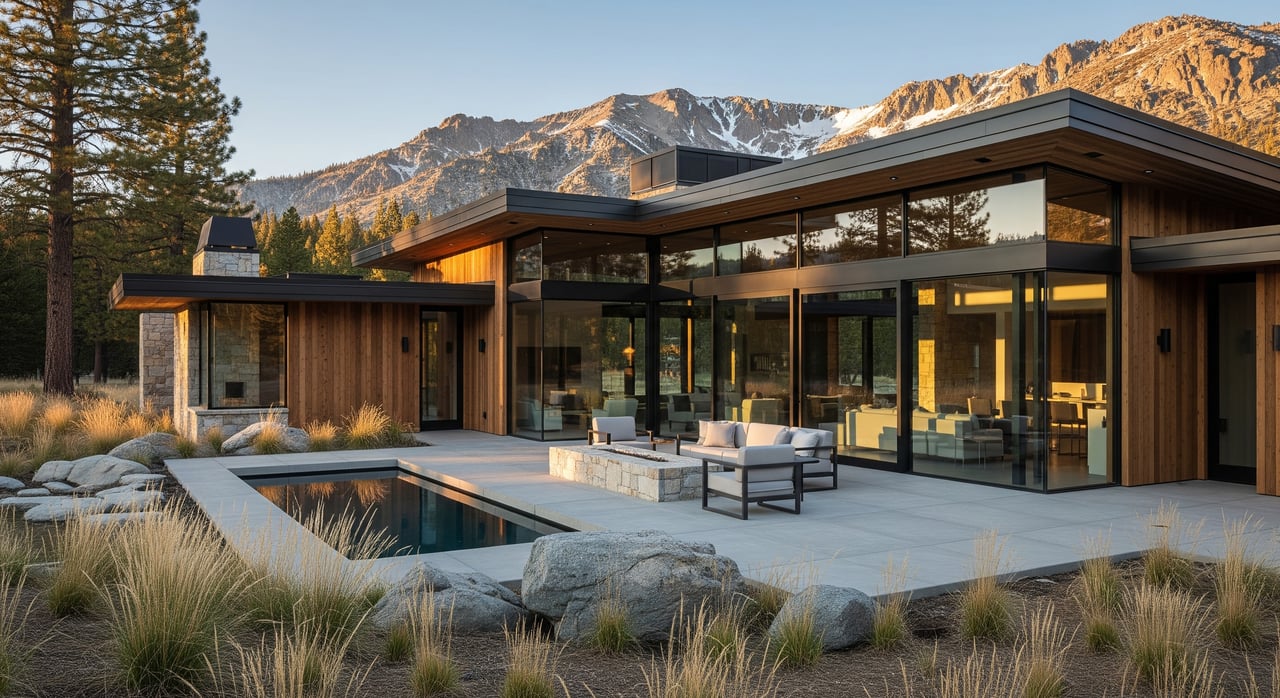
Glass, timber, stone, and steel against a Sierra sky. If you are drawn to that look, you are not alone. Mountain-modern homes in Martis Valley blend clean lines with warm materials and high-performance systems built for real winters. In this guide, you will learn what defines the style here, which features matter most for comfort and resale, and how to evaluate or position a property with confidence. Let’s dive in.
What mountain-modern means here
Martis Valley sits high in the Sierra Nevada near Truckee and Northstar. Winters are cold and snowy, with strong sun angles and short growing seasons. Homes here need smart orientation, serious insulation, and roof designs that handle snow loads and shedding.
Local communities often have design review, CC&Rs, and guidelines that favor natural materials and low silhouettes that blend into the landscape. California’s energy code sets high efficiency standards, and most new single-family homes built since 2020 require rooftop solar. Wildfire safety and defensible space are also a priority for materials and site planning.
Form and massing
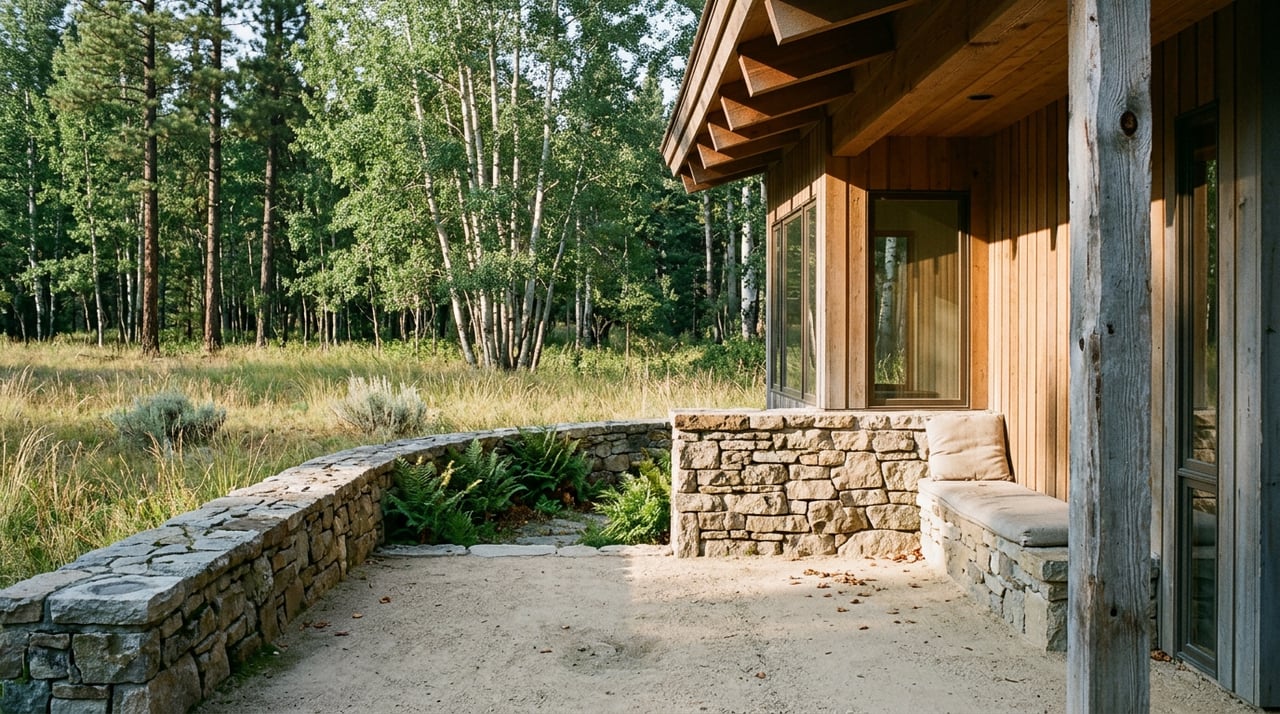
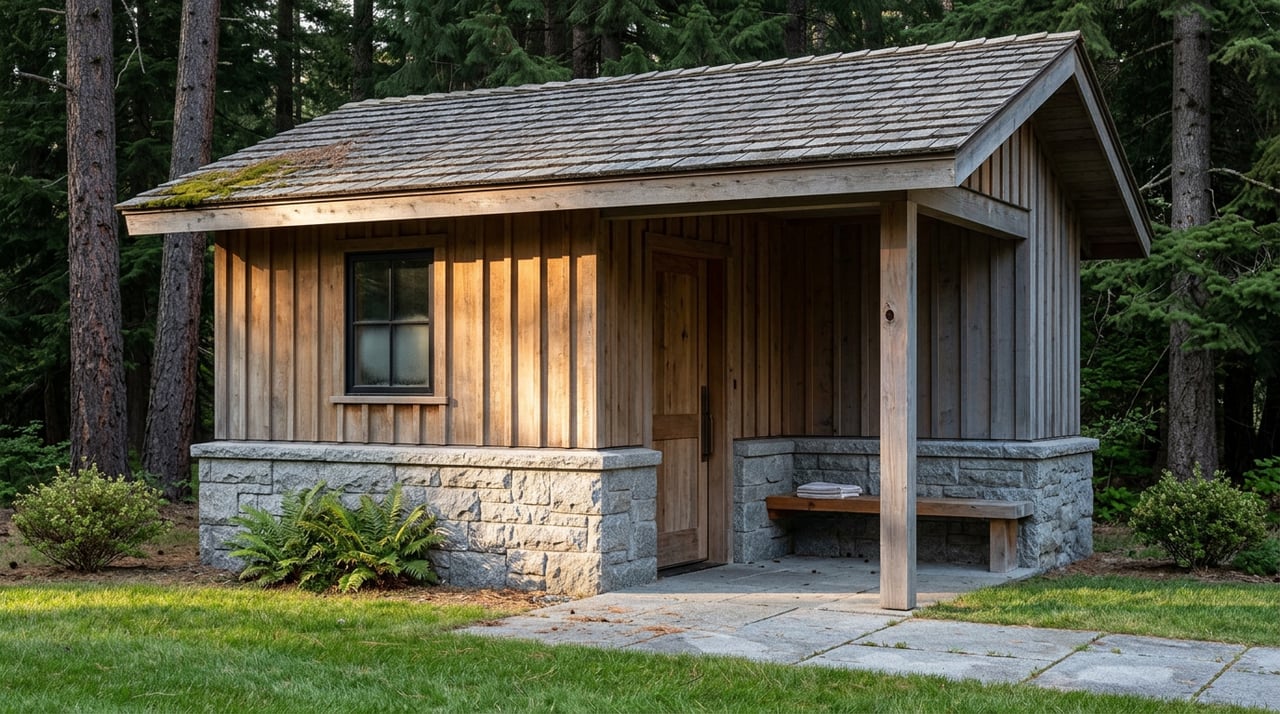
Mountain-modern here leans into clean, rectilinear volumes that sit low on the site. You often see simple gables or low-pitched roofs that help shed snow without adding height. Deep overhangs create shade, protect entries, and control snow and ice at the eaves.
Materials that last
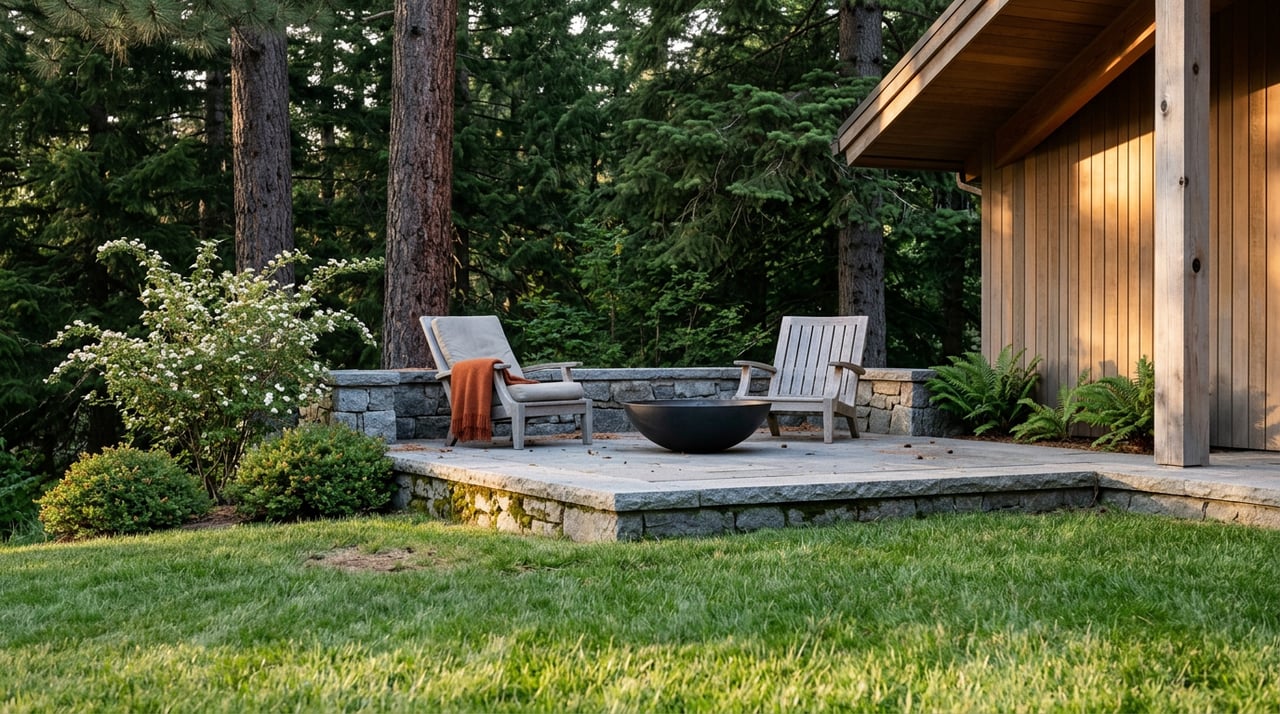
Natural stone at foundations or chimneys grounds the home. Reclaimed or exposed wood adds warmth and texture. Dark metal or black steel window frames create crisp lines. Many owners choose cementitious siding, engineered wood, or metal cladding for lower maintenance and better fire resistance in a wildfire-prone region.
Window walls with performance
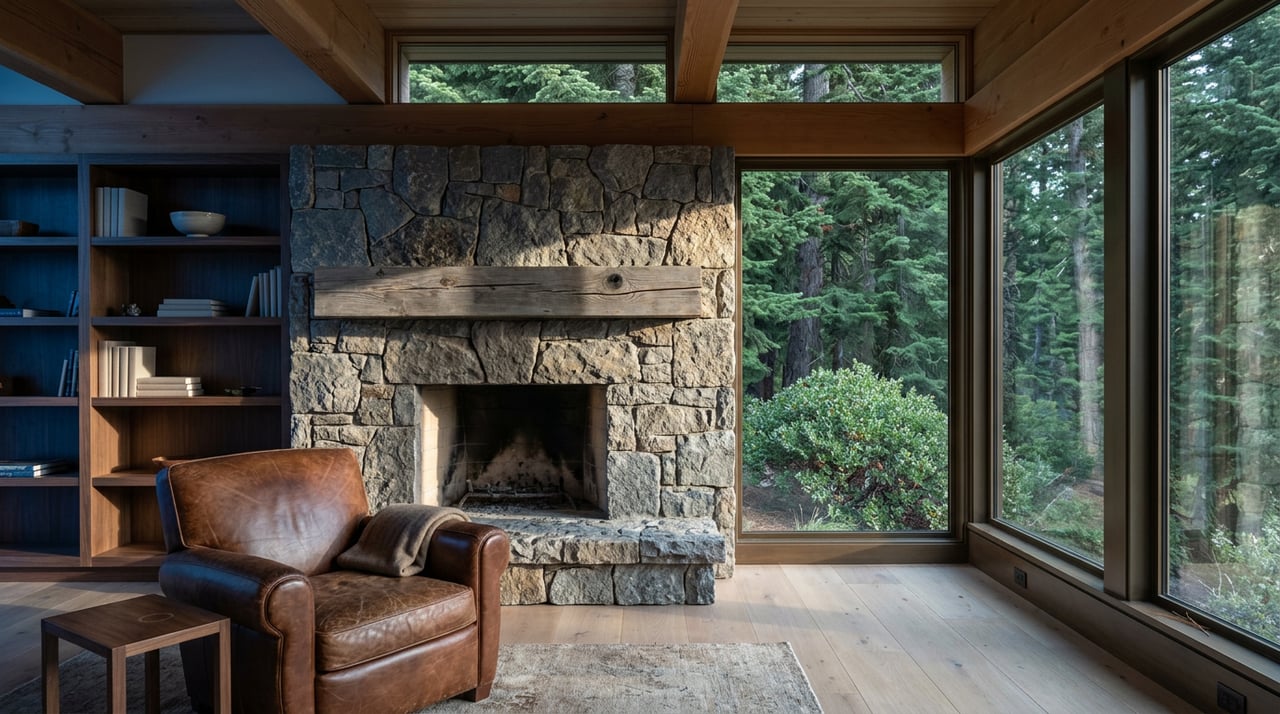
Large window walls are a signature feature that frame views and bring in light. To keep interiors comfortable, high-performance glazing with low-E coatings and thermally broken frames help reduce heat loss. Orientation matters. Bigger openings usually face preferred views and sun, while colder exposures get smaller or better-insulated windows. Deep overhangs and operable shading help manage heat gain in summer.
Indoor–outdoor living that works
You want spaces that live well from spring to fall and still function during snow season. Oversized sliding or folding doors blur the line between inside and outside. Covered patios, cantilevered decks, and outdoor fireplaces extend use into the shoulder seasons. Durable exterior flooring, graded thresholds that shed snow, and designed snow storage areas keep things practical. Native, low-water plantings integrate with the site and are easier to maintain.
Interior layout for mountain life
Open plans with vaulted or double-height great rooms are common, often anchored by a fireplace. Natural materials like wide-plank wood and exposed beams pair with simple, modern finishes and matte hardware. Practical spaces matter. Mudrooms, boot rooms, and separate laundry or gear storage make everyday life smoother after a day on the mountain.
Comfort and efficiency systems
The look draws you in, but the systems make the home a joy to live in. In Martis Valley, performance is not optional. It is essential.
Envelope and insulation
High R-value wall and roof assemblies, continuous exterior insulation, and airtight construction help keep heat inside. Careful detailing limits thermal bridging, and many high-performance homes use blower-door testing to confirm airtightness. Foundation insulation at slab edges or raised floors reduces cold spots and improves comfort.
Heat, cool, and fresh air
Cold-climate air-source heat pumps are increasingly popular because they perform well at low temperatures. Many homes pair them with hydronic in-floor radiant heat for even, comfortable warmth. Balanced ventilation with HRV or ERV provides fresh air while recovering heat, which is important in airtight homes. Heat pump water heaters cut operating costs. Some owners add backup heat, such as a gas fireplace or wood stove, for redundancy during extreme cold or outages.
Solar and storage
Rooftop solar is required on most new single-family homes in California, and many mountain homes add battery storage for resilience during winter outages. Roof pitch, orientation, and snow shedding strategy all affect solar performance and maintenance plans.
Snow, water, and fire readiness
Roof design and drainage planning help reduce icicles and ice dams. Heated roof edges or gutters are sometimes used at entries or sensitive eaves. Metal roofs are common for durability and snow shedding. Site drainage and erosion control protect foundations during rapid snowmelt. Fire-hardening with non-combustible cladding, ember-resistant vents, and cleared defensible space improves safety and insurability. Sellers should be ready to document wildfire mitigation and maintenance.
What drives value in Martis Valley
Buyers in Tahoe and Martis Valley want the lifestyle and the ease. Views, access to recreation, indoor-outdoor flow, and low-maintenance materials top most lists. Energy efficiency and durable systems are increasingly important for both full-time residents and second-home owners who are away for stretches.
Features that command a premium
- Window walls that frame true view corridors
- Durable, low-maintenance exteriors and metal roofs
- Modern kitchens and baths with natural material accents
- Energy upgrades like solar, battery storage, and heat pumps
- Well-designed mudrooms, gear storage, and heated entries
Tradeoffs to weigh
Expansive glazing creates drama but can raise heating loads if the envelope and glazing are not high performance. Open plans are beautiful, yet furniture layout and privacy need thought. Exposed timber looks great but requires maintenance unless you choose engineered or treated alternatives. Quality materials and detailing separate true luxury from a surface-level look.
Buyer checklist for mountain-modern
Use this quick list to focus your due diligence:
- Orientation and views: Do the window walls capture year-round vistas, not just winter views?
- Roof and snow management: What is the snow load design? Is there a snow plan for the driveway and entries? Are critical walkways or steps heated?
- Utilities and site: Sewer or septic? Well status and water quality? Any road maintenance or winter access agreements?
- Mechanical systems: Type and age of HVAC, presence of HRV or ERV, and any recent HERS or blower-door test results.
- Energy and solar: Solar PV system size, age, warranties, and any battery storage.
- Wildfire readiness: Exterior materials, ember-resistant vents, defensible space maintenance, and current insurance availability and premiums.
- Community rules: CC&Rs or design review guidelines that may affect future changes.
Seller playbook to maximize appeal
Show buyers how your home performs, not just how it looks. Highlight the features that matter in this climate.
- Orientation and glazing: Call out view exposures, glazing type, frame materials, and shading solutions.
- Indoor-outdoor access: Note specific decks, covered patios, and outdoor gathering spaces.
- Energy and resilience: Feature solar, battery storage, heat pumps, in-floor radiant heat, and airtight envelope measures; provide documentation such as HERS scores, permits, and warranties.
- Practical mountain features: Mudroom and gear storage, heated entries, metal roofs, and durable cladding.
- Maintenance history: Timber sealing, exterior resealing or repainting, roof work, drainage improvements.
- Pre-listing improvements: Consider targeted updates and staging supported by Compass Concierge to elevate presentation and drive stronger offers.
Smart certifications to use correctly
Only advertise certifications when you have documentation. Common items include ENERGY STAR appliances, HERS index scores for efficiency, and high-performance standards like Passive House or CALGreen compliance. For solar, list the system size in kW, installation year, interconnection status, and any lease or ownership details.
Local rules and review
Plan early for design review and permitting in Placer County and within Martis Valley communities. California’s energy standards govern insulation, windows, and mechanical systems, and most new single-family homes since 2020 require rooftop solar. Wildfire mitigation and defensible space rules influence exterior materials and landscaping. Verify current requirements with the appropriate building department and your HOA before you design, renovate, or list.
Next steps
If you are buying, align the style you love with the systems that fit your lifestyle and operating costs. If you are selling, lead with performance, views, and low-maintenance design, and have your documents ready. Our team combines neighborhood-level expertise across Tahoe and Truckee with premium marketing and curated outreach to position your home as a lifestyle investment.
If you want a clear plan tailored to your goals in Martis Valley, connect with The Brassie Group. Let’s talk about your highest possible return.
FAQs
What defines mountain-modern in Martis Valley?
- Clean, low profiles, natural materials, large window walls, and high-performance systems built for snow, sun, and wildfire considerations.
Are big window walls energy efficient?
- Yes, when paired with high-performance glazing, thermally broken frames, tight air sealing, and shading that manages winter gain and summer heat.
How do heat pumps perform in cold winters?
- Modern cold-climate heat pumps are designed for low temperatures and can be paired with radiant heat or backup sources for comfort and redundancy.
What roof features matter most for snow?
- Proper structural design for snow loads, roof slopes that shed snow, deep overhangs, and heated edges or gutters at critical entries help manage ice.
Which exterior materials are best for durability?
- Metal roofs, cementitious or metal cladding, natural stone bases, and ember-resistant vents and details perform well in freeze-thaw and wildfire conditions.
Do most new homes require solar in California?
- Most new single-family homes permitted since 2020 require rooftop solar under state energy code, and many owners add battery storage for resilience.
What should buyers check on utilities?
- Confirm sewer or septic status, well performance and water quality if applicable, and any road maintenance or winter access agreements.
How can sellers showcase energy performance?
- Provide HERS scores, glazing specs, HVAC details, solar and battery documentation, permits, and maintenance records to build buyer confidence.