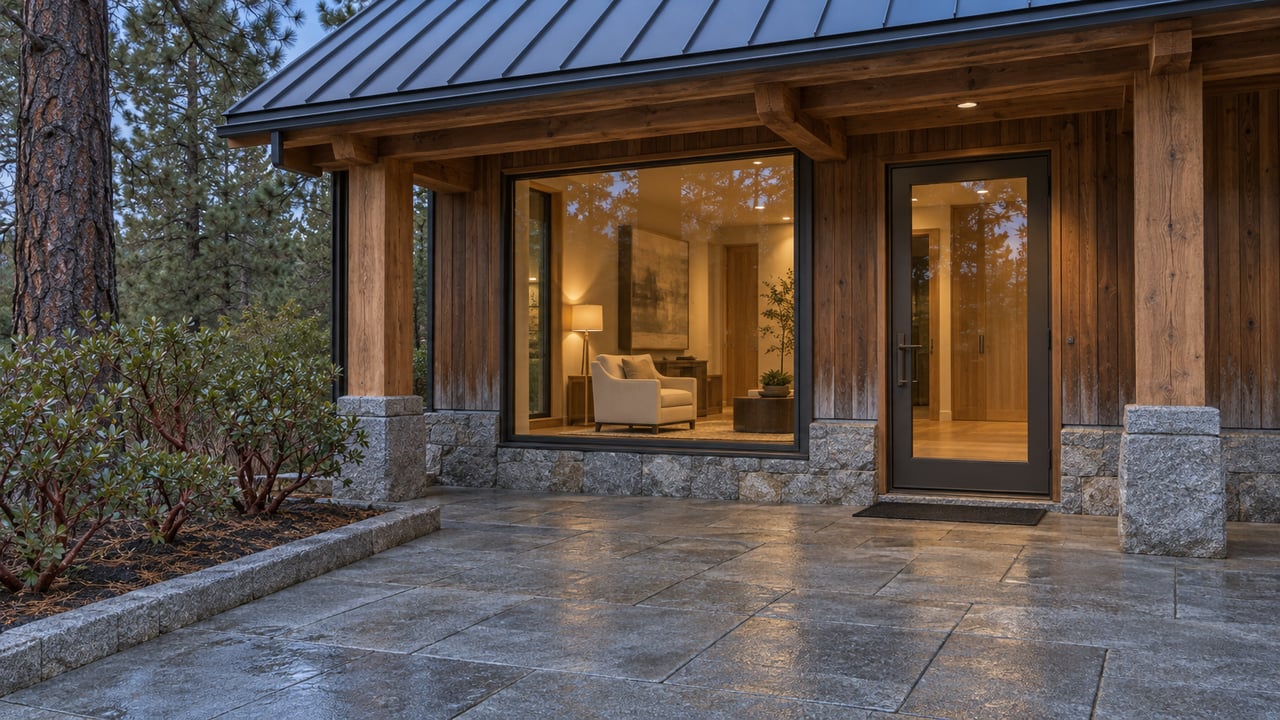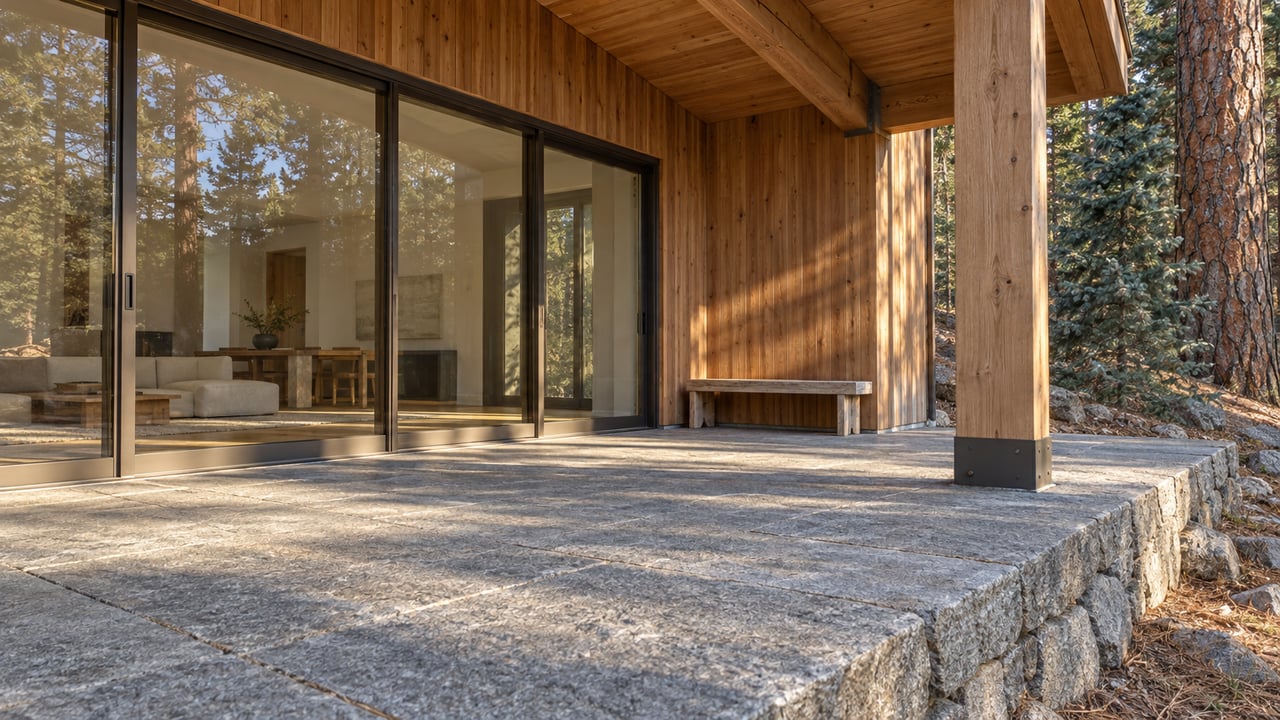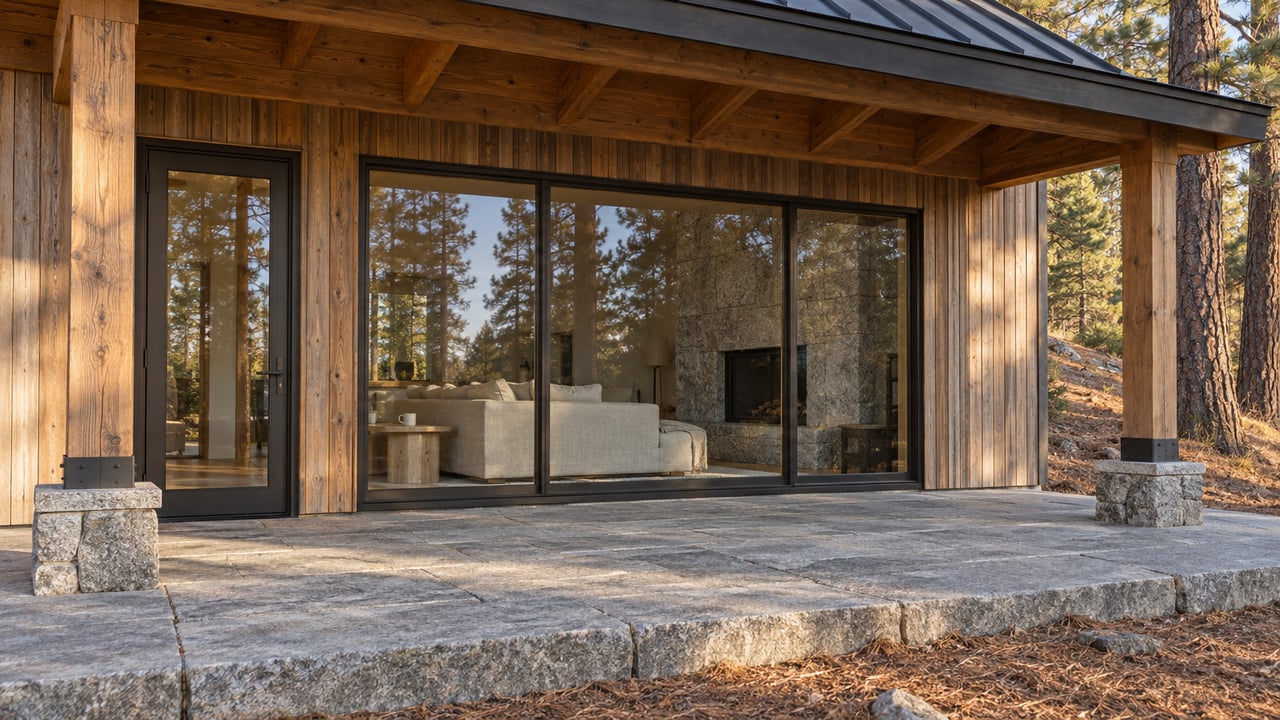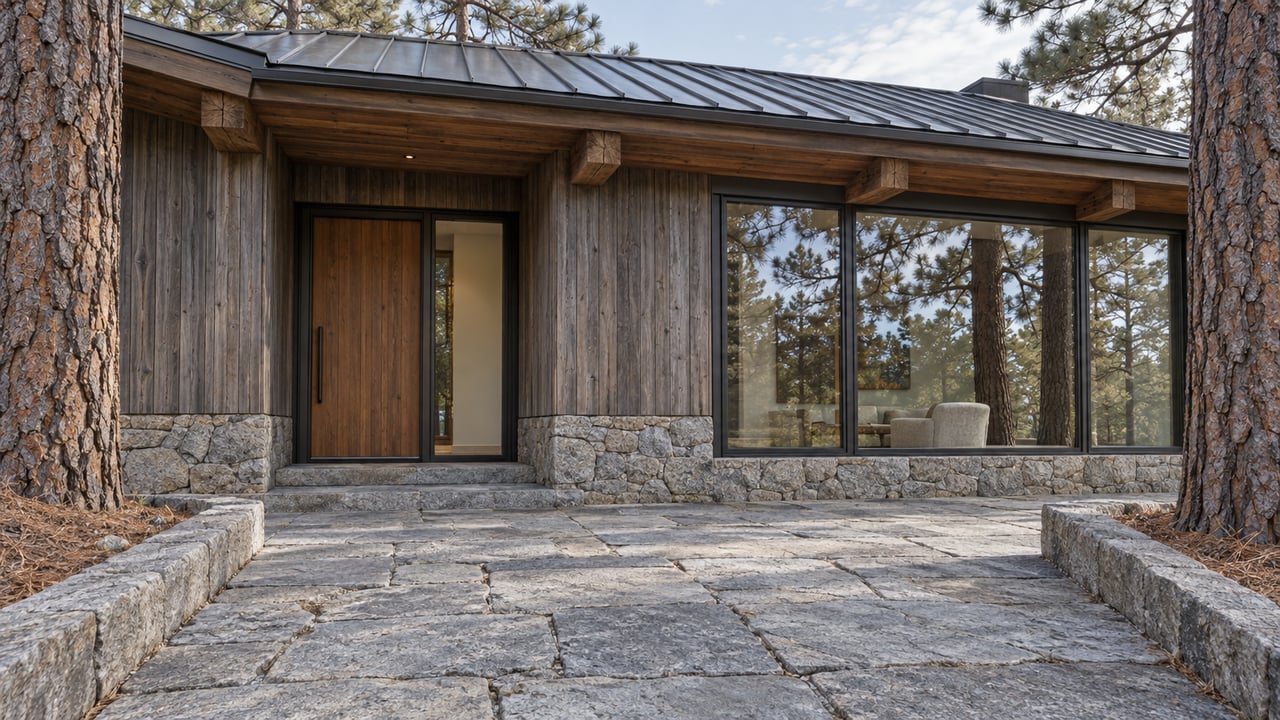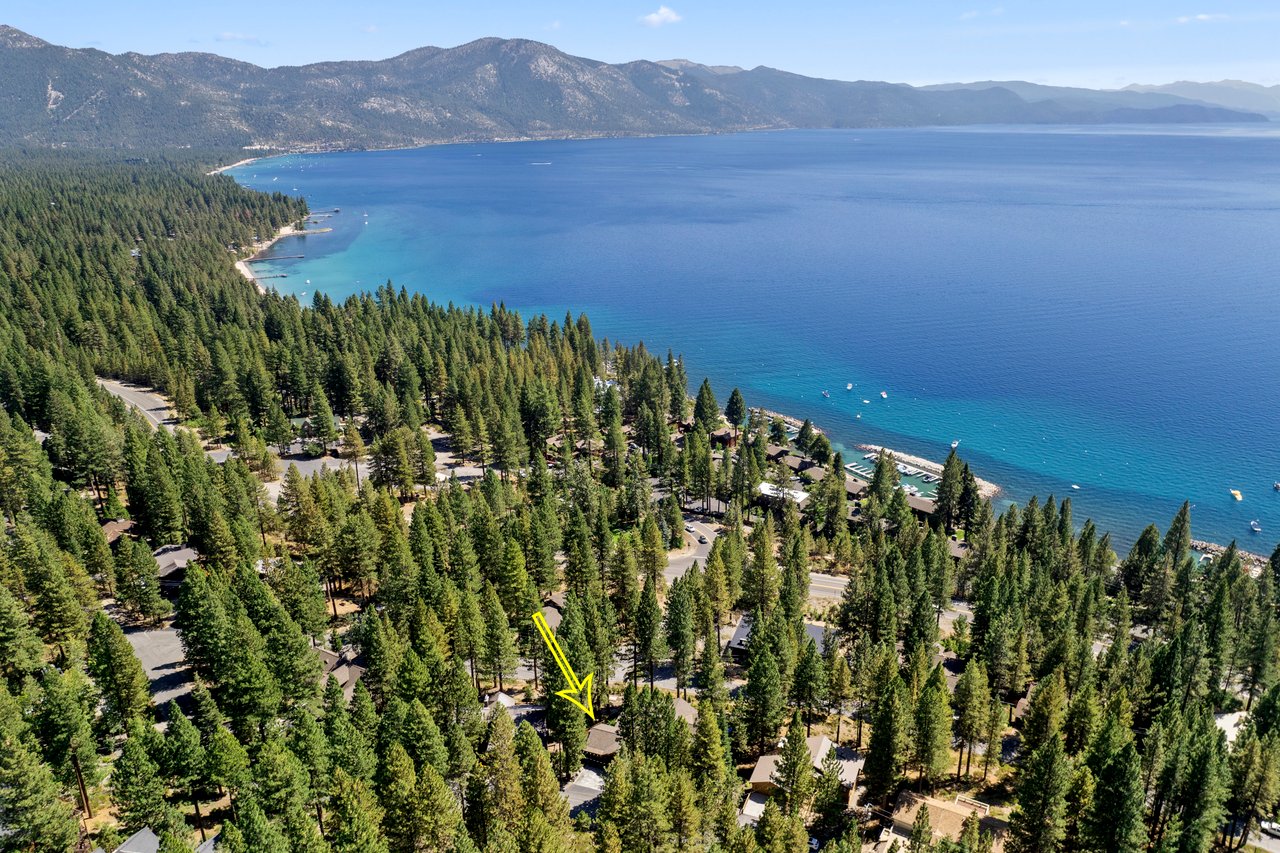
If you own a Tahoe City lakefront or West Shore home, pricing it is not as simple as pulling a few Tahoe sales and picking a number. This stretch of Lake Tahoe is highly segmented, and buyers at the upper end notice every difference, from shoreline utility to privacy to future building potential. When you understand what truly drives value here, you can price with more confidence and avoid leaving money on the table. Let’s dive in.
Tahoe City and West Shore Price Differently
Tahoe City, the Greater Tahoe City area, and the West Shore should not be treated as one pricing bucket. Placer County planning work separates the West Shore Plan Area from the Greater Tahoe City Plan Area, which reflects a real difference in how these homes live and trade.
In Tahoe City, proximity to Commons Beach, the Tahoe City Transit Center, and the town core can add value through walkability, transit access, and easier public lake access. On the West Shore, especially in more secluded shoreline pockets, buyers often pay for privacy, exclusivity, and a different relationship to the water.
Rubicon Bay is a good example of why micro-location matters. TRPA’s SR-89 corridor planning identifies it as Tahoe’s “Gold Coast” and notes that it is the longest contiguous privately owned residential lakefront segment in the corridor, with no public beach access in that stretch. That kind of shoreline scarcity can change a pricing strategy dramatically.
Start With the Right Property Class
Before you look at price per square foot, you need to define the home’s actual class. In this market, a true lakefront home should not be priced like a lakeview or near-lake property, even if the finishes are similar.
A smart pricing process starts by separating homes into categories such as:
- True lakefront
- Split-lake
- Lakeview
- Near-lake
From there, you narrow the comp set further based on the shoreline rights, access profile, and privacy level. Broad Tahoe averages are simply too blunt for this part of the market.
Shoreline Utility Drives Premiums
For Tahoe City lakefront and West Shore homes, one of the biggest value drivers is shoreline utility. Buyers are not just paying for a line on a map. They are paying for how the shoreline actually functions.
That includes factors like usable frontage, beach quality, water depth, and access to the lake. A home with a shoreline that is easy to enjoy for boating, swimming, or simply spending time by the water will often command a stronger price than one with less functional frontage.
Permitted access features matter even more because they are limited. TRPA’s Shoreline Plan authorizes a capped number of new private piers and private moorings, with allocations and lotteries governing how those rights are granted. That means an existing permitted pier, buoy, slip, or mooring is not just a nice amenity. It is a scarce asset.
Lake Level Matters More Than Many Sellers Realize
In Tahoe City, the Lake Tahoe Dam controls the top 6.1 feet of Lake Tahoe. For lakefront owners, that means the visual and practical relationship between the home and the water can change over time.
This has real pricing implications. Shoreline exposure, beach usability, and how the property presents when lake levels shift all affect how buyers perceive value. A home that still offers strong water access and attractive shoreline use across varying conditions may deserve a different pricing strategy than one that becomes less functional as water levels change.
Private Access Carries Weight
Lake Tahoe’s shoreline has long been shaped by limited public access. The California Tahoe Conservancy reports that in 1971, only 13.5 of the lake’s 72 shoreline miles were public, compared with 34 miles today.
That context helps explain why direct waterfront ownership and private lake access still carry such a strong premium. Even with expanded public access, private shoreline rights remain limited, and buyers understand that scarcity.
Views and Privacy Shape Buyer Perception
In this market, views are not just emotional. They are part of the asset. Buyers often pay a premium for protected lake views, visual privacy, and a setting that feels calm and removed.
TRPA scenic standards can also affect certain shoreline and roadway corridor properties that are visible from scenic resource areas. On those parcels, tree canopy, sightlines, and building envelope considerations may influence what can be preserved or changed over time.
For pricing, that means you should look beyond what the home shows today. You also need to consider whether the parcel supports the long-term protection of its view experience and whether nearby conditions could affect future enjoyment.
Development Rights Can Add Hidden Value
Some of the most important pricing questions are not visible in listing photos. They are tied to what the parcel can still legally become.
TRPA explains that development rights are required land use units, and land coverage is a central part of the basin’s development framework. On the California side, the Tahoe Conservancy notes that coverage and development rights are limited-supply items and can take weeks to transact.
That can make a property more valuable than it first appears. A home with remaining coverage, usable development rights, or room for a permitted expansion may deserve a stronger pricing position than a similar home that is already maxed out.
Architecture Is Part of the Comp
At the high end, buyers do not evaluate homes by size alone. Design pedigree, craftsmanship, and overall lifestyle presentation can push value well beyond standard metrics.
A recent example is the 2025 sale of 2020 West Lake Boulevard, which sold for $27.5 million. The property combined Old Tahoe-style design inspiration, 130 feet of lake frontage, a private deep-water pier, and two buoys. That sale shows how architecture and shoreline function together can support a standout result.
The lesson is important. Exceptional sales should be treated as benchmarks for a specific asset class, not as proof that every lake-adjacent or even every lakefront home belongs in that price range.
Market Data Supports a Narrow Comp Strategy
Official Tahoe Sierra MLS data shows how segmented the West Shore market really is. In 2025, the area recorded 132 single-family sales and 10 condo sales.
In the first quarter of 2026, the West Shore had 21 single-family sales, with a median price of $900,000, an average price of $2.33 million, and average days on market of 106. That wide gap between the median and the average tells you something important: a relatively small number of high-value sales can heavily skew the headlines.
If you use broad averages to price a premium home, you risk missing the mark. If you use an elite trophy sale to justify an ordinary property, you risk overpricing and losing momentum.
Timing and Regulations Affect Price Strategy
In the Tahoe Basin, value is closely tied to timing and feasibility. Lahontan identifies Lake Tahoe as an Outstanding National Resource Water, and the basin’s steep slopes, erodible soils, and sensitive nearshore environment often add layers of review for shorezone work, drainage, landscaping, and renovation logistics.
That matters because buyers often price in friction. If a property has a straightforward ownership profile and fewer obvious hurdles, it may feel more attractive than a similar home with unresolved questions around approvals or site work.
On the West Shore, long-term resilience is also part of the conversation. The California Tahoe Conservancy’s Lake Tahoe West partnership focuses on drought, climate change, and extreme fire across 60,000 acres of the west shore. Site condition, defensible space, and landscape quality can influence how buyers think about both enjoyment and stewardship.
A Better Pricing Framework for Sellers
If you are preparing to sell a Tahoe City lakefront or West Shore home, a better pricing strategy usually follows this order:
- Define the exact class of property, such as true lakefront, split-lake, lakeview, or near-lake.
- Evaluate shoreline function including frontage, beach usability, depth, and private access rights.
- Confirm permitted assets such as piers, buoys, slips, or moorings.
- Review development potential including coverage and development rights.
- Assess view protection and privacy as part of the long-term ownership story.
- Position the architecture and presentation based on whether the home reads as a legacy estate, a design-forward custom home, or a more standard remodel.
- Compare only to the correct micro-tier rather than relying on broad area averages.
This approach is especially important in a market where two homes on the same side of the highway can perform very differently based on access, rights, setting, and future potential.
Why Presentation Still Matters
Even in a highly analytical luxury market, presentation shapes pricing power. Once the fundamentals are clear, the way your home is prepared and introduced to the market can influence whether buyers see it as interchangeable or truly scarce.
For homes in Tahoe City and on the West Shore, that often means telling the full story of the asset. Buyers need to understand not only the home’s finishes and layout, but also its shoreline utility, privacy, access, and long-term upside.
That is where thoughtful staging, photography, video, and strategic pre-listing improvements can help support the right price. In a nuanced market, strong presentation does not replace fundamentals, but it can make those fundamentals more visible and compelling.
If you are thinking about selling, the goal is not to chase the highest headline number. It is to position your home in the right asset class, support the price with the right facts, and bring it to market in a way that reflects its full value.
For a tailored pricing strategy and a polished, high-touch plan to bring your Tahoe property to market, connect with The Brassie Group.