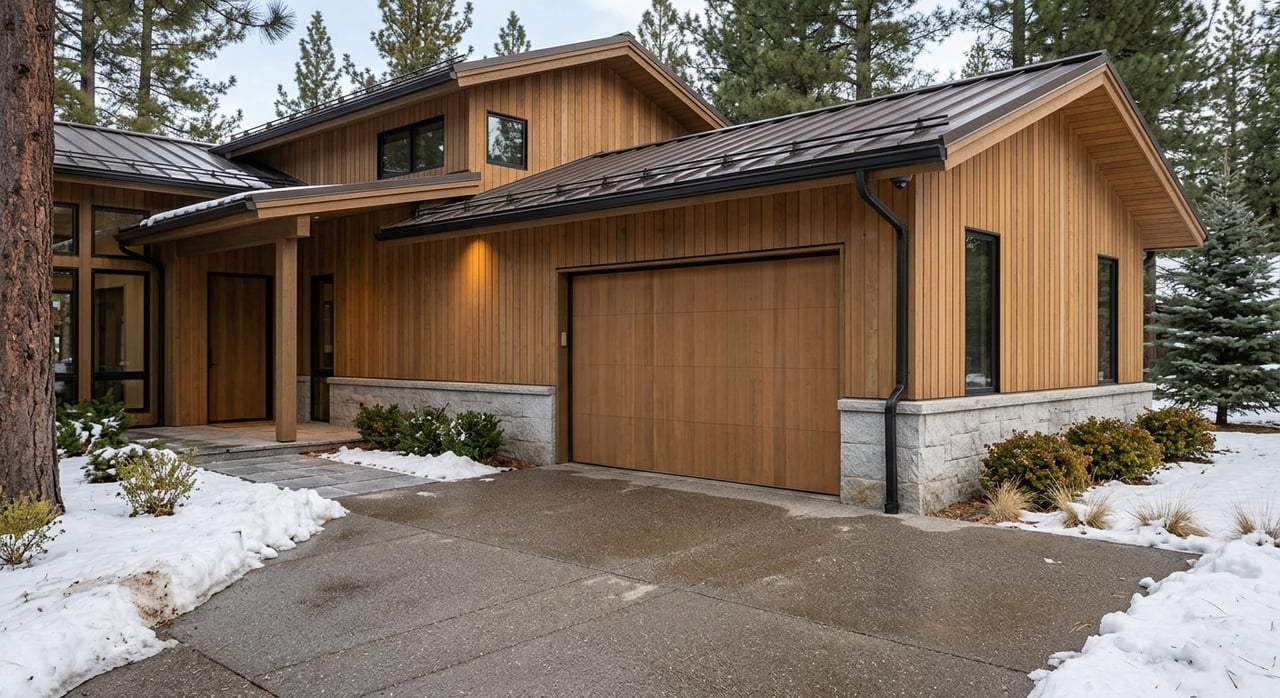
Owning a mountain home in Truckee can feel like the best of both worlds until a winter storm, power outage, or wildfire alert happens while you are hundreds of miles away. If you use your home seasonally or visit only part of the year, you need more than a simple check-in plan. You need a reliable system for access, safety, utilities, and local response. This guide walks you through the key parts of managing a Truckee home remotely so you can protect your property, reduce surprises, and make smarter decisions year-round. Let’s dive in.
Build Your Remote Ownership System
A well-run Truckee home usually depends on two things: local support and clear alerts. Local conditions in Truckee make winter storms, access issues, outages, and wildfire readiness part of normal ownership, not rare exceptions. The Town of Truckee’s winter guidance specifically notes risks like power outages, snow-removal challenges, traffic delays, and icy roads, while also advising residents to keep essentials on hand and have a backup place to go if the home becomes too cold, according to the Town of Truckee winter resources.
For most remote owners, that means your best setup is a simple operating plan supported by trusted local vendors. Smart-home tools can help you see what is happening, but they do not replace a person who can physically get to the property after a storm or during an urgent issue.
Plan for Winter Access First
Winter logistics are often the first challenge remote owners feel in Truckee. If your driveway is blocked, a guest parks in the wrong place, or a storm lasts longer than expected, a small issue can become a major disruption.
Know the town snow rules
The Town of Truckee has a no-parking ban on town roads and rights-of-way from November 1 through April 30, according to its winter information guidance. The town says plowing begins once snowfall reaches 4 inches, and vehicles left in the right-of-way can be ticketed or towed.
The same guidance explains that the town does not remove driveway berms left by plows. During sustained storms, the town aims to plow each residential street twice in a 24-hour period, and storm cleanup after major events can continue for 3 to 4 days. If you are not local, that timing matters.
Set up your snow response team
A remote owner should know exactly who handles each winter task before the first big storm. In practical terms, most homes benefit from a local caretaker or property manager, plus a snow-removal contractor who can clear the driveway and handle berms.
Your plan should answer a few basic questions:
- Who checks the property after heavy snow?
- Who clears the driveway and entry paths?
- Who removes plow berms?
- Where can guests park legally during winter?
- Who confirms the home is accessible before your arrival?
If the home has sidewalks, it is also worth checking whether removal responsibilities fall to the adjacent owner for that location, as explained by the Town of Truckee snow removal services page.
Monitor roads before you travel
Even if your home itself is ready, travel conditions may not be. The Town of Truckee recommends using Caltrans QuickMap and road reports to monitor conditions. It also notes that AWD or 4WD may be required in icy conditions and that chains should always be carried, based on the town’s winter resources.
For remote owners, this is not just a travel tip. It is part of property planning. If you expect family, guests, or service providers to access the home in winter, road conditions directly affect your timeline and backup options.
Protect the Home From Freeze and Outage Risks
Power and water issues can cause some of the most expensive surprises in a mountain home. Remote ownership gets easier when you treat utility management as a year-round priority instead of a cold-weather afterthought.
Expect occasional outage disruptions
Truckee Donner Public Utility District says wildfire-safety programs can increase outage frequency and duration. During a planned Public Safety Outage Management event, NV Energy can de-energize the transmission lines that feed Truckee, and TDPUD notes these outages can last from one day to a few days, according to its wildfire emergency preparedness page.
TDPUD says planned notices may arrive 48 to 24 hours ahead of an event, then again 12 to 4 hours before it begins. If you own remotely, make sure your contact information is current and sign up for available alerts so you are not learning about an outage after the fact.
Know your water shutoff plan
Water damage is often harder to manage from afar than a simple power loss. TDPUD says leaks commonly occur at fixtures, irrigation systems, or the customer-owned service lateral, and it notes that most Truckee-area homes have a stop-and-drain valve that shuts off fresh water and drains the internal plumbing, according to its water and leaks guidance.
If you do not know where that valve is, now is the time to find out. A local caretaker, plumber, or property manager should also know its location and be able to access it quickly.
Maintain trees near service lines
Outage prevention also includes exterior maintenance. TDPUD says trees growing into service wires or falling during storms can cause fire and outages, and it places responsibility for trimming and maintenance on the property owner. TDPUD also says it can de-energize the line at no charge while work is done, based on its emergency preparedness information.
That makes tree maintenance an important part of your operating plan, especially before winter and fire season.
Use Smart-Home Tools That Actually Help
Remote owners often overbuy technology and underuse the basics. The most practical smart-home setup is usually the one that gives you visibility, fast alerts, and a simple path to action.
Useful tools for a Truckee home often include:
- A smart thermostat
- Door or lock access controls
- Exterior cameras
- Leak detection sensors
- Alarm or notification systems
Just as important, those systems should be secure. The National Institute of Standards and Technology recommends multi-factor authentication, unique passwords, automatic updates, and separating smart-home devices onto a separate network. It also recommends replacing devices that no longer receive updates.
Smart-home tools should support your local team, not replace it. A camera can show you that snow has drifted across a driveway, but you still need someone nearby who can respond.
Make Wildfire Readiness a Year-Round Habit
Wildfire planning matters for nearly every Truckee owner. Truckee Fire Protection District says nearly all properties in the district are in a High or Very High Fire Hazard Severity Zone, and it identifies embers as the top cause of home ignition, according to its real estate information page.
Focus on Zone Zero
Truckee Fire defines Zone Zero as the first 5 feet around the home. That area should be kept free of mulch, firewood, pine needles, overhanging limbs, and dead vegetation. For a remote owner, this is one of the clearest jobs to assign and verify.
If you only visit seasonally, ask your landscaper, caretaker, or mitigation contractor to include regular Zone Zero checks in their scope of work. It is one of the simplest ways to reduce risk around the structure itself.
Schedule inspections and hardening work
Truckee Fire offers free defensible-space inspections and a home-hardening rebate program that can cover up to 50 percent of project costs, up to a $2,000 maximum, after approved work is completed, according to the district’s hardening program page. Truckee Fire also notes that these upgrades may support insurance eligibility, and that homeowners remain responsible for any permits or approvals.
If your home is in an HOA, do not assume the association’s process replaces the district’s requirements. Truckee Fire states that HOA inspections are not a substitute unless specifically authorized.
Know the sale-related inspection rule
If you may sell the home in the future, this matters well before you list. Truckee Fire says covered residential sales in these fire hazard zones require a defensible-space inspection report within 6 months of the transaction, and it notes that winter inspections may be suspended due to weather and staffing limits, according to its real estate guidance.
For sellers, early planning can help avoid last-minute timing issues.
Create an Evacuation Alert Plan
A remote owner still needs an evacuation strategy, even if the home is vacant part of the year. Truckee and Nevada County use zone-based alerts through CodeRED and Genasys Protect, and the Town of Truckee says the Hi/Lo siren means evacuate.
The town also advises leaving early if conditions feel unsafe rather than waiting for formal notice. Nevada County adds that current evacuation information should be checked through Genasys Protect rather than static maps.
A strong plan includes:
- Your evacuation zone information
- Alert enrollment for all owners
- A local contact who can check the property if safe to do so
- An out-of-town contact who can act as a communication hub
- A list of five trusted Emergency Allies, as recommended by the Town of Truckee emergency planning page
Even if you are not in residence full time, a written plan helps you act faster and with less stress.
Build a Simple Annual Checklist
Managing a Truckee mountain home remotely gets easier when you repeat the same seasonal process each year. A basic checklist can help you stay ahead of common issues.
Before winter
- Confirm your snow-removal contract and berm-clearing plan
- Review guest-parking rules during the winter no-parking season
- Test heat, flashlights, batteries, and backup charging methods
- Stock essentials like firewood, fuel, food, water, and warm clothing
- Confirm the stop-and-drain valve location and local access to it
Before and during fire season
- Schedule a defensible-space inspection
- Clear and maintain Zone Zero
- Trim trees as needed near the home and service lines
- Verify that emergency alert systems are active and current
- Confirm whether any HOA fire inspection role is officially authorized
Keep the Right Local Vendors in Place
The best remote-ownership model is usually a local team paired with simple monitoring systems. Based on Truckee’s snow, wildfire, outage, and evacuation realities, the most useful vendor relationships often include:
- A local property manager or caretaker
- A snow-removal and berm-clearing contractor
- An arborist or wildfire-mitigation landscaper
- A plumber, HVAC technician, and electrician
- A smart-home or alarm installer
- A general handyman for post-storm checks and minor repairs
This kind of vendor map helps you move quickly when conditions change. Instead of starting from scratch during a storm or alert, you already know who to call and what each person handles.
Remote Ownership Works Best With a Plan
A Truckee home can be an incredible lifestyle asset, but remote ownership works best when you treat it like an operating system, not a part-time project. Snow access, outages, water shutoffs, fire hardening, and alert enrollment all deserve a place in your annual routine.
If you are buying, selling, or planning ahead for a Truckee mountain property, working with a team that understands second-home logistics can make the process much smoother. The Brassie Group helps clients navigate the Lake Tahoe and Truckee market with a high-touch, informed approach designed to protect both lifestyle and long-term value.
FAQs
What winter parking rules apply to a Truckee mountain home?
- The Town of Truckee has a no-parking ban on town roads and rights-of-way from November 1 through April 30, and vehicles in the right-of-way can be ticketed or towed.
What should a remote owner know about snow removal in Truckee?
- The town plows public streets, but it does not remove driveway berms left by plows, so you should confirm who handles driveway clearing, berm removal, and access checks after storms.
What utility risks matter most for a remote Truckee home?
- Power outages, leaks, and freeze-related issues are key concerns, so it helps to know your stop-and-drain valve location, keep contact information updated for alerts, and have local help available.
What wildfire steps should a Truckee homeowner take first?
- Start by maintaining Zone Zero, scheduling a defensible-space inspection, and reviewing home-hardening options through Truckee Fire.
What evacuation alerts should Truckee homeowners use?
- Truckee and Nevada County use zone-based alerts through CodeRED and Genasys Protect, and the town says the Hi/Lo siren means evacuate.
What smart-home systems are most useful for a remote mountain home in Truckee?
- A smart thermostat, door or lock access, cameras, leak alerts, and an alarm or notification system are often the most practical tools for remote oversight.