Is your lakefront view doing the selling it deserves? When you list a home on Lake Tahoe’s shoreline, buyers are shopping for a lifestyle as much as a property. You want every room and outdoor space to frame the water, the light, and the easy flow to the deck or dock. Staging can help you do that without major construction.
In this guide, you’ll learn when staging pays off in Incline Village, which rooms to prioritize, how to use Compass Concierge to accelerate prep, and the visuals that turn browsers into showings. Let’s dive in.
Should you stage a lakefront home?
Staging often makes sense for Incline Village lakefronts because buyers focus on view, outdoor living, and seamless indoor-outdoor flow. Use this quick decision framework to choose your approach.
We recommend staging if
- Rooms feel cluttered or personalized in ways that distract from the view.
- Furniture placement blocks sightlines or makes circulation unclear.
- The home is vacant and scale or function is hard to read.
- You are competing in a balanced or buyer-leaning market and need to stand out.
- You want to shorten time on market and create lifestyle-driven appeal.
You may scale back staging if
- The home is recently renovated with design-forward, neutral interiors.
- Architecture is the showpiece and reads best with minimal furnishings.
- Inventory is very limited and buyer demand is outpacing supply.
Occupied vs. vacant
- Occupied: Aim for partial staging. Declutter, neutralize, and rearrange to feature the water and key living zones.
- Vacant: Consider full staging or virtual staging. Empty rooms can hide scale and make it harder to imagine how seating relates to the view.
Budget and expected uplift
Weigh cost against likely benefits. If budget is tight, focus on the main living area, the primary suite, kitchen and dining, plus decks or terraces. These spaces do most of the selling for lakefront buyers.
Rooms and features to stage first
Prioritize the spaces that sell the view and outdoor lifestyle.
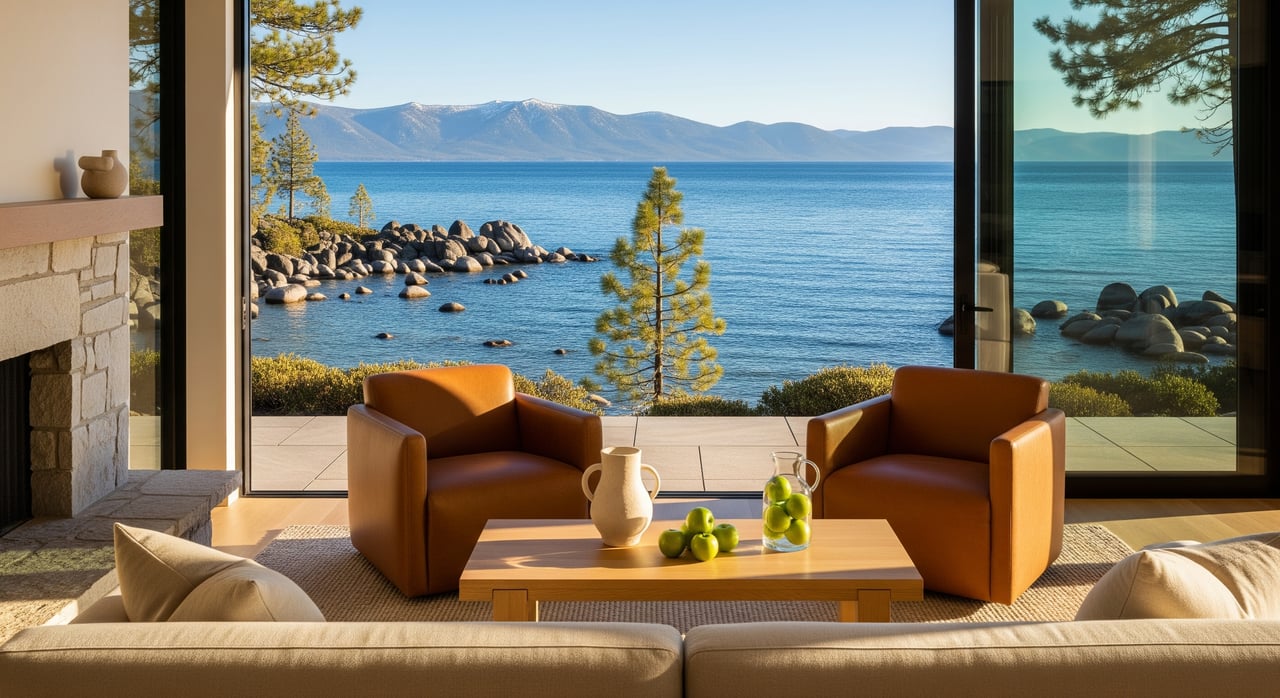
Living or great room
- Arrange seating to face the lake and create conversation areas.
- Keep windows and sliders clear and spotless to maximize light.
- Use scaled rugs and coffee tables to show proportions without blocking pathways.
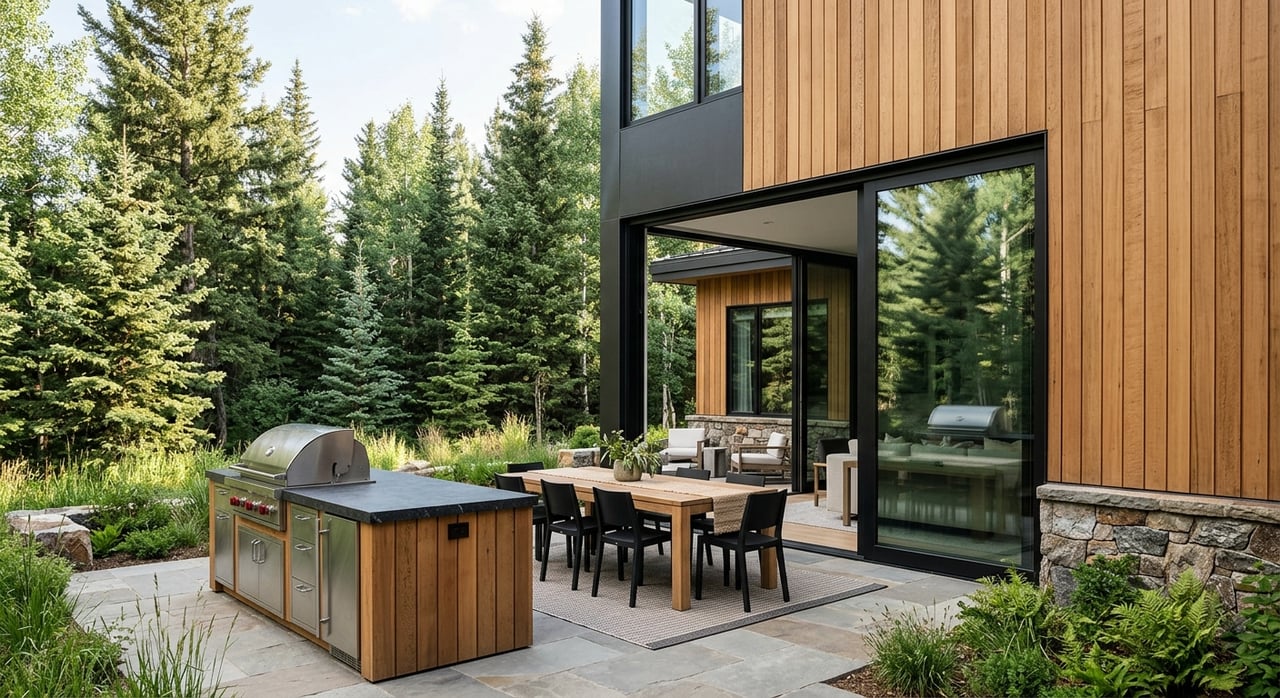
Outdoor living: decks, patios, terraces
- Stage these like real rooms with dining sets, lounge seating, outdoor rugs, and seasonal heaters or a fire pit if appropriate.
- Create multiple zones to suggest morning coffee, afternoon sun, and sunset dining.
- Show the indoor-outdoor connection with matching tones or textiles that tie to the interior.
Primary suite
- Style it as a restful retreat. Neutral bedding, layered textures, and simple nightstands keep the focus on the water.
- If there is deck access, make it obvious and inviting.
Kitchen and dining
- Declutter counters and keep surfaces crisp.
- Use a light table setting to suggest easy entertaining and al fresco transitions.
- Highlight circulation so guests can flow to the deck.
Entry and circulation
- Lead the eye to the water from the moment you step inside.
- Use a slim console or art that does not compete with the view.
Main baths and guest baths
- Neutral towels, good lighting, and cleared counters keep the mood fresh and spa-like.
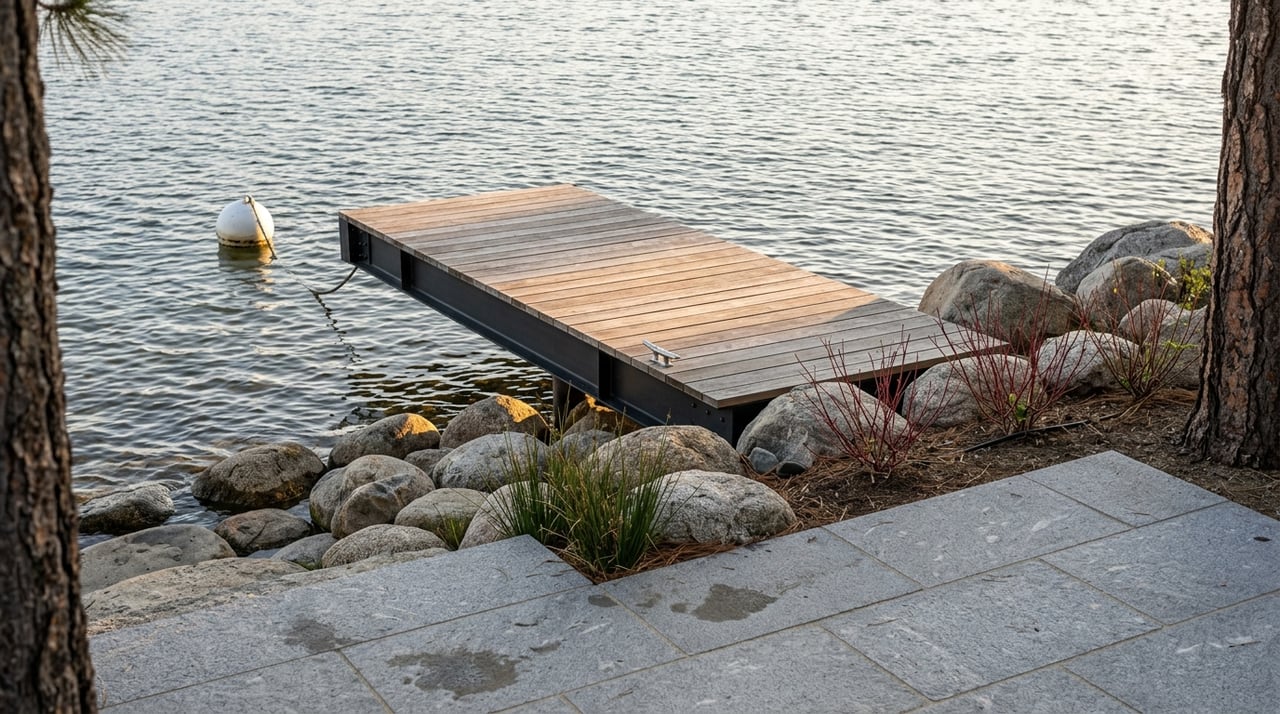
Dock and shoreline
- Where allowed, add Adirondack chairs or a small bench to suggest use.
- Store paddleboards or kayaks neatly. Confirm any rules, permissions, and insurance before placing items on docks or shared spaces.
Secondary spaces
- Light-touch staging or virtual staging can signal function for guest rooms, office, or bonus areas.
- Show organized storage for gear and water toys in garage or mudroom.
Physical vs. virtual staging
Virtual staging works well for vacant interiors when you want to show layout and furniture scale without renting full sets. Disclose virtual staging per local MLS requirements, and keep edits realistic. Do not add windows or alter sightlines in a way that misrepresents the property. For outdoor amenities, real-life props read best in photos and video.
Visual storytelling and photography
For lakefront homes, visuals are the product. Plan your shoot around light and sequence.
Photography tactics
- Golden hour and twilight: Capture exterior and deck shots when the lake glows. Pair with crisp daytime images for interiors.
- Drone and aerials: Show water access, orientation, dock placement, lot shape, and privacy buffers. Follow local UAV and privacy rules.
- Honest wide angles: Use wide lenses to convey scale without distortion.
- Logical flow: Present the home as a walk-through sequence from entry to living to primary suite to kitchen to outdoor and shoreline.
- Video and virtual tours: Short lifestyle clips of walking to the water, launching a paddleboard, or a sunset toast can be persuasive for remote buyers.
Vignettes that signal lifestyle
- Outdoor: Adirondack chairs, simple dining set, soft lighting, stacked firewood, rolled towels, neatly stored paddleboards.
- Interior: Neutral linens, layered rugs, a few books or maps that nod to Tahoe. Avoid family photos and memorabilia.
Timeline, costs, and ROI
Plan 1 to 3 weeks for decluttering, deep cleaning, paint touchups, furniture staging, landscaping refresh, and professional photography. Full staging for large lakefront homes can cost more than typical suburban projects due to outdoor zones and higher-end furnishings. Costs vary widely by scope, provider, and duration. Ask for itemized estimates and compare full, partial, and virtual options.
There is no guarantee of a higher sale price, but industry data shows staging often reduces days on market and boosts buyer engagement. On lakefront listings, showing functional outdoor living and unobstructed views tends to deliver meaningful uplift.
Using Compass Concierge to front staging
Compass Concierge can fund and coordinate pre-sale services such as staging, painting, repairs, landscaping, cleaning, and photography. You repay the costs at closing from sale proceeds. Services and terms vary by market and by listing agent. Confirm eligibility, fees if any, contractor options, timelines, and how costs are documented in your listing agreement.
Practical use cases for Incline Village sellers:
- Front the cost of staging and targeted exterior work so you can list during peak showing windows.
- Refresh decks, landscaping, and lighting to showcase outdoor living.
- Streamline scheduling and vendor management to reduce time to market.
Always ensure any exterior or shoreline work complies with local rules before work begins.
Local rules, HOAs, and safety
Incline Village lakefronts sit within a unique regulatory and environmental setting. Keep your staging plan compliant and safe.
Shorezone work often requires permits from regional and state agencies. Avoid adding or altering shoreline structures without approvals.
Many neighborhoods fall under HOA or IVGID guidelines. Get permission before placing items on common areas, docks, or shared spaces.
Confirm contractor insurance for any staging on docks or shoreline. Consider liability and access rules.
Respect wildfire defensible space. Do not use staging that creates ignition risk or hides required clear zones.
Maintain safe walkways and decks, especially near steep terrain or water edges.
Seasonality in Lake Tahoe
Buyer traffic and listing appeal shift by season.
- Summer and shoulder seasons: Prioritize exterior staging, landscaping, deck dining, and water access. Schedule golden hour shoots.
- Winter: Emphasize warm, cozy interiors, working fireplaces, and layered lighting. Keep walkways clear and photo sets honest about access.
Align your launch window, staging, and photography with the season that best sells your strengths.
Incline Village lakefront staging checklist
Use this prioritized list to get market ready.
Immediate and critical
- Remove clutter and personal items that block views.
- Clean windows, sliders, and railings for maximum clarity.
- Rearrange seating to frame the lake and open circulation.
- Replace burnt-out bulbs and add light where needed.
High-impact aesthetic
- Stage the main living area, primary suite, and kitchen-dining.
- Stage decks, patios, and terraces as defined rooms with seating and dining.
- If permitted, add simple dock seating and organize shoreline gear.
- Do paint touchups to neutralize bold colors and fix scuffs.
Exterior and curb appeal
- Power-wash decks and tidy landscaping. Add potted plants where appropriate.
- Coil hoses, coordinate ropes, and store watercraft neatly.
Marketing readiness
- Book professional photos: daytime, golden hour, twilight, and drone.
- Outline a short lifestyle script for video or virtual tours.
Compliance and safety
- Confirm HOA, IVGID, and any required permits for exterior elements.
- Verify contractor insurance and follow defensible space standards.
The bottom line
Staging a lakefront home in Incline Village is about clarity. You want buyers to feel the flow to the water, imagine hosting on the deck, and picture quiet mornings in the primary suite. Focus your budget on view-forward rooms and outdoor living, plan visuals around the best light, and use programs like Compass Concierge to move fast without sacrificing polish.
If you want a tailored plan for your property and timing, connect with The Brassie Group for a walkthrough, staging strategy, and launch calendar that fits your goals.
The Brassie Group. Let’s talk about your highest possible return.
FAQs
What is the main benefit of staging a lakefront home in Incline Village?
- Staging clarifies sightlines to Lake Tahoe and highlights indoor-outdoor living, which improves perceived value and can reduce days on market.
Which rooms should I stage first for an Incline Village listing?
- Start with the living room or great room, outdoor decks or patios, the primary suite, and the kitchen-dining area. These spaces do most of the selling.
How long does staging and photography usually take before listing?
- Plan 1 to 3 weeks for decluttering, touchups, staging, and professional photos, depending on scope and contractor availability.
Can I rely on virtual staging for a vacant Incline Village home?
- Yes for interiors, if you disclose it per MLS rules and keep edits realistic. Do not alter structural features or view elements. Outdoor amenities show best when staged physically.
How does Compass Concierge help with staging costs?
- The program can front costs for staging and pre-sale work, repaid at closing. Availability and terms vary by market, so confirm details with your listing agent.
Are there special rules for staging near the shoreline or dock?
- Yes. Shorezone work may require permits, and HOA or IVGID rules can apply. Get permissions and ensure contractor insurance before placing items on docks or common areas.
What should I focus on if listing in winter in Incline Village?
- Emphasize cozy vignettes, working fireplaces, layered lighting, and safe, shoveled access. Use honest photos and consider summer exterior images as supplemental context.