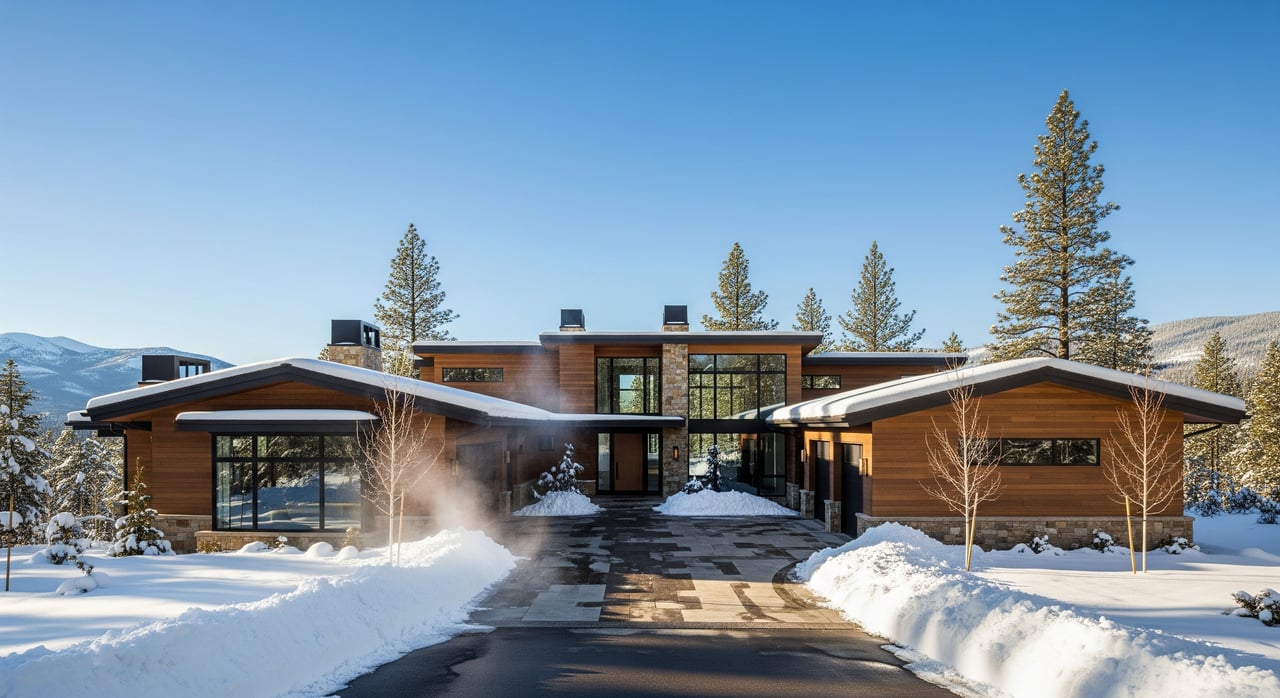
A bluebird morning in Truckee can still start with a five-foot berm blocking your driveway and slick steps that make the front door feel a mile away. If you own a second home here, you know storms arrive fast and heavy, and access can disappear just as quickly. You want your property safe, show-ready, and easy to reach for guests and vendors, even when you are not in town. This guide explains how snow removal works in Truckee, the terms you should know, how to set up the right services, and how winter access affects showings, maintenance, and resale. Let’s dive in.
Why Truckee winters complicate access
Truckee sits at high elevation in the Sierra, where winter storms can drop many inches to multiple feet of snow in short windows. Strong winds create drifts, and frequent freeze–thaw cycles build ice on driveways, steps, walkways, and roofs. Plow trucks clear the roads quickly during and after storms, but the snow they push often leaves a berm across your driveway apron.
Regional highways that serve Truckee, including I‑80, SR‑89, and SR‑267, are subject to chain controls during storms. When chain requirements are in place, certain vehicles cannot proceed without traction devices. That affects everyone’s timing, including your snow vendor, delivery services, and real estate showings.
Temporary inaccessibility is normal during heavy events. Vendors typically prioritize primary residences and established seasonal contracts first. If your home sits on a steep drive or private road, the path may not be the town’s responsibility, so it falls to HOAs, road associations, or you and your contractor to keep access open.
Key snow removal terms to know
- Berm: The ridgeline of snow left across your driveway after the street is plowed. It often requires separate removal.
- Chain control: An official requirement for chains or traction devices on state routes during storms.
- Plow push / pushback: Moving snow off a driveway or private road by pushing it to the side or uphill.
- Haul‑off / carting: Loading snow into trucks and removing it to a legal disposal site when on‑site storage is limited.
- Apron: The section of driveway near the road where berms pile up and curbs or landscaping can be damaged if the operator is not careful.
- Priority scheduling / emergency service: Contract terms that set response order and timing during storms.
- Deicing vs. anti‑icing: Deicing removes existing ice; anti‑icing is a preventative application before a storm.
- Heated driveway/pavement system: Electric or hydronic heat that melts snow and ice on paved surfaces.
Who clears what: HOA, private roads, and your driveway
Many Truckee resort neighborhoods rely on HOAs or private road associations to plow roads and common areas. Those organizations contract with commercial plow companies and set rules for parking during storms, snow storage zones, and homeowner responsibilities.
Your driveway, steps, and walkways are typically your responsibility. Some HOAs include basic driveway passes or berm knock‑downs, but many do not. Read your governing documents each fall and confirm what is covered so you can contract for any gaps in service.
Service models in Truckee: what to expect
You can hire individual driveway and property services on a per‑storm basis or through a seasonal agreement. Seasonal contracts usually include automatic passes and priority status after storms, which helps second‑home owners who are away. On‑call services can work during light winters but may be delayed or unavailable during big cycles.
Common scopes include driveway clearing, turnaround space, walkway and step clearing, berm removal, sanding or traction applications, and roof raking or ice dam mitigation. Some contractors are independent operators running skid steers or ATVs. Others are larger teams with trucks, loaders, and hauling capacity for carting snow off site when storage runs out.
Pricing depends on driveway length and grade, equipment required, response time, storm frequency, and whether snow must be hauled away. Many companies set a minimum per visit during storms. Seasonal contracts cost more up front but often guarantee better response. If you own a second home, ask about priority tiers so you know where you stand during back‑to‑back events.
Confirm insurance before you sign. Your contractor should carry commercial general liability and worker’s compensation. Contracts should spell out how any damage to pavement, sprinklers, landscaping, mailboxes, or fences will be documented and repaired.
Heated driveways and de‑icing: what works here
Heated systems can help keep critical areas clear, especially at entries and small aprons. Options include embedded electric cables or mats, hydronic tubing tied to a boiler, and portable heated surface mats for steps and walkways.
Pros include improved safety and less shoveling on key surfaces. Cons include high installation cost, energy use, and the need for reliable power or a generator during outages. In heavy, sustained snowfall, even well‑designed systems can be overwhelmed and still require plowing.
For most Truckee second homes, heated solutions are best used surgically: the front walk, the first few feet of the driveway near the road, or a landing that tends to ice over. Test control systems each fall. If you use hydronic heat, maintain freeze protection. Because costs vary widely by scope and site conditions, get multiple local bids and factor long‑term energy use into your decision.
Plan ahead: contracts and scheduling that hold up in storms
Advance planning is your biggest advantage. Handle the following items in late summer or early fall.
Pre‑season actions
- Get at least three written quotes from Truckee‑experienced providers.
- Verify commercial general liability and worker’s comp; request certificates.
- Review HOA or private road policies and budget for any assessments.
- Negotiate priority status if you are a second‑home owner who visits on short notice.
- Decide where snow will be stored and how berm removal will be handled.
- Share gate codes, alarm details, and a local emergency contact with your vendor.
- Test and service your generator and confirm fuel supply.
- Schedule a roof, ventilation, and insulation check to reduce ice dams.
Contract terms to clarify
- Scope of work: what is included and excluded for driveway, apron, walks, steps, and roof.
- Response time: first pass window after a storm ends and timing for additional passes.
- Pricing and billing: seasonal vs per‑event, what triggers a “service,” and extra charges for hauling or excessive berms.
- Damage protocol: documentation, repair standards, and timeline.
- Access protocols: gate codes, key storage, contact persons, and plan if chain controls delay arrival.
- Termination and renewal: dates, notice periods, and how renewals are handled.
Storm‑day playbook
- 72–24 hours pre‑storm: confirm schedule with your vendor and check chain control forecasts that might affect access.
- During the storm: understand whether your contract includes mid‑storm passes or only post‑accumulation clearing.
- Post‑storm: request photo confirmation with invoices and confirm berm removal timing if that line item is separate.
Showings and resale: why access matters for your listing
Winter access affects how often and how safely buyers can view your home. Agents need a clear parking area and a safe path from the road to the front door. If a berm blocks the apron or steps are icy, showings may be delayed or canceled.
Work with your agent to place the lockbox where it stays reachable after plowing. Align on expectations for storm‑day showings and set a policy for when to accept or defer requests. Snow can photograph beautifully, but buyers still need to approach the entry with confidence.
If you plan to list in winter, budget for more frequent clearing of the driveway, steps, and porch, plus occasional roof raking. Clean access supports buyer impressions, reduces liability, and helps your home show at its best.
Ongoing winter maintenance: what to keep clear
Snow and ice management is about more than the driveway. Maintain access to exterior mechanicals so vendors can reach them quickly if needed. Keep paths open to the generator, propane tanks, meters, and key shutoffs.
Watch roof loading and ice dams, especially after back‑to‑back storms. Schedule roof raking or specialized ice mitigation as conditions warrant. For mail, deliveries, and trash, check HOA policies and service locations each winter so plows and pickup routes are not blocked.
Quick checklists for second‑home owners
Pre‑season setup
- Sign a written seasonal or priority contract with a local vendor.
- Confirm insurance and get references from Truckee or Tahoe clients.
- Share access details: gate codes, alarm info, and a local contact.
- Service your generator and confirm fuel.
- Identify off‑site parking options for guests or service vehicles.
- Schedule a roof and insulation review to reduce ice dams.
Questions to ask vendors
- What is your typical response time after the storm ends?
- Do you remove street berms and haul off site if needed, or only push back on the property?
- How do you prioritize clients during multi‑storm events?
- Can you provide current insurance certificates and Truckee references?
- How do you document and resolve damage claims?
Storm‑day prep
- Confirm vendor schedule and chain control status.
- Move vehicles to the designated snow‑storage or parking area.
- Ensure the lockbox and walkway are reachable after the first pass.
- Request post‑service photos for your records.
Local rules and environmental notes
Chain controls can change quickly and affect everyone’s timing. Plan for delays during active storms and give vendors current access codes and contacts. Around Lake Tahoe and sensitive watersheds, deicer use and stormwater runoff are regulated, so expect contractors and HOAs to use traction mixes and limited chemical treatments.
If on‑site storage fills up during big cycles, hauling snow off site may be necessary. Larger operators or HOAs typically coordinate hauling to approved disposal locations. Check town or county restrictions on winter parking and private road maintenance so your plan complies with local rules.
A thoughtful winter plan protects your home, keeps guests and vendors safe, and gives buyers consistent access if you decide to sell. If you are weighing improvements, timing a winter listing, or planning vendor schedules around showings, connect with a local team that understands how Truckee seasons work and how to present your home at its best. For calm, expert guidance tailored to second‑home owners, reach out to The Brassie Group.
FAQs
How chain controls affect Truckee vendor access
- Chain requirements on I‑80, SR‑89, and SR‑267 can delay or block vendor arrival, so build timing cushions into your plan and contracts.
Do heated driveways replace plowing in Truckee winters
- No, heated systems help on small critical areas but can be overwhelmed in heavy storms and still require plowing and berm removal.
Who clears private roads in Truckee neighborhoods
- HOAs or private road associations usually handle roads and common areas, while homeowners are responsible for individual driveways and walks.
How to handle street berms blocking a driveway apron
- Include berm removal in your contract and clarify if it is a separate service or part of the standard pass, plus timing for post‑storm clearance.
What to include in a Truckee snow removal contract
- Define scope, response windows, priority status, pricing and extras, damage protocols, access details, and termination and renewal terms.
How winter access impacts showings and resale value in Truckee
- Clear parking and safe entry increase showing volume and buyer confidence, reduce liability, and support stronger presentation during winter listings.