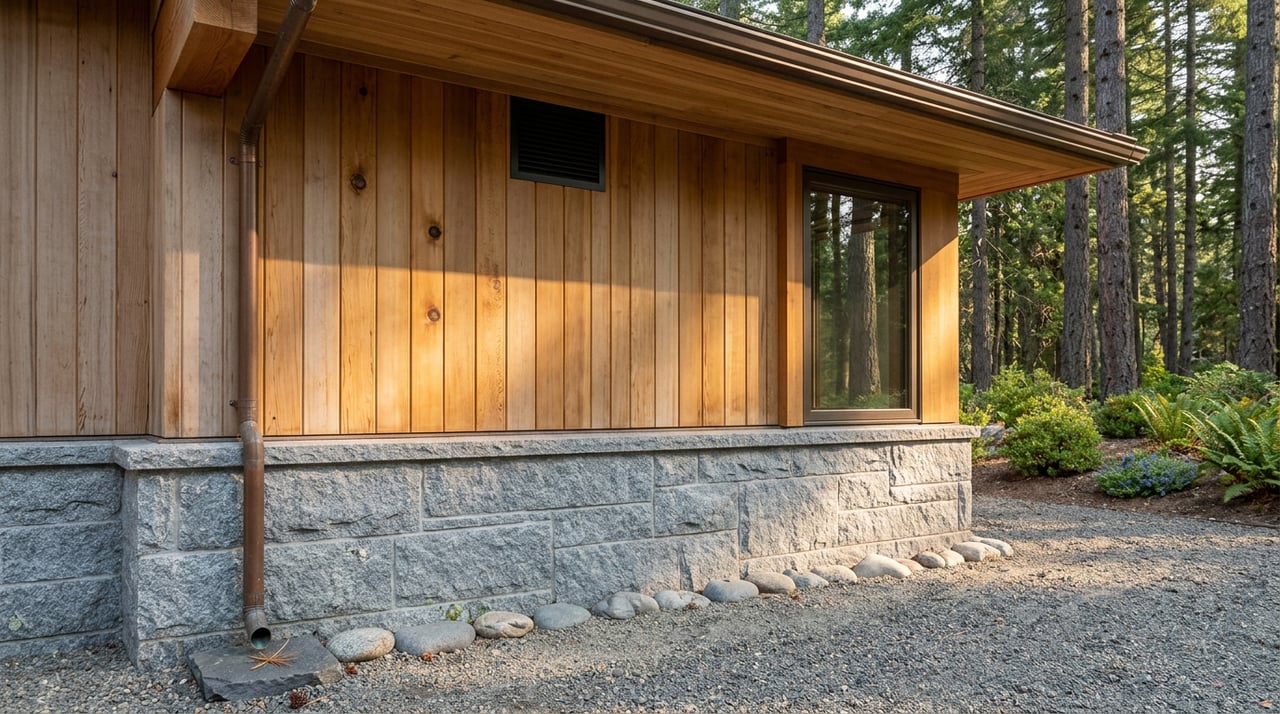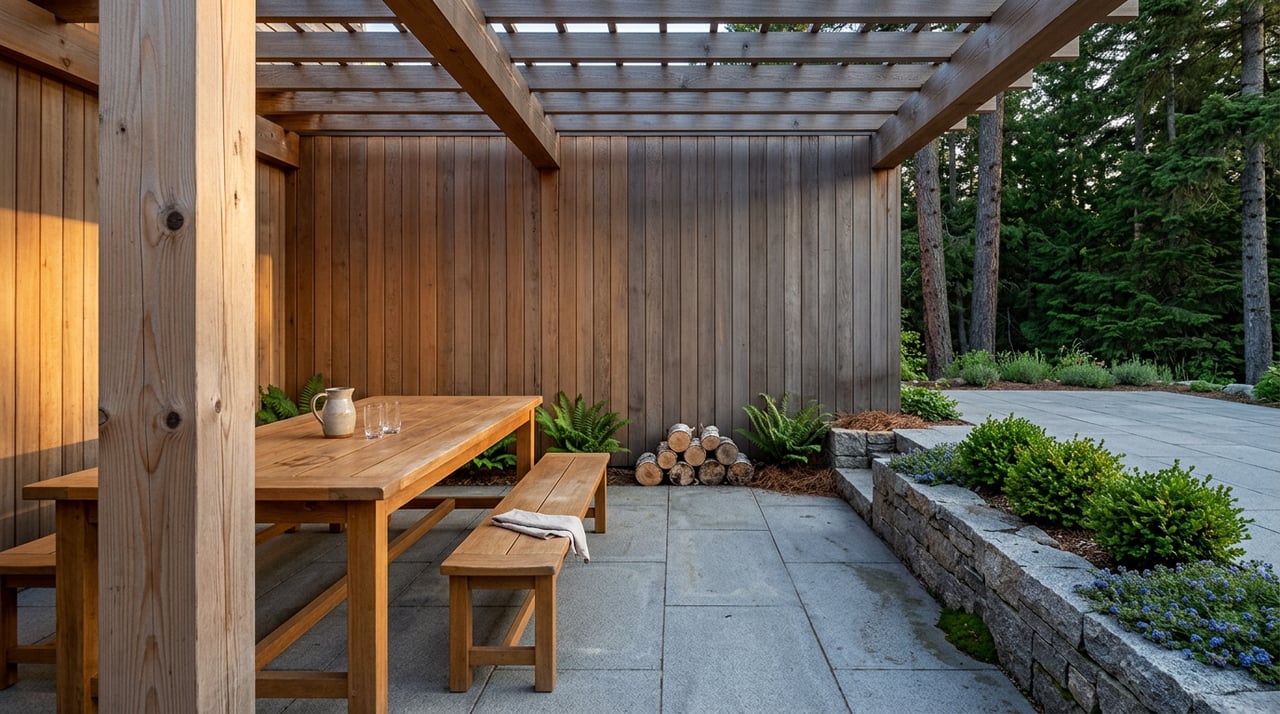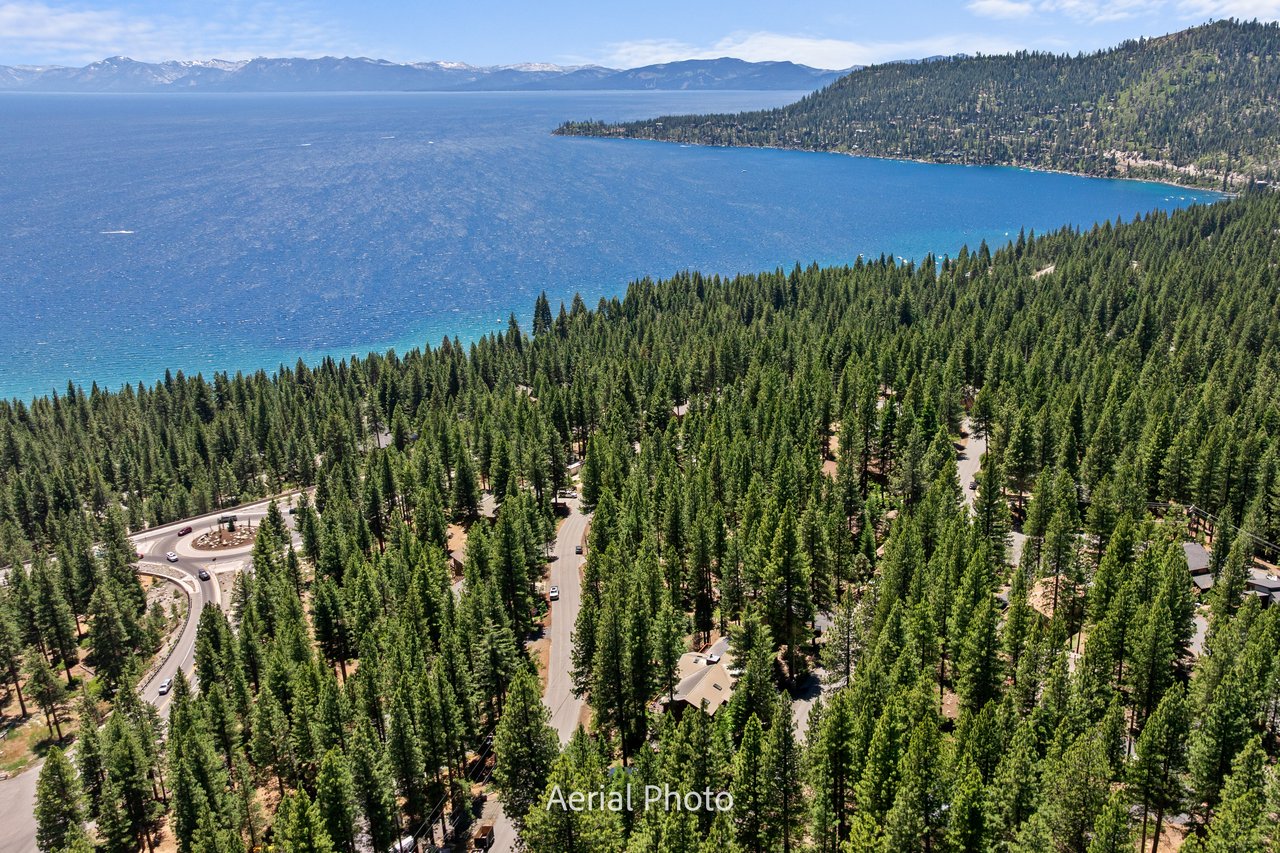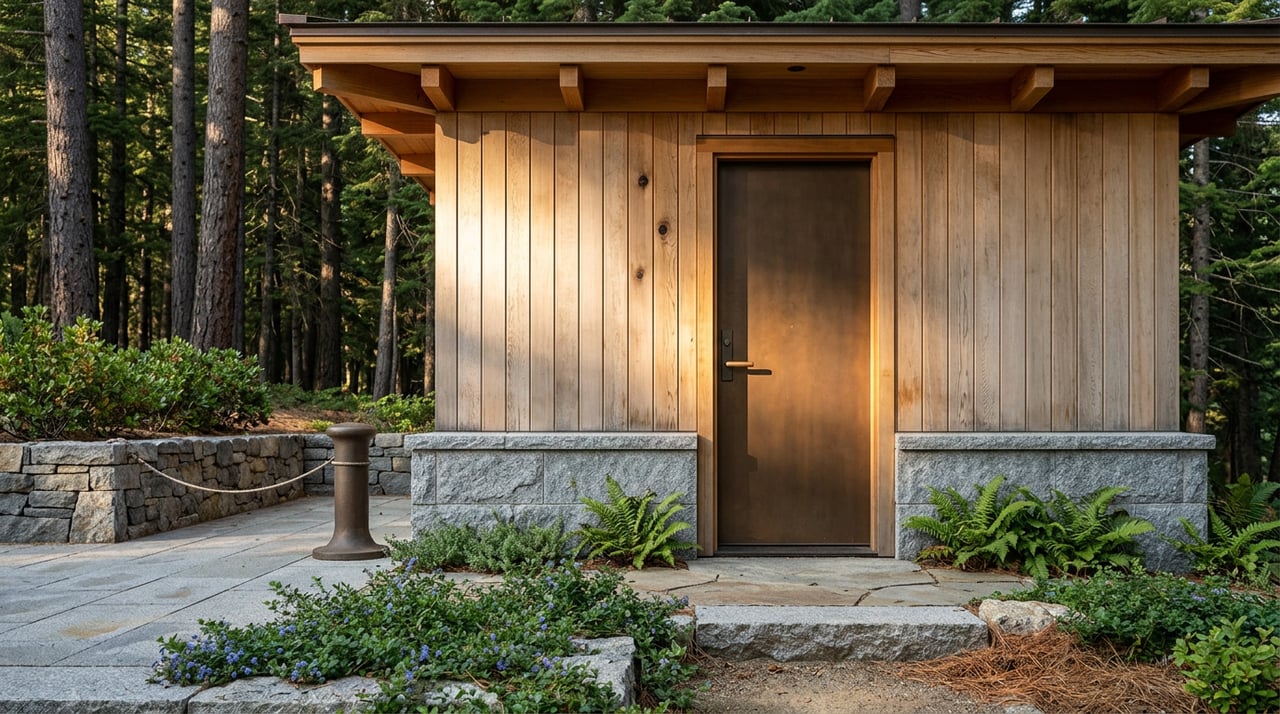
A 4,100-square-foot custom home inside Uppaway Estates listed in April 2026 for $4,995,000. Roughly the same footprint on Yellow Jacket Road, a 4,284-square-foot house down the road, closed on January 2, 2026 for $15,000,000. Same gate, same lake, same ZIP. The $10 million spread is not the house.
It is the permitted access to the water and the HOA that governs it. In Glenbrook, price is set by shorezone rights and jurisdictional layers that only surface after an offer is written. This guide is for buyers who have already read the portal medians and want to understand which line items in a Glenbrook file actually move the number.
The pier is the price
Glenbrook is a small, gated community on Lake Tahoe's East Shore in Douglas County, Nevada, with roughly 297 residences spread across 750 acres, only about 150 of which are developed. The remaining ~600 acres are meadow, forest, and open space. The community is anchored by the private Glenbrook Club with a lakefront restaurant, bar, firepit, and a 9-hole golf course, and by shoreline assets the Glenbrook Homeowners' Association administers as Common Elements.
That last phrase is the one buyers should stare at. The beaches, the community pier with boat valet, the buoy field, the kayak and paddleboard racks, and the tennis and pickleball facility are HOA assets, not deeded parcel rights. Owning a Glenbrook lot means owning a share of access to those assets under the CC&Rs, subject to the Association's allocation procedures, waitlists, and fees. Boating central to your lifestyle? Get the buoy assignment in writing before you release contingencies.
The market rewards buyers who understand this. Consider the current spread across three points in the community:
| Property | Sq Ft | Price | What actually differs |
|---|---|---|---|
| Uppaway custom, 38 S Point Place (listed 4/2026) | 4,100 | $4,995,000 | Uppaway-only pier and beach amenity set |
| 187 Yellow Jacket Rd (sold 1/2/2026) | 4,284 | $15,000,000 | Lakefront parcel with community pier proximity |
| 777 Rodeo Dr (listed 2026) | 35,000 | $125,000,000 | New-build lakefront with private frontage |
Square footage is nearly irrelevant on the first two rows. The chasm between them is which HOA governs the water and how directly the parcel touches the lake.
Two HOAs, not one
Buyers routinely conflate Glenbrook and Uppaway Estates. They are neighbors, not the same community. Uppaway Estates is a gated, waterside community of approximately 35 homes with a community pier, boat mooring, a lakeside park, tennis and pickleball courts, and open space, sitting adjacent to Glenbrook proper. Historically, Uppaway grew out of the 44-acre Fleishman estate acquired in the 1930s and now maintains its own catwalk pier and park separate from the GHOA.
Practically, this means two sets of governing documents, two amenity policies, and two buoy-allocation systems within a half-mile of each other. An address ending in "Glenbrook, NV 89413" tells the county the ZIP, and nothing about your dock privileges. During diligence, ask the listing side for the association name, current CC&Rs, current fees, the reserve study, and the buoy or pier assignment associated with the parcel. If a boat slip transfers with the sale, that transfer needs to appear in the estoppel and be blessed by the Association in writing.
The Douglas County VHR permit dies at your closing
Buyers who plan even light seasonal rental income to offset carrying costs need to read this section twice.
Glenbrook falls inside Douglas County's Tahoe Township. The township is capped at 600 total Vacation Home Rental permits under Ordinance 2025-1655. Douglas County uses a waitlist process; neighborhoods with available permits do not follow the waitlist, and as of May 11, 2026, Douglas County had 556 VHR permits issued. Roughly 44 remain, and only inside neighborhoods still classified as unconstrained.
Two features of the ordinance decide whether a Glenbrook rental thesis survives a closing:
- Permits do not transfer with the property. The seller's permit is extinguished at sale and the buyer applies from zero, subject to the rules in force on the day of application.
- Even where a county permit is theoretically available, the Glenbrook HOA independently restricts most short-term rental activity under the CC&Rs. County eligibility and community eligibility are separate hurdles.
Layer that against the application file itself. Douglas County requires a Fire & Life Safety Inspection scheduled directly through Tahoe Douglas Fire, with appointments taking up to 60 days depending on Fire District availability. Even a house that shows beautifully can fail the inspection that stands between the buyer and legal operation. If rental income is part of your acquisition model, verify neighborhood status and HOA policy in the same week you tour, not the week you close. The current Douglas County VHR program page is the appropriate starting point: douglascountynv.gov VHR waitlist.
The shorezone layer nobody reads until escrow
Lakefront ownership at Tahoe stops at the natural high-water line. Everything below is regulated by state and federal frameworks that predate any listing agreement. In Glenbrook, three agencies quietly decide what your dockmaster can do:
- TRPA. The 2018 Shoreline Plan lifted the long-standing shorezone moratorium and set the framework buyers see today. The plan authorizes up to 1,486 new private moorings at Lake Tahoe including buoys, boatlifts, and boat slips, with fifteen percent of the remaining pool available annually through a mooring lottery. Existing moorings must be registered and renewed annually. Full framework and forms live at trpa.gov/programs/shoreline.
- Nevada Division of State Lands. Piers, pilings, and mooring buoys sit over state-owned lakebed and typically require a lease or permit with conditions, fees, and transfer rules. A pier that looks grandfathered on the water may still carry a lease term the seller has not renewed.
- Douglas County. Building permits, plan review, and inspection records for shoreline construction and repair sit at the county level. Ask for the file, not the anecdote.
The scarcity of new piers in Glenbrook Bay is not abstract. In 2001, TRPA's board voted unanimously for an amendment ensuring no piers other than the existing community pier in the center of Glenbrook Bay, with the Whittemore-Ruvo-Fein project located just south of that no-more-piers zone. That vote and the litigation that followed, chronicled by the Tahoe Daily Tribune, is why a permitted private pier in this bay reads as effectively irreplaceable.
Translate that into acquisition math. If a Glenbrook lakefront listing includes a permitted, transferable private pier with active DSL lease and current TRPA registration, the pier itself is doing work in the price that no interior finish package can undo.
A diligence sequence that protects a Glenbrook offer
Before an offer, in this order:
- Confirm which HOA governs the parcel and pull the current CC&Rs, amenity policies, fees, and reserve study.
- Get written confirmation of any buoy assignment, slip, or pier privilege that the seller represents.
- Verify the parcel's Douglas County VHR neighborhood status and confirm whether the HOA independently permits rentals of any tier.
- Pull the TRPA file and DSL lease status for any private shorezone structure. Note the renewal cycle.
- If any shoreline structure needs repair or extension, budget for the TRPA and DSL timelines, not the contractor's.
- Schedule the Tahoe Douglas Fire inspection early if rental use is contemplated.
None of this shows up in a portal median. All of it moves the number.
A short FAQ
Does buying in Glenbrook automatically give me a buoy? No. The buoy field is a GHOA Common Element allocated by Association procedure, which can include waitlists and fees. Confirm your allocation in writing before waiving contingencies.
Is Glenbrook a viable rental market for a second-home owner? Rarely, and never automatically. The Douglas County VHR permit is non-transferable, the township is near its 600-permit cap, and the Glenbrook HOA independently restricts most short-term rental activity. Underwrite the property without rental income unless the HOA and county both confirm a specific pathway for the parcel in question.
What actually justifies the price gap between a Glenbrook interior lot and a lakefront? A permitted, transferable pier or buoy assignment, in a bay where TRPA has affirmatively limited new structures, is a scarce and effectively non-replicable asset. Square footage, finish level, and lot size explain a small share of the spread. The shorezone rights explain most of it.
Closing
The Glenbrook file that arrives on a buyer's desk usually reads like a standard Nevada residential purchase. It is not. The pier, the HOA jurisdiction, and the county permit layer are the three levers that determine what the buyer is actually paying for, and each one is best negotiated in writing before earnest money is at risk.
If you are considering an acquisition inside the gate, The Brassie Group can pre-clear the HOA, shorezone, and county layers before you write, so the number on the contract reflects what will actually transfer at close. Let's talk about your highest possible return.