Pull up three different sources for Glenbrook home values this year and you will get three different markets. One tracker puts the median list price at $5.22 million in May 2026, falling both from the month before and from a year earlier, with homes sitting for a median of 136 days. Another, drawing on Reno/Sparks Association of REALTORS data through June 2026, shows a median closer to $6 million, up roughly 5 percent year over year, with a typical 90 days on market. A third has homes lingering a median of 227 days. Same gated community. Same season. Three stories that cannot all be true at once.
They can all be accurate, though. That is the part worth sitting with before you make a decision based on any of them.
The Math Breaks Before the Market Does
A median only means something when enough transactions feed it that outliers cancel each other out. Glenbrook does not generate that volume. The community holds roughly 297 homes total, with about 61 of them on the lakefront, and typical annual sales activity runs somewhere between 10 and 20 closings a year across the entire enclave. When your sample size is that small, one or two unusual sales do not get smoothed into the average. They become the average, at least until the next handful of transactions pushes the number somewhere else entirely.
This is different from how price statistics behave in a larger, more liquid market. In a neighborhood with hundreds of annual sales, a single $20 million estate barely nudges the median. In Glenbrook, that same sale can swing the reported median by a fifth in either direction depending on what else closed that quarter and whether it happened to hit a public database at all. The three conflicting numbers above are not measurement errors. They are what happens when different platforms pull from slightly different transaction windows in a market too thin to average out the noise.
The Sale No Median Caught
The clearest illustration is the one that will not show up cleanly in any of those figures. A Glenbrook lakefront estate closed this year at $22.15 million, which was $2.15 million over its asking price, and it did so in eight days. That is the kind of transaction that would move a median calculation meaningfully in a market this size, yet none of the tracking sites cited above show a median anywhere near that level. The explanation is not that the sale did not happen. It is that a single trophy transaction, especially one negotiated quickly through private channels, often does not surface in the same dataset that produces a monthly median. It closes, the deed records, and the public-facing price trackers keep reporting on whatever smaller set of listings actually sat on the open market that month.
Why the Public Data and the Real Market Are Different Populations
Here is the mechanism underneath all of this. It is not simply that Glenbrook has few transactions. It is that the transactions the public can see are not a random sample of the transactions actually happening.
Many Glenbrook homes have been held by the same families for decades, and when they change hands, they frequently do so through private introduction rather than a public listing. A property like Shakespeare Ranch, a 126-acre legacy estate on the East Shore with a residence designed by architect Marc Appleton and a lakefront cabana by Howard Backen, represents the kind of asset that moves through relationships and referrals long before, if ever, it reaches a public platform. The properties that do surface on MLS or a national listing site tend to be a specific subset: estates being marketed for maximum exposure because the seller wants the broadest possible buyer pool, or properties without an obvious next owner already lined up within a family network. A $65 million shoreline compound that came to market in early 2025 needed that kind of public visibility precisely because reaching a buyer at that price point requires more than word of mouth.
The homes you can see a price for are not a representative slice of the homes that actually trade hands. They are the ones that needed to be seen.
That is the real reason the median misleads. It is not averaging across the whole market. It is averaging across whatever fraction of the market chose, for its own reasons, to become visible that quarter.
What Actually Separates a $2 Million View Lot From a $20 Million Cove
Even inside the gates, Glenbrook is not one market. It is three, and comparing across them is part of why the aggregate numbers feel unreliable.
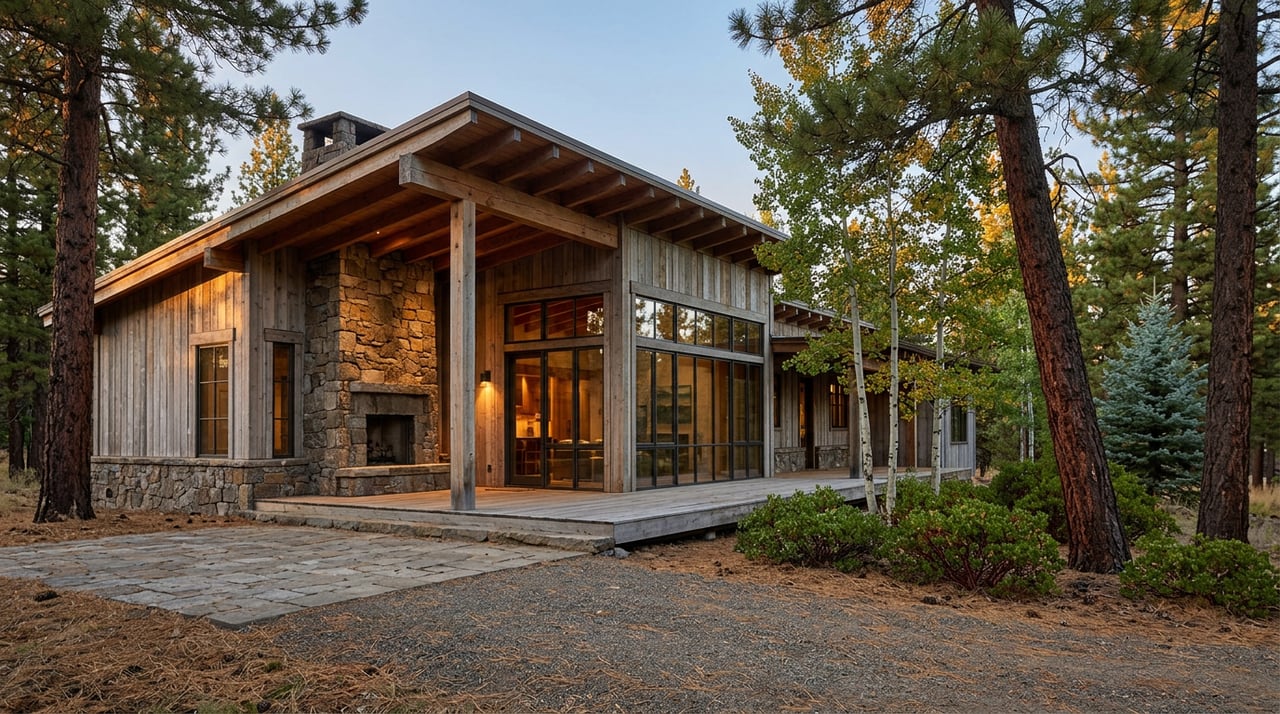
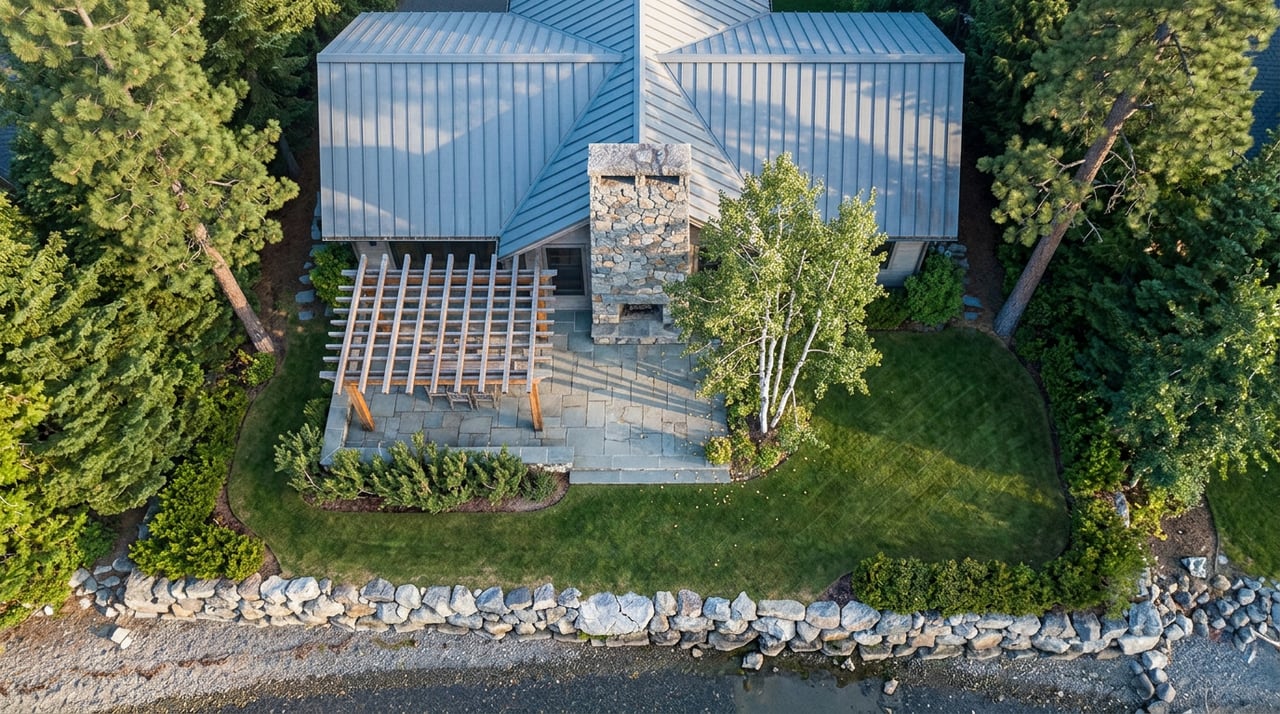
The lakefront tier, roughly 61 properties with pier and beach access on private coves, commands the highest prices and turns over the least often, frequently changing hands between families or long-term owners before a public listing ever gets drafted. The meadow and golf course tier sits around Glenbrook's private nine-hole course, which dates back to the 1920s and remains one of the few private historic courses attached directly to a gated Tahoe lakefront community, offering a classic Old Tahoe feel at a meaningful discount to true frontage. The forested hillside tier delivers the same gate, the same beach and marina privileges, and often sweeping lake views, at the most approachable price point of the three.
A single neighborhood-wide median flattens all three of these into one number, which is a bit like averaging the price of a studio and a penthouse in the same building and calling it the going rate. If you are comparing a forested view lot against a lakefront median, or a golf-course home against a shoreline sale, you are not looking at comparable properties even though the listing might say "Glenbrook" in both cases.
What to Ask Instead of the Median
If the aggregate number will not tell you much, the next question is what will. A few things matter more here than a headline median ever could.
- How many comparable sales in your specific tier, lakefront, meadow, or hillside, closed in the past year, and how many of those were off-market before they reached a buyer.
- What the HOA approval timeline looks like for your intended purchase, since every Glenbrook buyer goes through community approval and that process runs on its own clock, separate from escrow.
- Whether financing needs to be arranged before a showing can even be scheduled, since gated access and the ultra-luxury price tier mean most transactions move on cash or pre-arranged jumbo financing rather than a standard pre-approval letter.
- What the seller's actual motivation and timeline are, since a patient, relationship-driven market rewards buyers who understand they may be waiting on a family's decision rather than a listing agent's marketing calendar.
None of these questions have a clean answer in a monthly data pull. They come from someone who has actually worked a transaction inside the gates, not from a scraped median.
The Number Worth Trusting
Glenbrook's price story will keep looking contradictory as long as you are asking it to behave like a normal market with normal statistics. It was never going to. This is a community that traces to 1860, when Captain Augustus Pray arrived and built the sawmill that made Glenbrook the main timber supplier to the Comstock Lode, one of the oldest settlements on the lake, where roughly 300 homes sit inside a single gate and a meaningful share of them have never touched a public listing in a generation. A median calculated from whatever fraction of that inventory happened to be visible last quarter is not wrong so much as it is answering a question nobody actually needed answered.
The better question is what a specific home, in a specific tier, actually traded for, and whether that sale ever showed up anywhere you could have found it on your own.
If you are trying to understand what a Glenbrook property is genuinely worth, or you are sitting on one and wondering whether this is the year to explore a sale, The Brassie Group works both sides of the California and Nevada line every week and can walk you through the comparables that never made it to a portal. Let's talk about your highest possible return.