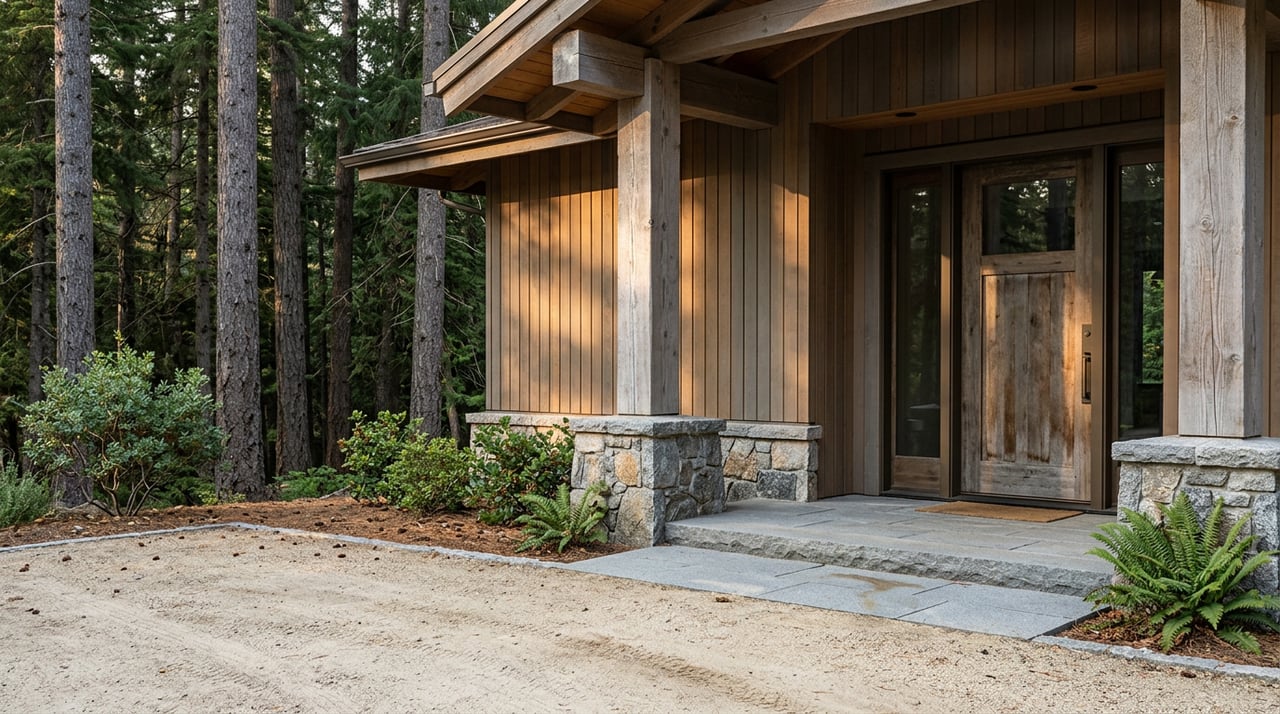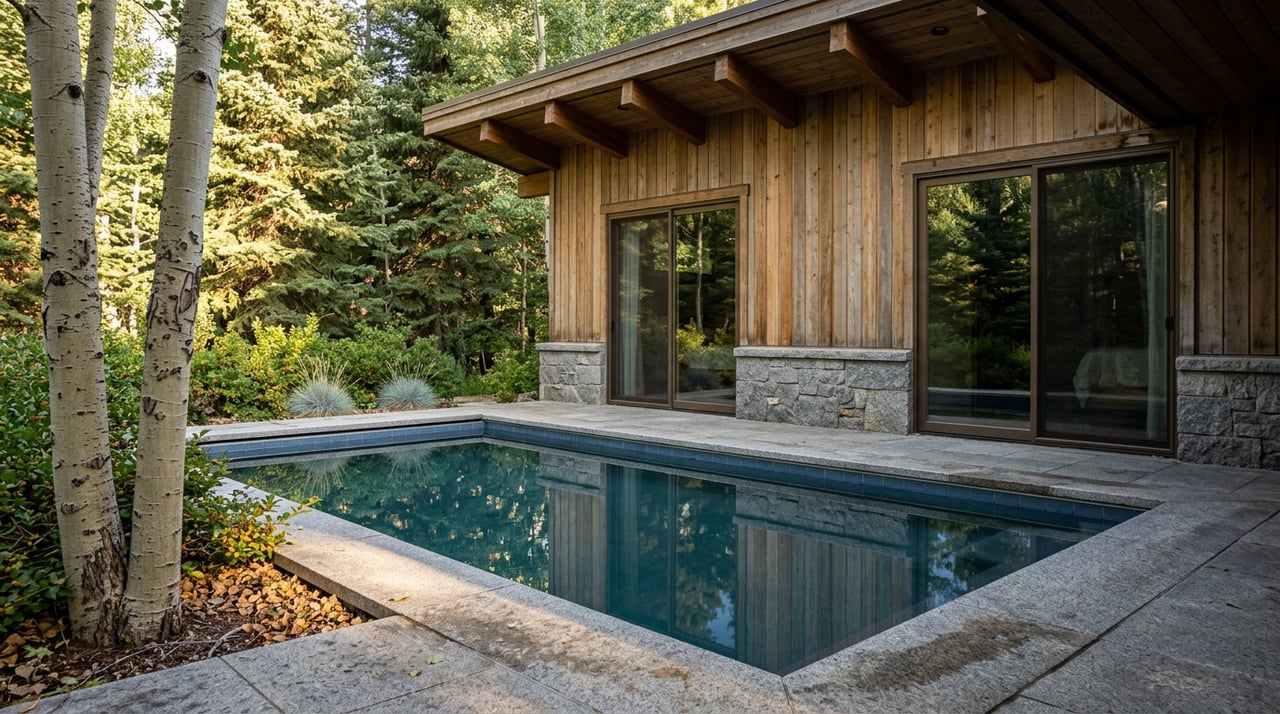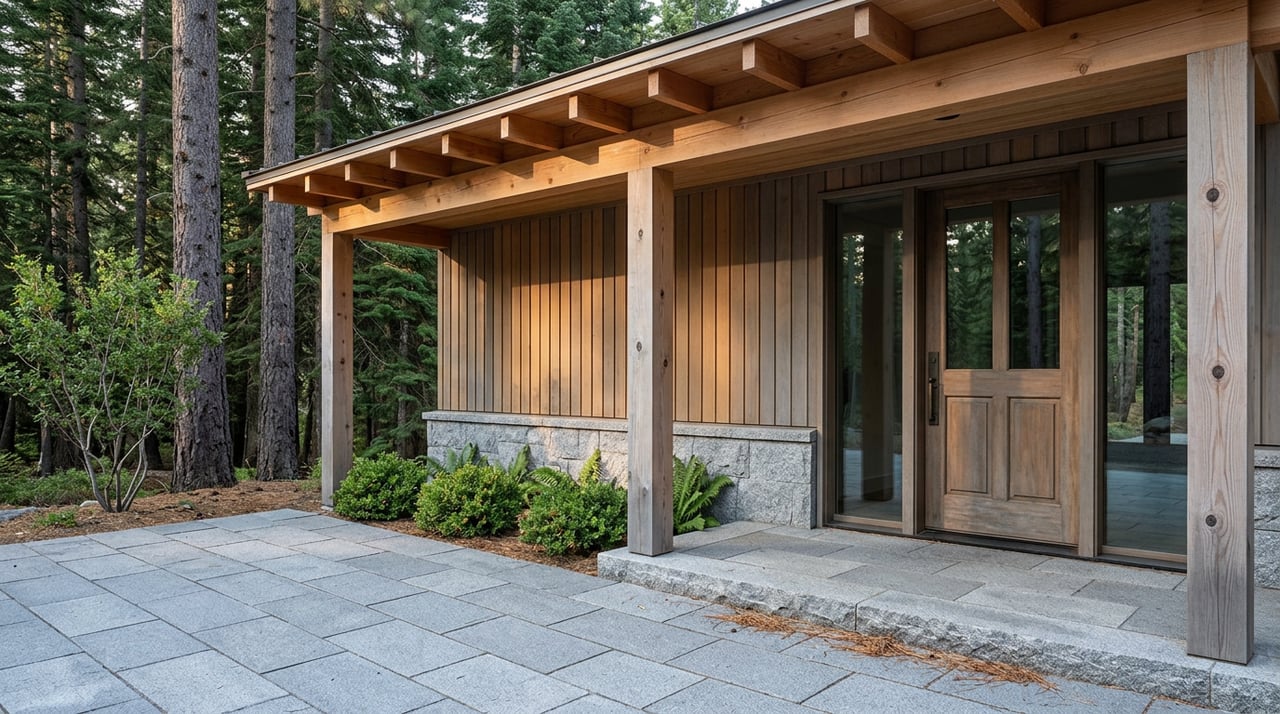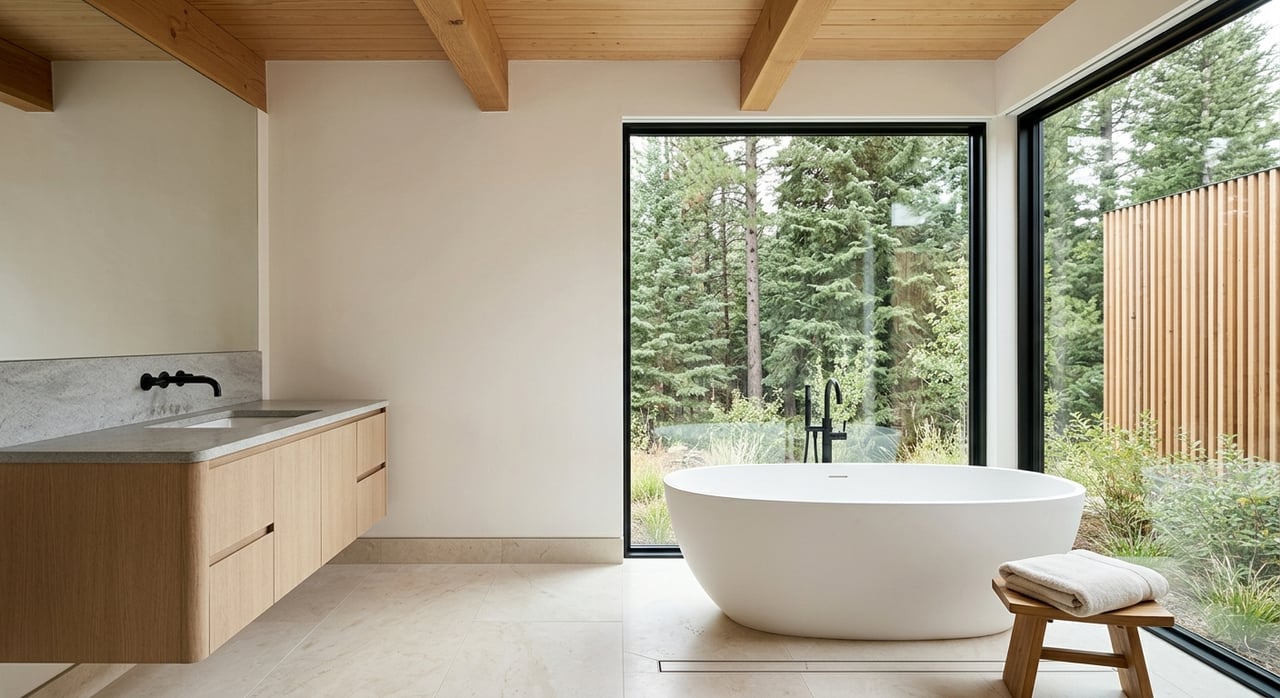
If you are considering Glenbrook, you are probably not just buying a home. You are buying a very specific Lake Tahoe lifestyle shaped by privacy, limited inventory, and Nevada ownership advantages. The key is understanding how those benefits actually work day to day, from gated access and community rules to taxes, transfer costs, and rental limits. Let’s dive in.
Why Glenbrook Stands Out
Glenbrook is one of the most private residential communities on Lake Tahoe’s east shore in Douglas County, Nevada. According to the Glenbrook Homeowners Association, it is a historic rural lakeshore community where only 150 of 750 acres are developed, while nearly 600 acres remain undisturbed.
That low-density land profile matters when you are evaluating long-term value and lifestyle fit. It helps explain why Glenbrook feels more protected and tightly held than many other Tahoe communities, and why available homes can be hard to replace once they are sold.
For many buyers, the appeal starts with controlled access and continues with the sense of space. The HOA oversees community leadership, architectural control, covenant enforcement, events, accounting, and recreation operations, which gives the neighborhood a more structured ownership experience.
Privacy Comes With Structure
Glenbrook’s privacy is not accidental. It is reinforced by gated entry, community oversight, and a defined process for how owners use and maintain property.
The community’s operational documents show shared assets that support that experience, including an entrance gate and a pier-and-buoy field in the HOA’s financial summary. The HOA website also includes gatehouse contact details and resident forms for vehicle, watercraft, and golf cart stickers, which reflects the practical side of living in a controlled-access enclave.
If you value privacy, that can be a major plus. It also means you should expect a more involved review process during escrow, because community operations, access procedures, and use rules are part of the ownership picture.
Amenities Shape Daily Ownership
Glenbrook is more than a collection of luxury homes. It is a community built around managed common assets and lake-oriented recreation.
HOA budget and financial materials reference amenities and operating categories such as buoys, pier, beach, gatehouse, recreation, and snow removal. Those details help paint a clearer picture of what ownership supports financially and what you should review when comparing one property to another.
The Glenbrook Club is a separate private club within the community and describes itself as a private club on Tahoe’s east shore with a 100-year-old golf course. That distinction is important, because buyers should verify what is included with a specific property and what may require separate club eligibility or membership.
What Day-To-Day Living Looks Like
Luxury ownership in Glenbrook also comes with practical responsibilities. The HOA’s FAQ page outlines expectations that matter once you move in.
For example, every member is required to have trash service. The community also provides bear-safe dumpsters for recreational areas, places dog-waste stations throughout the neighborhood, and generally requires pets to be leashed in common elements and beaches.
Water is another important topic in Tahoe ownership. The HOA FAQ explains that the water cooperative is responsible for community water quality and pressure, while owners are responsible for making sure their own piping and fixtures are adequate.
That means your home search should go beyond finishes and views. You also want to understand the condition of the home’s systems, any deferred maintenance, and how shared infrastructure intersects with private ownership responsibilities.
Nevada Tax Advantages Matter
For many buyers, Nevada is not just a location choice. It is also a financial strategy.
According to the Nevada Governor’s Office of Economic Development, Nevada has no personal state income tax, no corporate income tax, no estate tax, no inheritance tax, and no gift tax. For buyers coming from higher-tax states, that can materially change the long-term cost of ownership.
That said, Glenbrook buyers should not treat Nevada as a shortcut to assumptions. Tax planning is personal, and the right way to evaluate the benefit is to look at your intended use, ownership structure, and residency plans alongside your advisors.
How Nevada Property Taxes Work
Property taxes in Nevada are often misunderstood. They are not based on a simple flat-rate approach, and that matters when you are comparing Glenbrook to other luxury markets.
Douglas County explains that property taxes are based on assessed value, and owner-occupied primary residences and qualifying rentals generally receive a 3% annual tax-increase cap. Other property types can be capped at up to 8%, depending on the county and circumstances.
There is also an important first-year wrinkle. New construction or new value may not receive the cap in the first year, so buyers should verify whether the property will be taxed as a primary residence, second home, or rental before they close.
Do Not Forget Transfer Tax
When you budget for a Glenbrook purchase, make sure you include Nevada’s real property transfer tax. The state says the base rate is $1.95 for every $500 of value or fraction thereof, and Douglas County does not add a county surcharge to that base rate.
For luxury purchases, that is not a small line item. It should be part of your full closing-cost analysis early in the process, not something you leave to the end.
HOA Review Is Essential
In Glenbrook, exterior improvements are not informal. The Design Review Committee requires approval for new construction, major repairs, and many exterior changes, including painting, roofing, driveway pavers, window changes, landscaping enhancements, and major remodels that alter the exterior.
This is a major consideration if you are buying with renovation plans in mind. A home may check every box on location and privacy, but your ability to update or expand it can depend on community review requirements.
That is why buyers should evaluate more than the property itself. You also want to assess how your goals align with Glenbrook’s architectural and design-control framework before you remove contingencies.
The Resale Package Matters
Nevada’s common-interest-community rules make the resale package one of the most important parts of due diligence. The Nevada Real Estate Division states that a resale package must be furnished within 10 calendar days after a written request, remains effective for 90 calendar days, and includes core documents such as the CC&Rs, bylaws, rules, buyer information statement, budget, financials, reserve information, and fee disclosures.
In Glenbrook, this package is especially valuable because it helps you understand monthly dues, reserve health, transfer charges, and any current or expected assessments. In a community with shared infrastructure and design controls, those details are central to an informed purchase.
Rental Plans Need Careful Verification
If you are buying with rental income in mind, Glenbrook requires very careful parcel-level review. Douglas County’s current VHR code makes it unlawful to rent a dwelling unit for 28 consecutive days or less without a permit, and permit issuance is discretionary.
The county also specifically bars new permits in non-affiliated Glenbrook parcels. In subareas such as Glenbrook South - Single Family, Glenbrook Inn, Glenbrook Multi Family, Glenbrook North, and Pray Meadow, permits are capped at 15% density and in some cases may only be used by owners who also own property within the same residential community.
The takeaway is simple: do not assume a property can be used as a short-term rental just because it is in Glenbrook. Rental strategy should be verified before closing, parcel by parcel, using the county rules that apply to that exact address.
Inventory Is Limited By Design
Glenbrook is not a market where you can expect broad, constant selection. Public market trackers cited in the research show a very small number of homes for sale, with pricing in the luxury range and marketing times that reflect a low-turnover environment.
While public counts vary by source and timing, the broader pattern is consistent. Glenbrook is a small, expensive, tightly held market, and that scarcity lines up with the community’s limited developed footprint.
For you as a buyer, that changes the strategy. Success often comes down to preparation, timing, and having guidance that can quickly sort through HOA documents, county rules, and property-specific constraints when the right opportunity appears.
How To Buy Smart In Glenbrook
If Glenbrook is on your shortlist, focus on more than price and views. A strong buying process should also account for the layers that make this market unique.
Here is a practical checklist:
- Confirm whether the property’s use aligns with your plans for primary, second-home, or rental ownership.
- Review the resale package carefully for dues, reserves, rules, fees, and assessments.
- Verify any short-term rental assumptions with Douglas County before closing.
- Study design-review requirements if you plan to remodel, expand, or update exterior features.
- Budget for transfer tax and evaluate Nevada property-tax treatment based on intended use.
- Understand which amenities are HOA-based and which may depend on separate club access or eligibility.
In a market this limited, clarity creates leverage. When you know exactly what you are buying, you can move with more confidence and avoid expensive surprises later.
Glenbrook can be an exceptional fit if you want a private, low-density Lake Tahoe setting with structured community stewardship and Nevada tax advantages. The right purchase is not just about finding a beautiful property. It is about matching the home, the parcel, and the ownership rules to the way you actually plan to live. If you want experienced guidance on buying in Glenbrook and the broader Nevada side of Tahoe, connect with The Brassie Group for a calm, informed, high-touch approach.
FAQs
What makes Glenbrook different from other Lake Tahoe communities?
- Glenbrook stands out for its gated setting, limited development footprint, managed common assets, and private-club adjacency within a low-turnover east shore Nevada location.
What should buyers know about Glenbrook HOA rules before purchasing?
- Buyers should review the resale package, CC&Rs, rules, dues, reserve information, and design-review standards carefully because exterior changes and certain ownership activities are regulated.
What are the Nevada tax advantages of buying in Glenbrook?
- Nevada offers no personal state income tax, no estate tax, no inheritance tax, no gift tax, and no corporate income tax, which can be attractive for buyers comparing long-term ownership costs.
Can you use a Glenbrook home as a short-term rental?
- You should verify that directly before closing, because Douglas County requires permits for rentals of 28 days or less, permit issuance is discretionary, and Glenbrook subareas have specific limits and restrictions.
Why is Glenbrook inventory often limited?
- Inventory is limited because Glenbrook is a small, low-density community where only a portion of the total acreage is developed, which naturally constrains supply and turnover.