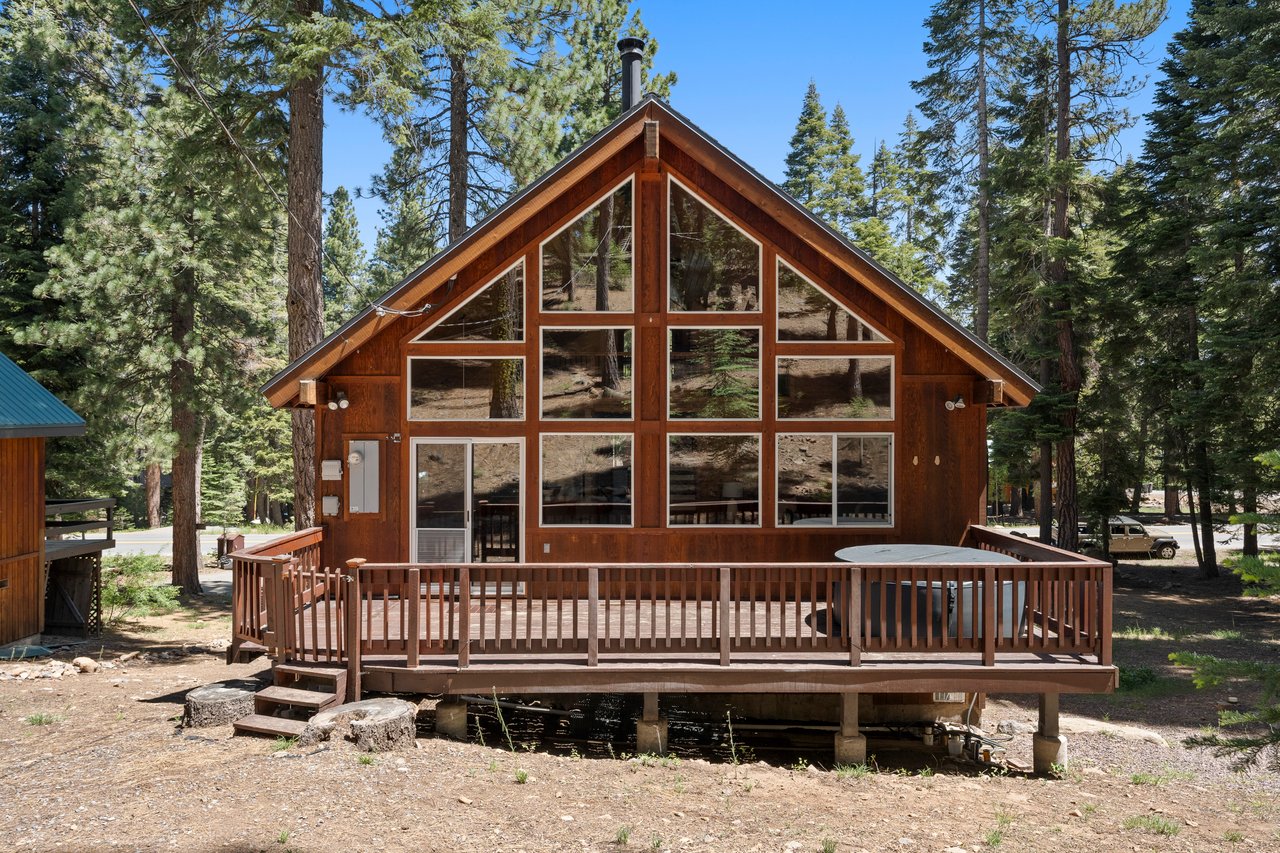
If you are narrowing your Tahoe City home search, these three options can feel similar at first glance. In reality, Dollar Point, Tahoe Park, and Downtown Tahoe City offer very different day-to-day ownership experiences. This guide will help you compare privacy, access, amenities, and lifestyle so you can focus on the setting that fits the way you want to live. Let’s dive in.
Three Tahoe City lifestyles
The biggest difference between these areas is not just location. It is the ownership model behind the location.
Dollar Point is built around a voluntary association with private recreational facilities. Tahoe Park is shaped by a property-based beach association with seasonal gate access. Downtown Tahoe City is a public-facing town center with mixed-use activity, walkability, transit access, and public shoreline amenities.
For many buyers, that distinction matters more than a map pin. You are not only choosing a home. You are choosing how you will access the lake, how private your surroundings feel, and how much your daily routine depends on public amenities versus association benefits.
Dollar Point: private amenities first
Dollar Point tends to appeal to buyers who want a more private, amenity-rich ownership experience near Tahoe City. The Dollar Point Association describes itself as a nonprofit, voluntary association for property owners, and its official materials highlight private recreational facilities for members.
Those facilities go beyond simple beach access. The association references a pool, beach, pier, tennis courts, buoys, and kayak or paddleboard storage. That combination creates more of a club-style ownership feel than a basic neighborhood setup.
Another important detail is access. Dollar Point states that its facilities are for members only, and short-term renters are not allowed access to DPA facilities. If you are buying primarily for your own use, that may feel like a benefit. If renter flexibility is high on your list, it is a meaningful limitation to weigh.
What the homes feel like
TRPA classifies Dollar Point as a residential subdistrict where single-family dwellings are the primary allowable housing type at one unit per parcel. In practical terms, that supports a lower-density, detached-home environment rather than a compact condo or mixed-use setting.
Dollar Point is also described as being just east of Tahoe City. That gives you proximity to town without placing you in the commercial core. For many second-home buyers, that balance is a big part of the appeal.
Best fit for Dollar Point
Dollar Point may be the strongest match if you want:
- Private recreational amenities
- A detached-home neighborhood feel
- Access to pool, tennis, pier, beach, and storage facilities
- A second-home setup geared more toward owner use than short-term renter amenity access
For winter convenience, Tahoe City still works well as a base. Palisades Tahoe’s travel information points riders toward Tahoe City and the Tahoe City Transit Center as part of its shuttle and TART access pattern.
Tahoe Park: shoreline access first
Tahoe Park offers a different kind of value. Here, the identity is more directly tied to the lake.
The Lake Tahoe Park Association says it was established in 1938 and is exclusively for property owners in Section 13. Membership transfers with the property and cannot be purchased separately. That means the beach association is closely tied to ownership itself, not added on separately.
The park is accessible through a card-entry gate during the summer season. Amenities include picnic tables, bocce ball courts, volleyball, piers, a bike rack, a playground, boat buoys, and kayak racks. The association also notes that it has two piers, and 50 boat buoys are available to members through a lottery.
How Tahoe Park access works
Tahoe Park is more shoreline-centered than resort-centered. Its policies focus heavily on beach and water use.
There is a defined swim area between the piers. Boats and personal watercraft cannot use the beach area for loading, unloading, or beaching. Member boats may use the piers for loading and unloading only, not long-term mooring.
One key difference from Dollar Point is guest and renter access. Tahoe Park states that members, renters, and their guests with key cards may enter the park. Short-term renters may also reserve picnic tables, subject to association rules.
What the homes feel like
Like Dollar Point, Tahoe Park or Pineland is classified by TRPA as a residential subdistrict with single-family dwellings at one unit per parcel. That points to a classic low-density residential neighborhood rather than a mixed-use district.
The difference is the emphasis. Tahoe Park generally feels more lake-access-first. It is quieter than downtown and more directly oriented around the shoreline than Dollar Point.
Best fit for Tahoe Park
Tahoe Park may be the best fit if you want:
- A traditional Tahoe beach association tied to the property
- Strong lake access identity
- Piers, buoy opportunities, and shoreline amenities
- A quieter residential setting
- More flexibility for renters and guests to use the park within association rules
It also remains reasonably positioned for winter trips, since Tahoe City is part of the broader mountain access network for regional transit and ski travel.
Downtown Tahoe City: convenience first
Downtown Tahoe City is the most public and active of the three choices. If you want to step into a town-center lifestyle, this is the option that most clearly delivers it.
Placer County describes the area as a pedestrian- and transit-oriented environment with retail, restaurants, services, tourist accommodation, and easy access to the lake and recreation. The county also notes that downtown sees heavy pedestrian and bicycle activity, especially in summer.
That language matters because it reflects how the area is planned and experienced. Downtown is not simply a neighborhood near amenities. It is the center of those amenities.
Public amenities shape daily life
Commons Beach is a major part of downtown living. It is a public lakefront park in the heart of Tahoe City with lake access, picnicking, a playground, restrooms, shared-use trails, and open gathering space.
Tahoe City PUD says Commons Beach hosts summer concerts and a farmers market. Nearby, 64 Acres Lakeside Park adds bike trail access, parking, and a location next to the TART Transit Center.
The Tahoe City Transit Center itself includes a bus loop for six regional buses, parking for 130 cars, bike lockers, restrooms, and an indoor waiting area. Together, these public features create a more connected and active day-to-day environment than you will typically find in Dollar Point or Tahoe Park.
What the homes feel like
Downtown Tahoe City is also the most mixed-use in terms of land use. TRPA’s Tahoe Basin Area Plan shows the Greater Tahoe City town center as a mixed-use district rather than a purely residential one.
The land-use tables allow both single-family and multiple-family dwellings alongside retail and service uses. Placer County also notes that part of the town center is zoned for offices, single- and multi-family dwellings, food and beverage retail, general merchandise sales, and recreational uses.
That makes downtown the most likely of the three areas to support a compact, mixed-use, or condo-adjacent ownership experience. If walkability and convenience lead your list, that can be a real advantage.
Best fit for Downtown Tahoe City
Downtown may be the best fit if you want:
- Walkability to services and dining
- Public shoreline access
- Proximity to events and seasonal activity
- Transit access and regional connectivity
- A mixed-use environment with a more urban village feel
This choice is less about private HOA amenities and more about access, convenience, and being in the middle of Tahoe City life.
Side-by-side: which one fits you?
Here is the simplest way to think about the three.
Area | Core identity | Access style | Housing feel | Best for |
|---|---|---|---|---|
Dollar Point | Private amenity community | Voluntary association, members-only facilities | Low-density single-family | Buyers who want private recreation and owner-focused use |
Tahoe Park | Property-tied beach association | Seasonal gate access tied to ownership | Low-density single-family | Buyers who prioritize shoreline access and a classic beach-club setup |
Downtown Tahoe City | Public town center | Public lake, transit, parking, and walkable services | Mixed-use, single-family and multi-family potential | Buyers who want convenience, activity, and public amenities |
How to choose with confidence
A good Tahoe City home search starts with clarity about your lifestyle priorities. If you lead with private amenities, Dollar Point deserves a close look. If direct shoreline identity matters most, Tahoe Park often rises to the top. If you want to walk to services, enjoy public lakefront spaces, and stay connected to transit and events, downtown usually stands out.
The right answer is rarely about which area is objectively better. It is about which ownership model best supports how you plan to use the home, whether that means private second-home living, lake-centered weekends, or a more walkable town-based routine.
In a market like Tahoe City, that kind of fit matters. It shapes everything from your summer rhythm to how guests experience the property and how the home functions across seasons.
If you want help comparing Tahoe City neighborhoods at a more granular level, including off-market opportunities and lifestyle fit, The Brassie Group offers a polished, high-touch approach tailored to Lake Tahoe buyers and sellers.
FAQs
What is the main difference between Dollar Point, Tahoe Park, and Downtown Tahoe City?
- Dollar Point centers on private association amenities, Tahoe Park centers on a property-tied beach association and shoreline access, and Downtown Tahoe City centers on public amenities, walkability, and mixed-use town life.
Does Dollar Point in Tahoe City allow short-term renters to use neighborhood amenities?
- No. Dollar Point Association states that short-term renters are not allowed access to DPA facilities.
Can Tahoe Park renters use the beach association amenities in Tahoe City?
- Yes, according to the association’s gate-entry policy, renters and their guests with key cards may enter the park, subject to the association’s rules.
What kinds of homes are most common in Dollar Point and Tahoe Park?
- TRPA classifies both areas as residential subdistricts where single-family dwellings are the allowable residential type at one unit per parcel.
What makes Downtown Tahoe City different from Tahoe neighborhoods with private access?
- Downtown Tahoe City is shaped by public shoreline access, retail and services, pedestrian and bike activity, transit access, and a mixed-use land-use pattern rather than private association amenities.