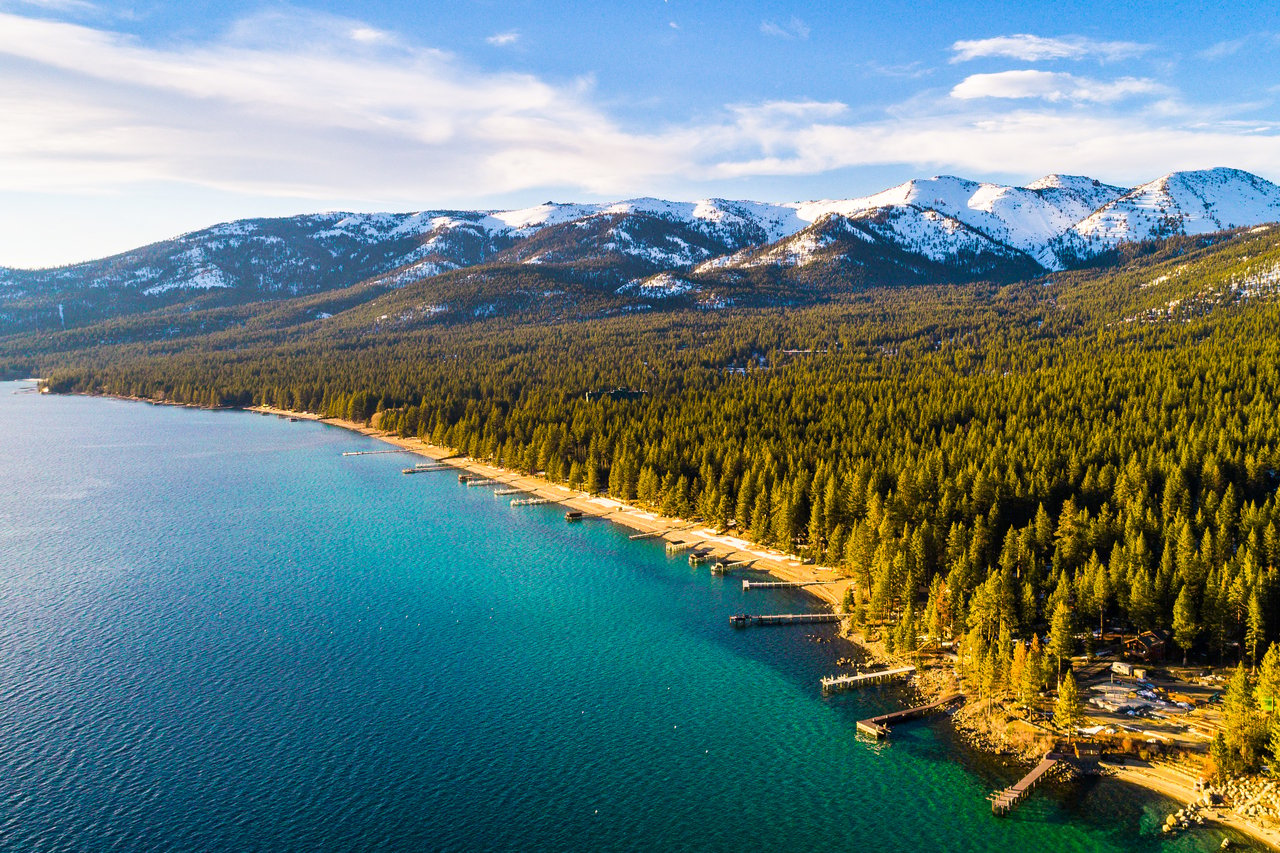
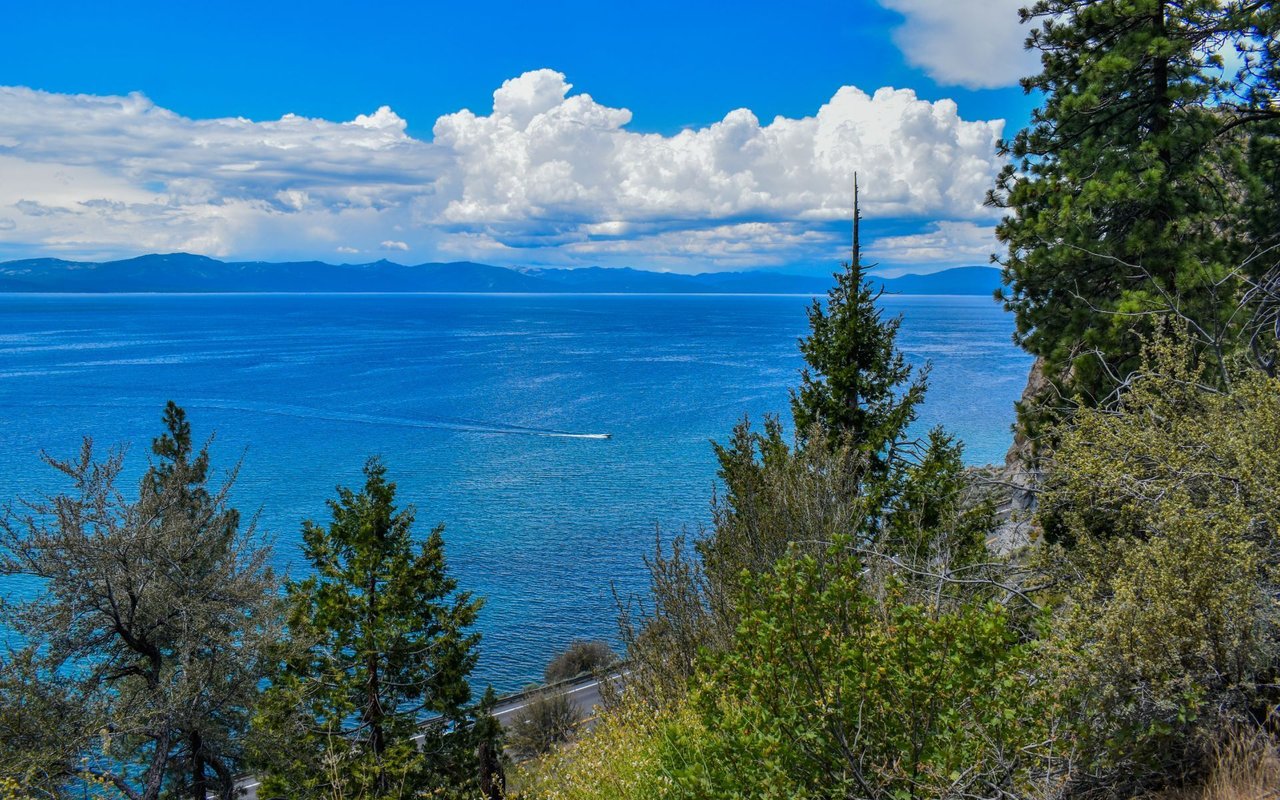
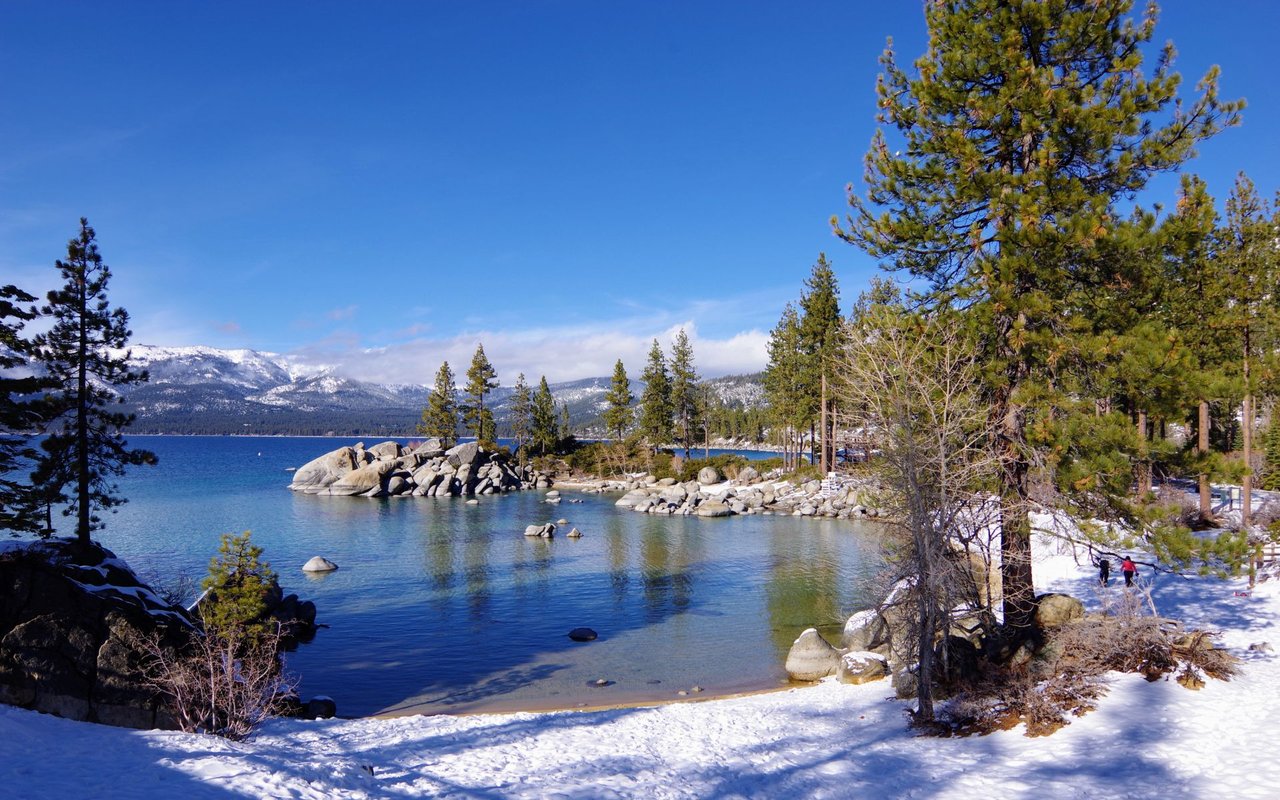
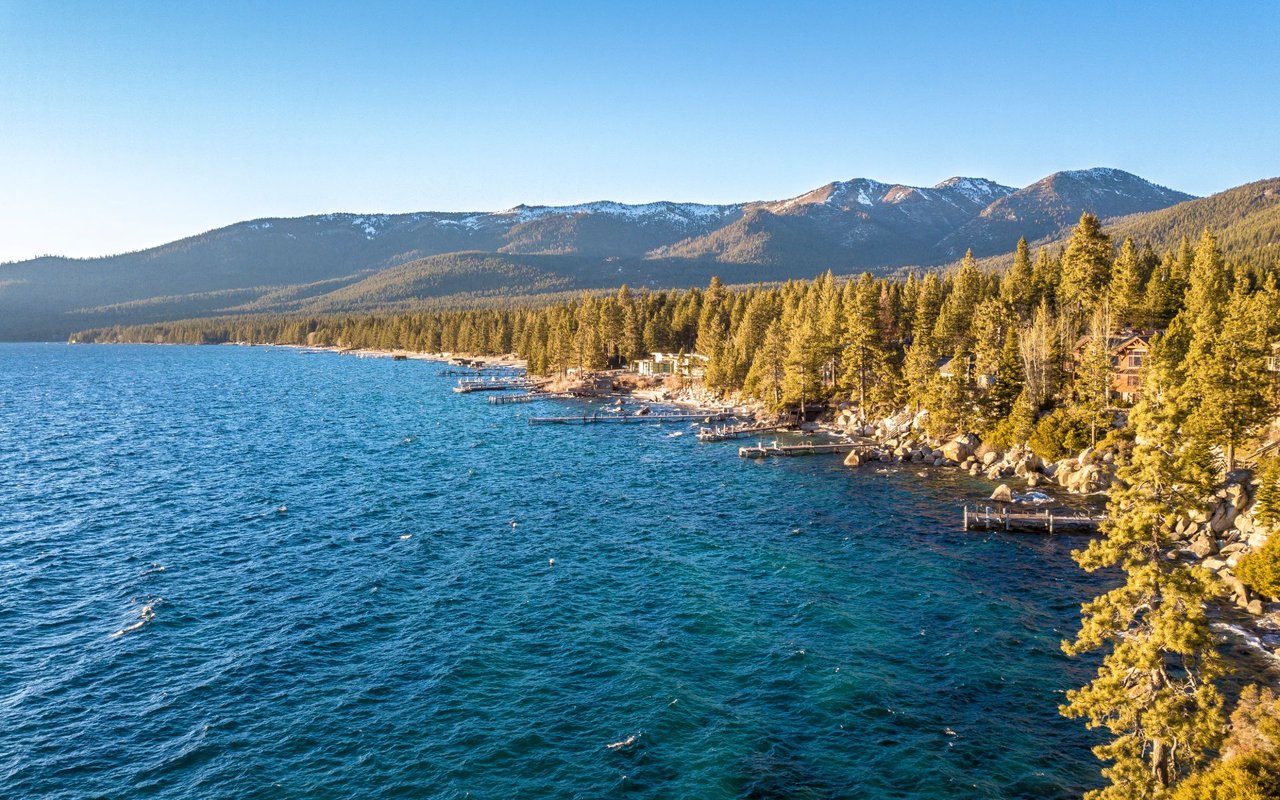
Tahoe City sits at the top of the Truckee River where it spills out of Lake Tahoe, on the lake's northwest shore, surrounded by national forest and within 20 minutes of more ski terrain than almost anywhere in North America. It is the social and commercial hub of the North Shore - walkable, charming, genuinely four-season - and home to some of the most sought-after luxury real estate on the California side of the lake.
If you're looking for homes for sale in Tahoe City, Tahoe City luxury real estate, or Lake Tahoe lakefront homes, this is everything you need to know about the community, the market, and what ownership here actually looks like.
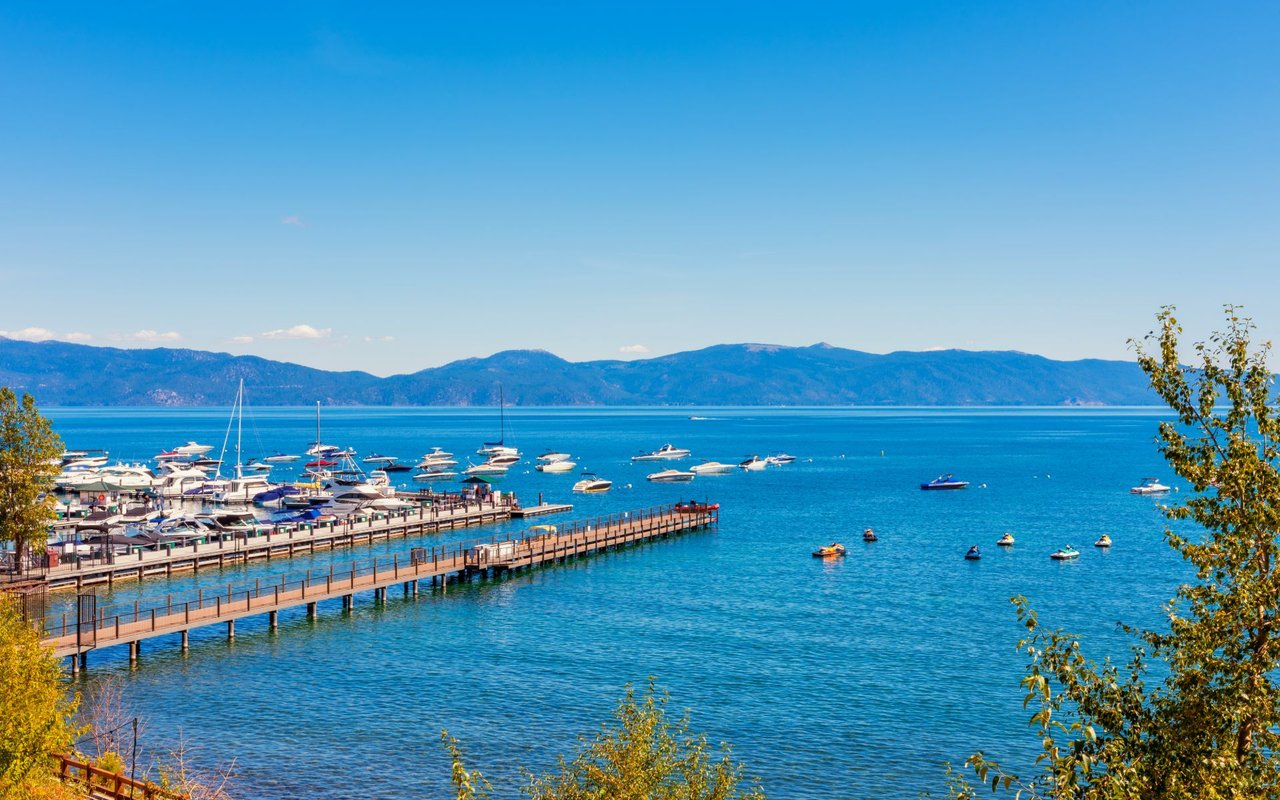
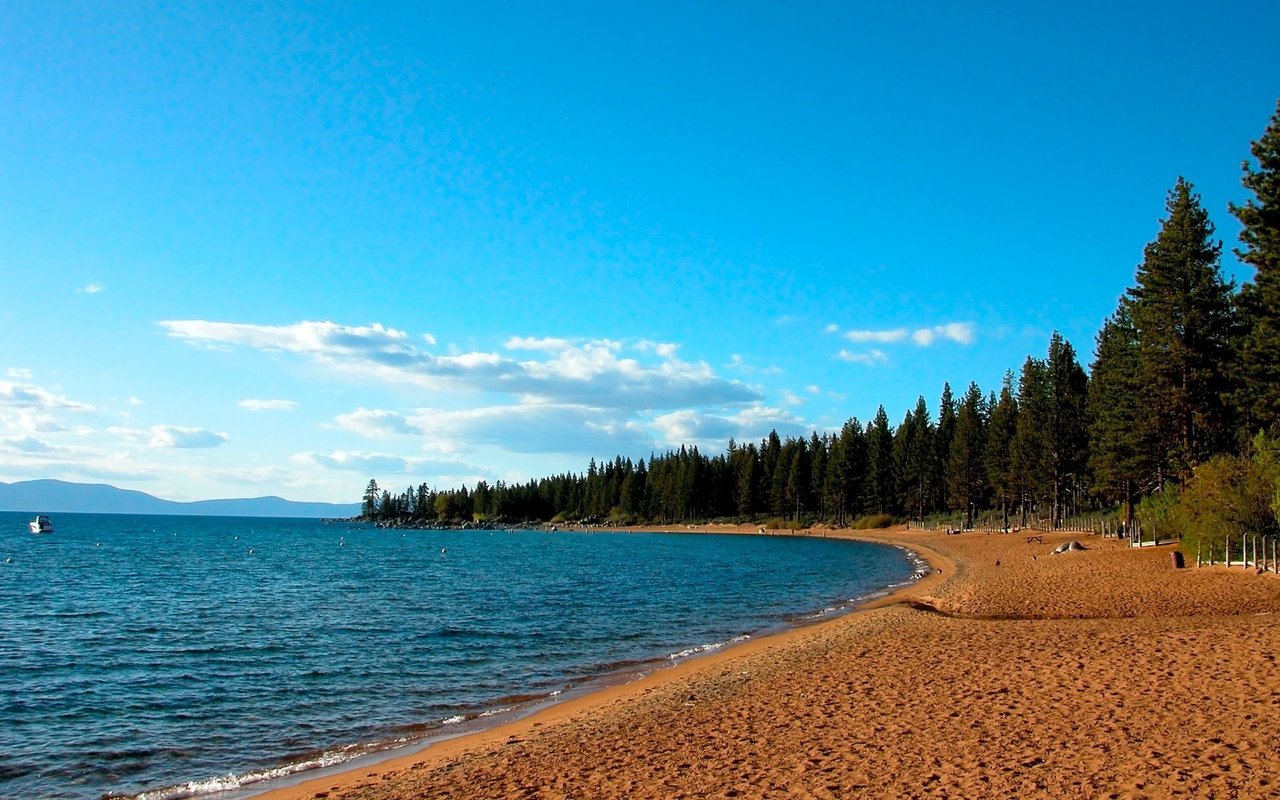
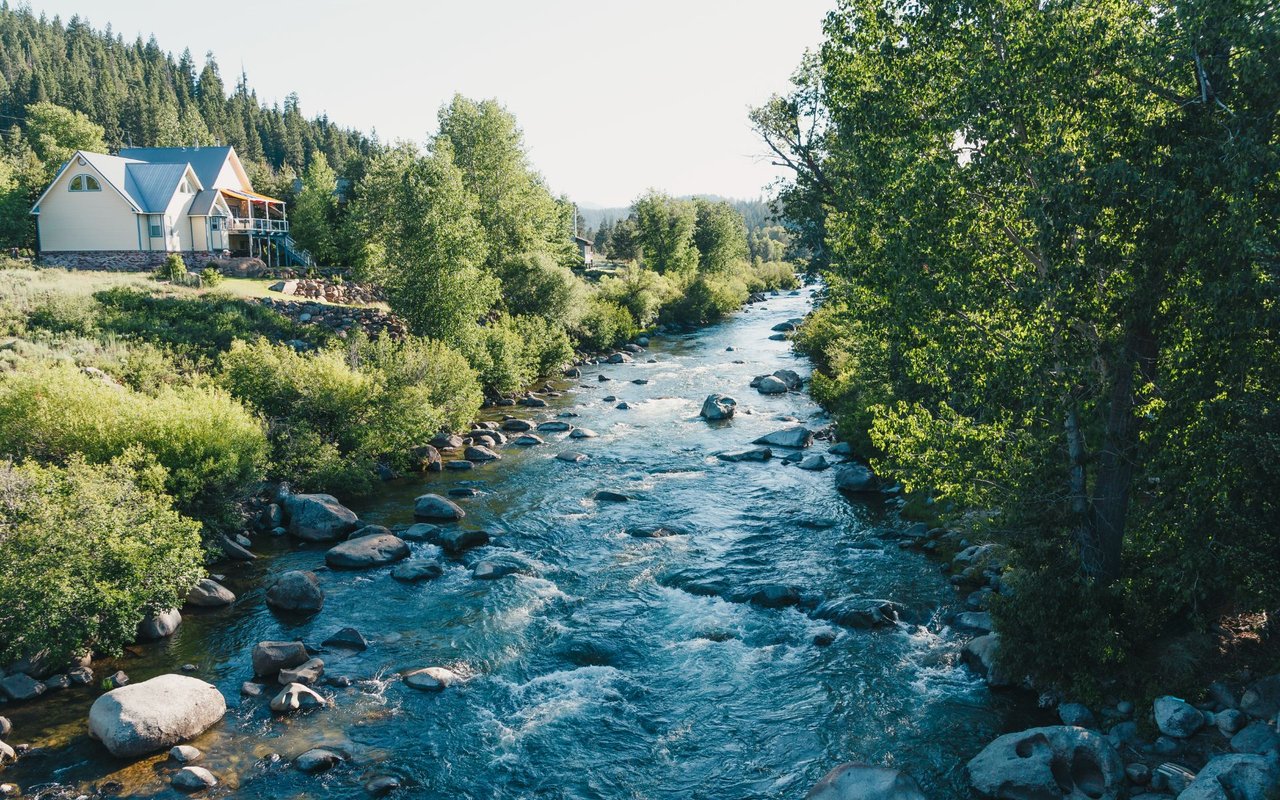
Most Tahoe communities don't have a real town center. Tahoe City does. North Lake Boulevard runs through the core with restaurants, coffee shops, surf and ski shops, boat rentals, a farmers market, a nine-hole golf course, and a public beach all within walking distance of each other. The Tahoe City Marina sits right on the water. Skylandia State Park and Pomin Park are minutes away. The Truckee River Bike Path, one of the most scenic paved trails in the Sierra, runs from downtown toward Truckee through open meadow and riparian forest.
That walkability and energy - uncommon for a mountain town of this size - is one of the defining characteristics of Tahoe City real estate and a key reason why buyers who want a true residential lifestyle on the lake, not just a weekend retreat, consistently gravitate here. You can walk to dinner, bike to the beach, and ski Palisades Tahoe on the same day. Not many places in the world offer that.
Flanking Tahoe City to the north and south are Dollar Point and Chamberlands - two of the most desirable HOA communities on the North Shore. To the south, the West Shore corridor extends toward Homewood, Sunnyside, Tahoma, and Rubicon Bay. The Gold Coast - the stretch of shoreline between Sunnyside and Homewood - is widely considered the most coveted lakefront real estate on the California side of Lake Tahoe.
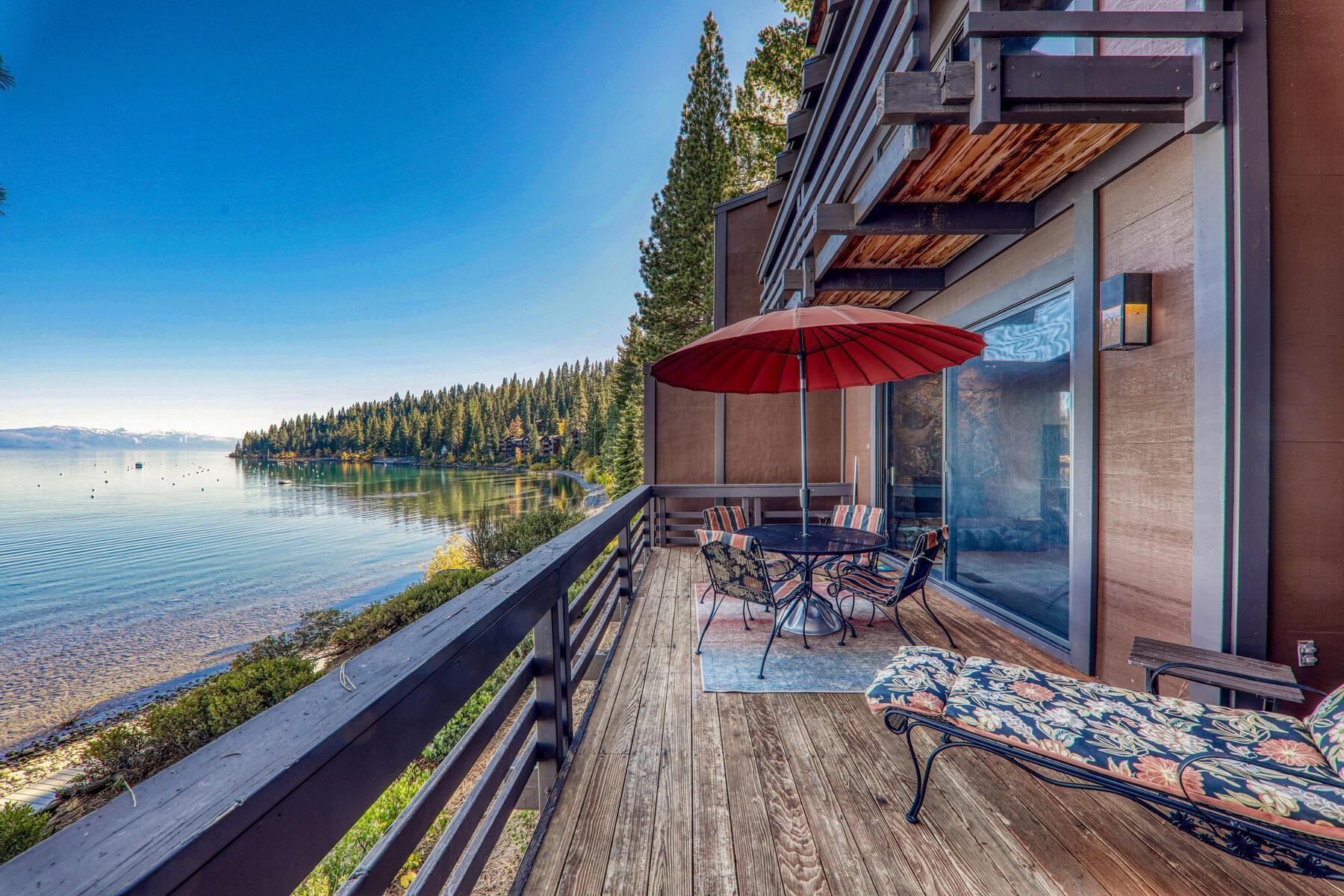
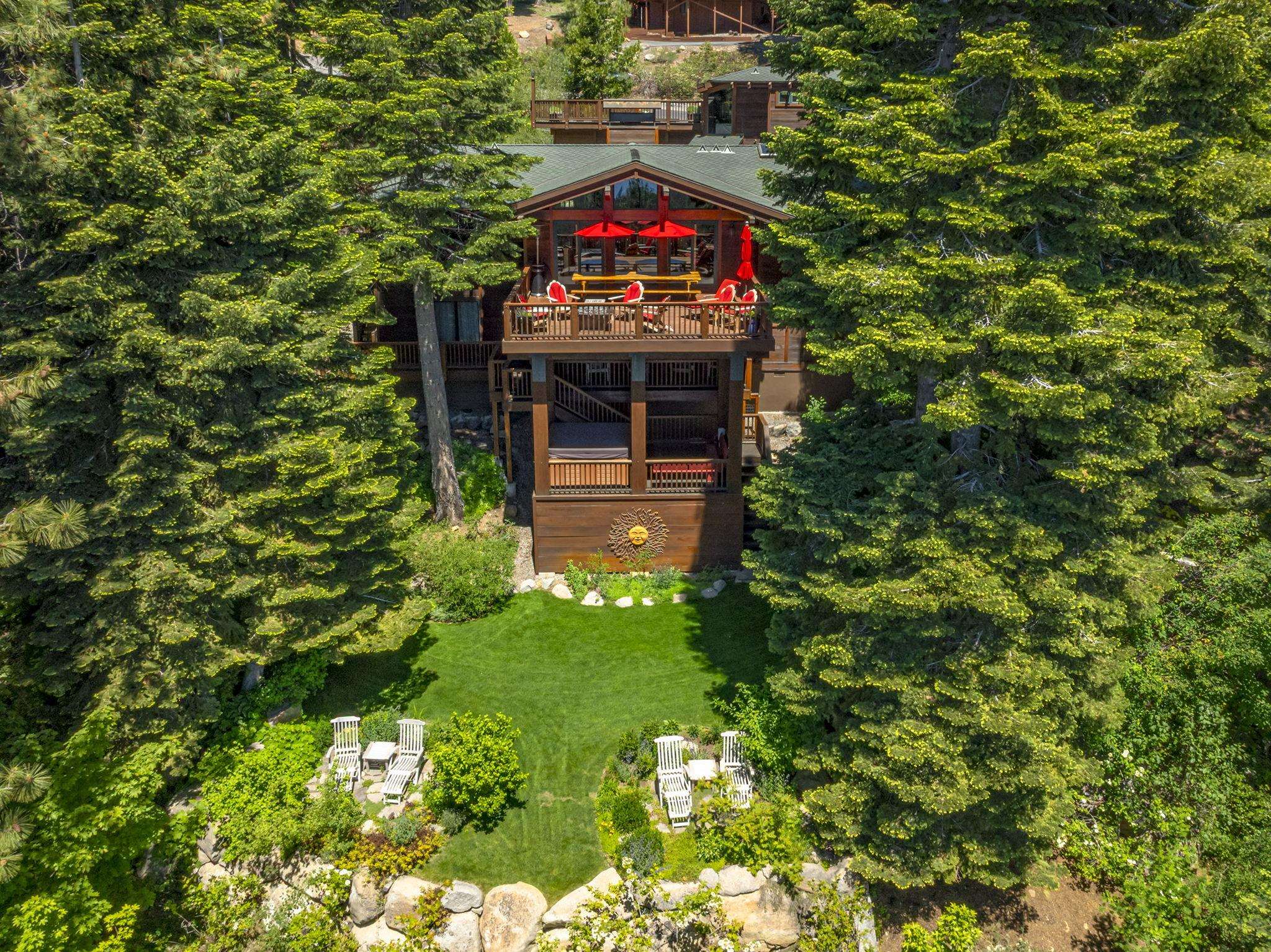
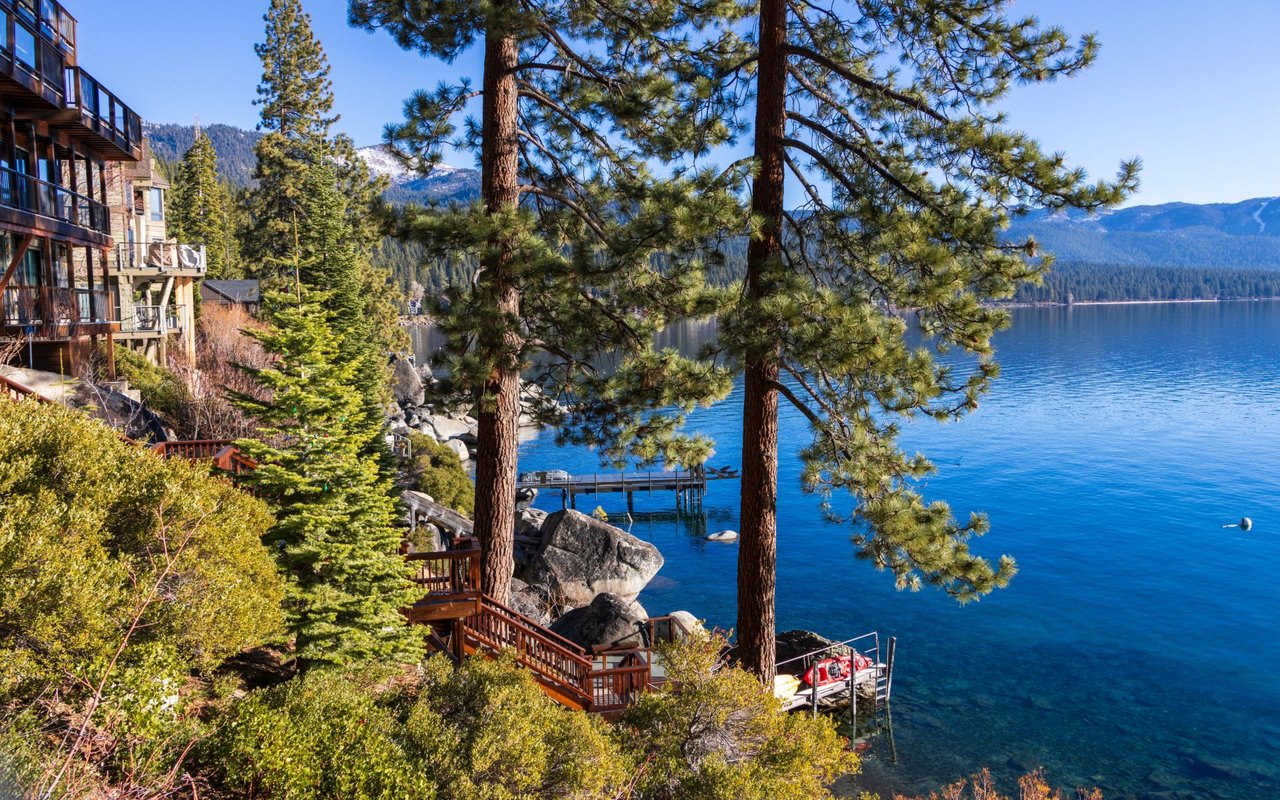
The West Shore is where Tahoe City's luxury market hits its ceiling and its most distinctive character. South of downtown, along State Route 89, the shoreline transitions from public access to a series of grand private estates set back among mature pines, with 100-foot-plus lake frontage, private piers, and views across the lake toward Nevada that glow at sunset.
This stretch - loosely defined as Sunnyside south to Homewood - has long been called the Gold Coast, and the name holds up. The properties here are old-money in the best sense: substantial, private, forested, built around the water and not just adjacent to it. Many have storied histories and have passed through prominent California families for decades. The lake is deeper on the West Shore, which allows for serious private piers and boat lifts that simply aren't possible in the shallower north-shore areas. If you're a serious boater and the summer experience on the water is central to why you're buying at Tahoe, the West Shore is worth understanding at a granular level.
Sunnyside sits at the northern end of this corridor, anchored by the iconic Sunnyside Restaurant and Lodge - one of the oldest lake-facing dining spots on the North Shore. Properties here range from historic cabins with filtered lake views to substantial estates with private waterfront. It's an area that still has the soul of what people imagine when they picture "Lake Tahoe."
Homewood offers the most secluded and forested feel on the West Shore, with estates tucked deeply into pine stands and some of the longest private beach runs on the California side. Privacy is the premium commodity here.
Tahoe Park is one of the most coveted HOA communities in the Tahoe City area and a name that serious North Shore buyers know well. The Tahoe Park HOA provides access to a private lakefront park with two piers, a swim area, a buoy field, BBQ and picnic areas, and volleyball courts - a meaningful amenity package for a North Shore neighborhood. Homes in Tahoe Park range from updated mountain cabins to larger lake-view custom homes, and Pine Avenue - the primary street running through the neighborhood toward the lake - is one of the most recognizable addresses in the area for buyers who want proximity to the water, HOA pier access, and genuine Tahoe character.
Tahoe Pines sits just south of Homewood on the West Shore, offering a quieter, more secluded residential environment. Larger lots, heavier forest coverage, and deep privacy characterize the neighborhood. It's primarily single-family homes, many with lake views, and the pace here is decidedly more removed from the bustle of downtown Tahoe City - which is exactly why its residents love it.
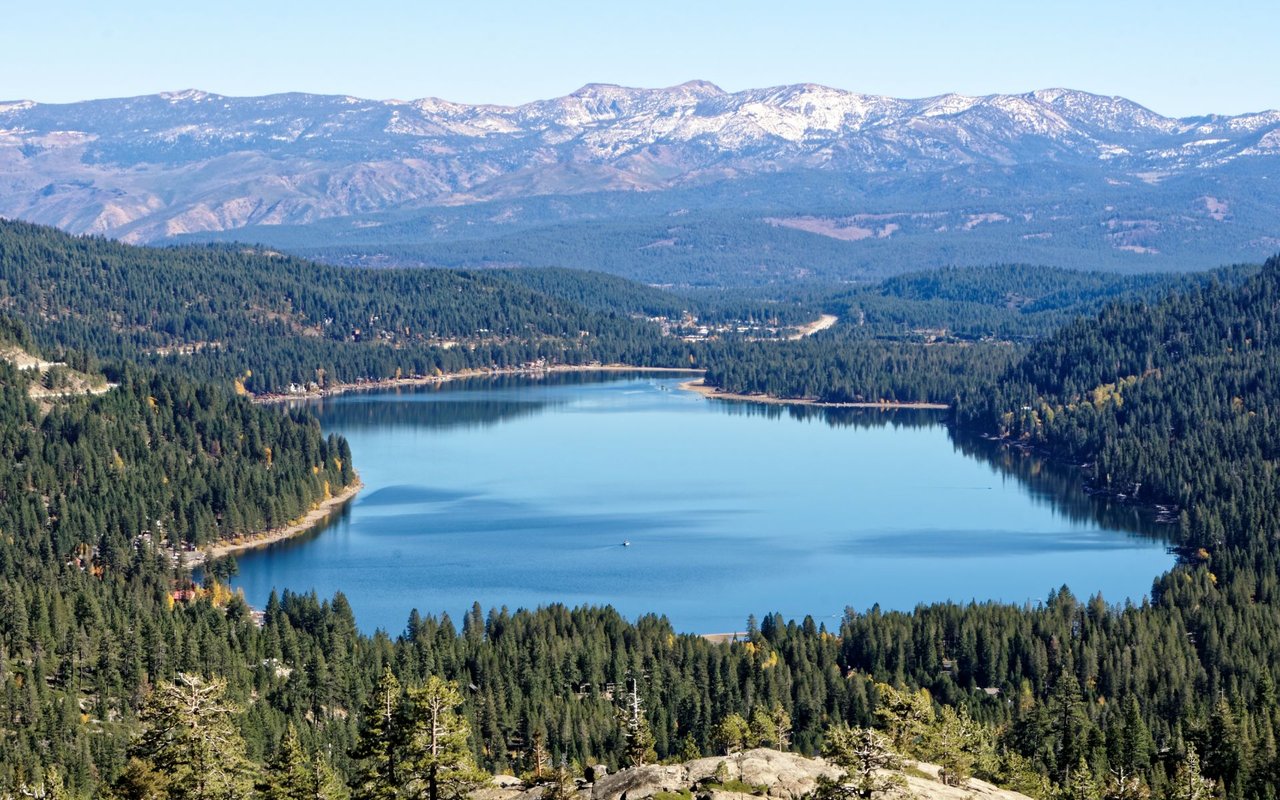
Dollar Point, located roughly three miles east of Tahoe City on the north shore, is one of the most amenity-rich non-lakefront communities in the region. The Dollar Point Association (membership optional) maintains a private lakefront beach with a pier and buoy field, an outdoor pool, tennis and pickleball courts, bocce ball, and picnic areas. There are approximately 569 single-family parcels in the subdivision, of which roughly 39 are true lakefront. About 40% of homes have some form of lake view. HOA membership costs approximately $1,200 per year, with an initiation fee for properties that are not current members. Dollar Point is centrally located between Tahoe City and Palisades Tahoe, and adjacent to Tahoe Cross Country Nordic Center - one of the best groomed cross-country trail systems in the Sierra Nevada.
Tahoe City is the access point for more four-season outdoor recreation than almost any comparably sized town in the American West.
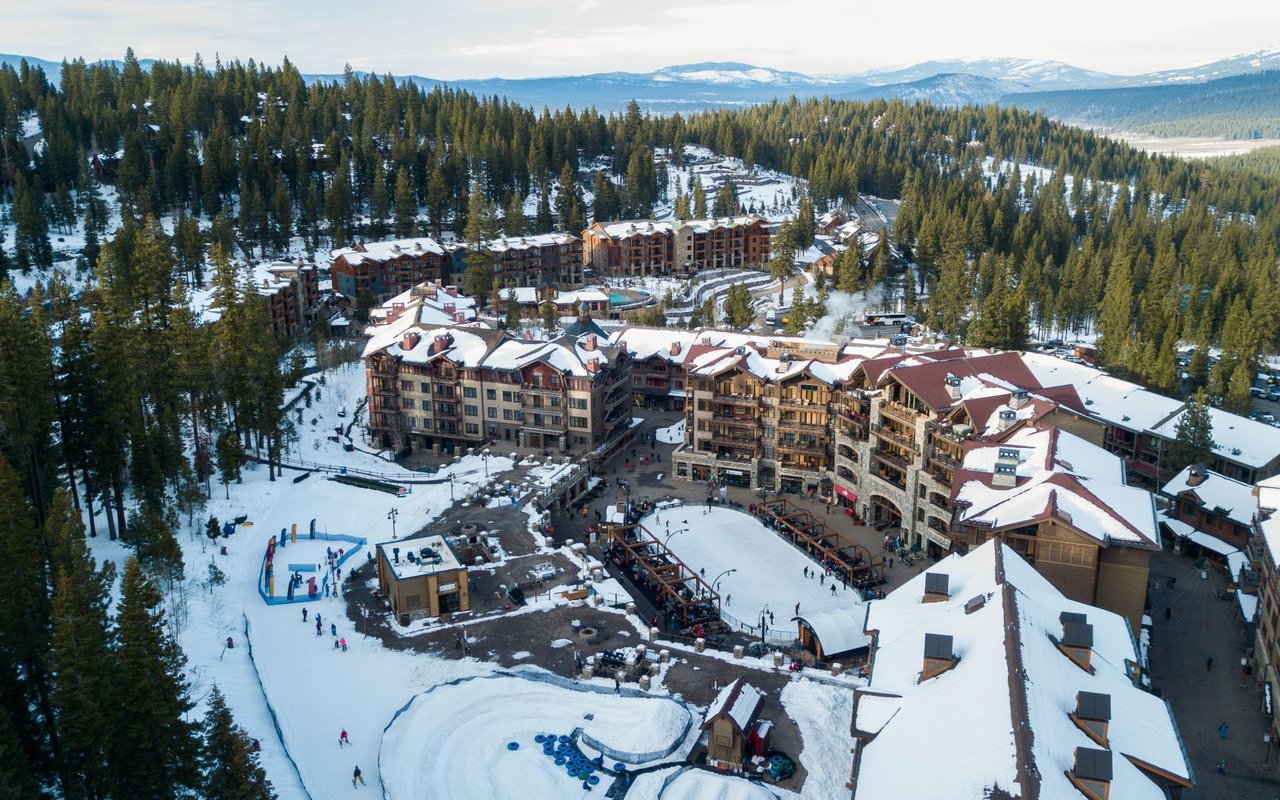
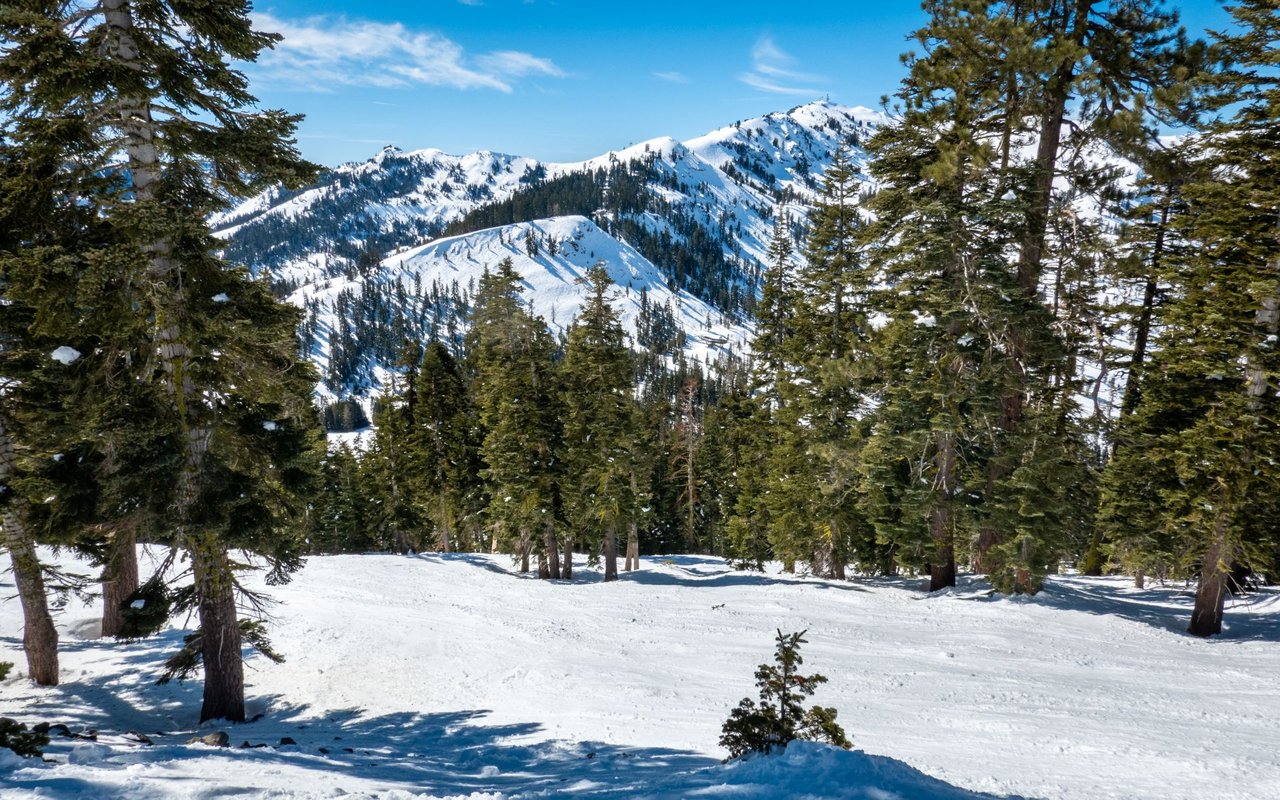
Palisades Tahoe - formerly Squaw Valley, host of the 1960 Winter Olympics - is 8 miles south of Tahoe City via State Route 89, a 15-minute drive in normal conditions. With over 6,000 acres of skiable terrain, 3,600 feet of vertical drop, and 34 lifts, it's one of the largest ski resorts in the country. Alpine Meadows, now connected to Palisades under a single resort operation, adds another 2,600 acres. Northstar California is 18 miles northeast. Homewood Mountain Resort is right on the West Shore, a 10-minute drive from downtown. In a normal winter, buyers in Tahoe City have access to multiple world-class ski resorts without ever getting on a highway.
Summers in Tahoe City are centered on the lake. The Tahoe City Marina offers boat launches, rentals, and slip access. The Truckee River Bike Path runs along the river between the lake and Truckee, popular for cycling, walking, and summer tubing. Burton Creek State Park, a 2,000-acre park accessible from Dollar Point, offers extensive trail networks through old-growth forest. The Tahoe Rim Trail passes through the area, connecting to hundreds of miles of backcountry hiking. Kayaking, paddleboarding, cold-water swimming, and sailing are all summer staples on the lake.
Tahoe City Treetop - a zipline and aerial course built on 97 tree platforms through old-growth cedar and pine - sits in Tahoe City's backyard and has become a summer institution for families in the area.
The Tahoe City real estate market sits within the broader North Shore and West Shore market tracked by the Tahoe Sierra Multiple Listing Service. Across the region, median listing prices hovered near $1.1 million at the end of 2025, up approximately 4–5% year over year. The luxury segment - homes priced above $2 million - saw stronger performance, with the median luxury sale price near $3.25 million in mid-2025 and lakefront values appreciating roughly 12% annually from 2023 to 2025 in the Tahoe Sierra MLS data.
The California side of the lake operates differently from Incline Village and the Nevada side in a few important ways. There is no IVGID-style unified amenity district. Amenity access - beaches, piers, pools - is neighborhood-specific, HOA-specific, and sometimes parcel-specific. Understanding exactly what a given address comes with - and what it doesn't - is critical due diligence that varies property to property. That said, the California side offers something Nevada doesn't: historic lakefront estates with deep-water piers, mature old-growth settings, and the character of Old Tahoe that collectors of significant real estate find irreplaceable.
Lakefront estates in Tahoe City project around $3,200 per square foot at the premium tier in 2026. Entry-level lakefront properties on the North Shore start near $5–$6 million for smaller, older structures. Properties on the Gold Coast with 100-plus feet of private frontage, private piers, and estate-scale square footage range from $10 million to well above $25 million. A single lakefront estate on the California side sold for $27.5 million in early 2025, marking one of the highest residential sales in recent Tahoe history on the California side.
The pricing structure across the broader Tahoe City area organizes similarly to other Tahoe markets:
$1.5M–$2.5M - Updated mountain home in a desirable neighborhood, 1,500–2,500 square feet, potentially with filtered lake views. This is the active mid-market. Dollar Point non-lakefront, Tahoe Park homes off the water, and well-located cabins in the Tahoe City core all live here.
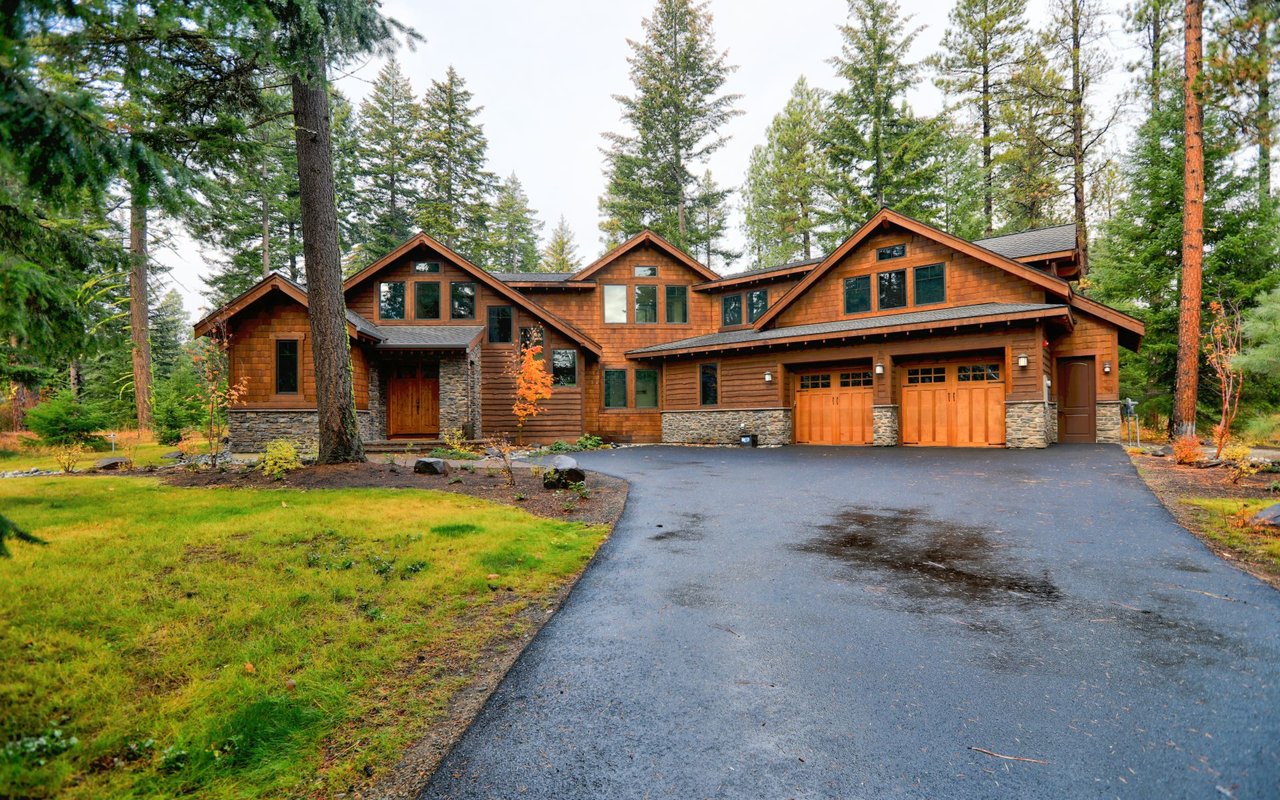
$2.5M–$4M - Larger custom home with meaningful lake views, 2,500–4,000 square feet. Premium Dollar Point addresses with full views, renovated Tahoe Park homes, and West Shore properties with filtered Sunnyside views.
$4M–$8M - Custom estate-scale homes with premium view corridors, Dollar Point lakefront condos with pier access, and entry-level West Shore lakefront on the Sunnyside corridor.
$8M–$15M - True Gold Coast or North Shore lakefront with 75–150 feet of private shoreline, private pier, and 4,000–7,000 square feet of living space. These are genuine generational properties.
$15M–$25M+ - Legacy Gold Coast estates with expansive sandy beaches, deep-water piers, multiple structures, and the privacy and scale that defines West Shore ownership at its ceiling.
Unlike Incline Village, which sits in unincorporated Washoe County with its own regulatory framework, Tahoe City sits in Placer County, which has implemented a hard cap of 3,900 short-term rental permits across the county's Tahoe basin communities. Since the waitlist system was implemented in 2023, new permits only become available when existing ones are relinquished. This scarcity has meaningfully increased the value of properties that already carry an active STR permit.
For buyers who want rental income potential as part of their investment thesis, understanding the STR permit situation is a non-negotiable step in any Tahoe City purchase. STR permits in Placer County do not transfer with the sale of a property. The new owner must apply for their own permit, and with the county at its 3,900-permit cap and a waitlist in place, approval is not guaranteed. Properties where the current owner holds an active permit are desirable, but buyers should not assume that permit carries over at close. It is also worth noting that Dollar Point HOA amenities - the beach, pier, and pool - are not available to short-term renters staying fewer than 31 nights.
Tahoe City schools fall within the Tahoe-Truckee Unified School District (TTUSD), which covers approximately 720 square miles of the Sierra Nevada and serves over 5,000 students. Niche rates the district overall at an A, with a reported student-to-teacher ratio of 18:1.
Tahoe Lake Elementary (K–5, 286 students) earned an A− from Niche and offers an accelerated learning program. North Tahoe Middle School holds an A− from Niche as well, known for its Nordic skiing and mountain biking clubs - extracurriculars that reflect the community's outdoor identity in a way that few schools outside the Sierra Nevada can match. North Tahoe High School is rated A− by Niche, with an active environmental program and strong community engagement. All three schools carry the character of a tight-knit mountain district where teachers know families and class sizes stay manageable.
Tahoe City sits roughly 100 miles from Sacramento and approximately 195 miles from San Francisco - about 3 to 3.5 hours by car via I-80 and Highway 267 or Highway 89. Reno-Tahoe International Airport is about 45 miles east via Highway 267 through Truckee. Truckee Tahoe Airport (KTRK), the region's private-jet facility, is 14 miles north on Highway 267 - roughly 20 minutes in normal conditions.
Road access matters on the North Shore in winter. I-80 through Truckee stays open year-round with chain controls - it's the most reliable winter corridor in the Sierra Nevada. Highway 89 south toward Emerald Bay can close seasonally due to avalanche risk, which is worth factoring in if West Shore properties are on your list. For most Tahoe City neighborhoods - Dollar Point, Tahoe Park, the town core - access is reliable and manageable throughout the ski season.
Unlike Incline Village on the Nevada side, Tahoe City buyers remain subject to California state income tax, which tops out at 13.3% - the highest rate in the country. Capital gains are taxed as ordinary income in California. Property taxes are governed by Proposition 13, which caps the base rate at 1% of purchase price, with local bonds and assessments typically bringing the effective rate to 1.1%–1.25%. On a $7 million estate, that's roughly $77,000–$87,500 in annual property taxes.
For buyers choosing between the California and Nevada sides, this is one of the more significant financial distinctions. The Nevada side offers no state income or capital gains tax; California does not. That said, many buyers choose the California side for reasons that have nothing to do with tax optimization: the character of the West Shore, the depth of the Gold Coast estates, the walkability of Tahoe City, or the specific neighborhoods they've fallen in love with. The right answer depends on your priorities.
Buyers comparing Tahoe City to other Tahoe communities are usually thinking through a few things. South Lake Tahoe is larger, more tourist-facing, and less residential - great for visitors, less suited to the lifestyle buyer seeking a place to actually live. Incline Village on the Nevada side offers significant tax advantages and a master-planned community feel with IVGID amenities, but trades the Old Tahoe character and Gold Coast gravitas of the West Shore for Nevada tax residency. Truckee is the off-lake alternative - no shoreline, but a thriving town with luxury golf communities like Martis Camp and Lahontan within minutes. Kings Beach and Carnelian Bay are the more affordable North Shore options, with public beach access and a more working-class character.
Tahoe City is the choice for buyers who want a genuine mountain town with walkable infrastructure, direct lake access, proximity to the best ski terrain in California, and the legacy lakefront character of the West Shore Gold Coast - all on the California side, with Proposition 13 property tax stability and one of the most desirable school districts in the Sierra Nevada.
What is the median home price in Tahoe City? The median single-family home price in the Tahoe City area sits near $1.65 million across all property types. In the luxury segment - homes above $2 million - the median sale price hovered near $3.25 million in mid-2025. Lakefront estates on the Gold Coast and West Shore range from $8 million to well above $25 million.
Is Tahoe City better for second homes or primary residences? Both. Tahoe City's walkable downtown, strong schools, year-round outdoor lifestyle, and genuine community character make it one of the more compelling primary residence markets at Lake Tahoe for buyers who want to actually live here. At the same time, the second-home market is active and deep, particularly in Dollar Point, Tahoe Park, and the West Shore, where strong seasonal demand supports both personal use and rental income potential.
How do STR permits work in Tahoe City? Placer County caps STR permits in the Tahoe basin at 3,900 total. New permits are only available when existing ones are relinquished, and there is currently a waitlist system. STR permits do not transfer with the sale of a property. The new owner must apply independently, and approval is not guaranteed given the cap. If rental income is part of your buying thesis, confirm the current permit status with the county before making an offer and plan accordingly.
What HOA amenities are available in Dollar Point? The Dollar Point Association (membership optional, approximately $1,200/year) maintains a private lakefront beach with pier and buoy field, an outdoor pool, tennis and pickleball courts, bocce ball, and picnic areas. For non-member properties, the initiation fee to join is approximately $50,000. HOA amenities are not available to short-term renters staying under 31 nights.
What makes the Gold Coast different from the rest of the lake? The Gold Coast - the stretch of West Shore shoreline between Sunnyside and Homewood - combines deep-water lake access (critical for private piers and boat lifts), old-growth forest privacy, expansive lot sizes, and an "Old Tahoe" architectural character that newer developments simply cannot replicate. Many estates here have changed hands only a handful of times in their history. When they do come available, they rarely sit on the market long.
Are there private piers in Tahoe City? Yes, but they are not common. The TRPA limits pier permits and new pier construction is heavily regulated. Only 768 private piers exist along all 72 miles of Lake Tahoe's shoreline. Pier access - whether private or through an HOA like Tahoe Park or Dollar Point - is a meaningful premium factor in the Tahoe City market. Buyers should verify pier ownership, condition, and TRPA compliance during due diligence.
How does Tahoe City compare to Incline Village on the Nevada side? The core distinction is taxes and community character. Incline Village offers Nevada residency - no state income tax, no capital gains tax - plus a master-planned community with IVGID's private beaches, golf, and ski resort package. Tahoe City offers California's Old Tahoe character, the West Shore Gold Coast, a walkable downtown, and property tax stability through Proposition 13, but with California income and capital gains tax exposure. The right answer depends on your financial situation, lifestyle preferences, and what draws you to the lake.
What are the schools like in Tahoe City? The Tahoe-Truckee Unified School District is rated A by Niche overall. Tahoe Lake Elementary earns an A−, North Tahoe Middle School earns an A−, and North Tahoe High School earns an A−. The district's culture is deeply tied to the mountain environment - Nordic skiing and mountain biking are actual school activities - and class sizes stay manageable in what is, by design, a small mountain district.
Is wildfire risk a concern in Tahoe City? Yes, as it is throughout the Tahoe basin and most of the Sierra Nevada. Placer County and local fire agencies have invested significantly in defensible-space programs and fuel management. Insurance availability and pricing should be verified during due diligence - it varies significantly by carrier and specific property location. Factor this into your total cost of ownership calculation before closing.
What's the best neighborhood in Tahoe City for families? Dollar Point and Tahoe Park both rank highly for families - HOA amenity access to private beaches and piers, proximity to good schools, and the kind of community character that makes summers at the lake feel distinctly residential rather than tourist-facing. The West Shore towns of Sunnyside and Homewood are quieter and more private, which suits some family buyers well, though they require a short drive to downtown Tahoe City amenities.
Tahoe City is one of the most nuanced real estate markets at Lake Tahoe. STR permit eligibility, HOA amenity access, TRPA pier compliance, West Shore view corridors, and Dollar Point HOA membership all vary at the individual parcel level - and the most compelling properties above $5 million regularly trade before they're publicly listed.
Lukas Brassie specializes in Lake Tahoe and Truckee luxury real estate, with deep roots across the North Shore and West Shore markets. If you're serious about buying or selling in Tahoe City, let's talk.
Tahoe City has 1,475 households, with an average household size of 2. Data provided by the U.S. Census Bureau. Here’s what the people living in Tahoe City do for work — and how long it takes them to get there. Data provided by the U.S. Census Bureau. 3,539 people call Tahoe City home. The population density is 582 and the largest age group is Data provided by the U.S. Census Bureau.
Total Population
Population Density Population Density This is the number of people per square mile in a neighborhood.
Median Age
Men vs Women
Population by Age Group
0-9 Years
10-17 Years
18-24 Years
25-64 Years
65-74 Years
75+ Years
Education Level
Total Households
Average Household Size
Average individual Income
Households with Children
With Children:
Without Children:
Marital Status
Blue vs White Collar Workers
Blue Collar:
White Collar: