TL;DR: Yes, you can insure a Lake Tahoe home in 2026, but the process has changed. California-side buyers often pair the FAIR Plan with a wrap policy. Nevada-side buyers face a new law that lets insurers remove wildfire coverage from standard policies. Get quotes on the specific property before you write an offer, verify defensible space compliance, and treat insurance as due diligence, not a closing formality.
A few years ago, buyers asked me about the view first. Now the first serious question is almost always about Lake Tahoe wildfire insurance. Can I get coverage? What will it cost? Will it blow up my deal in escrow?
Fair questions. The insurance market around the lake has changed more in the past 18 months than in the previous decade. California overhauled its rules. Nevada passed a first-in-the-nation law that took effect this January. And defensible space went from a nice-to-have to a document you'll see inside the transaction itself.
Here's the honest version: wildfire risk in Tahoe is real, and so is the response to it. This region is one of the most aggressively fire-managed communities in the American West. Buyers who understand how insurance and defensible space actually work here close smoothly. Buyers who treat it as an afterthought get surprised in week three of escrow.
This guide covers both sides of the lake, what coverage costs, what the new rules require, and how I structure deals so insurance never becomes the emergency.
Can You Get Homeowners Insurance on a Lake Tahoe Home in 2026?
Yes. Nearly every home around the lake can be insured in 2026, but the path depends on which side of the state line you're buying. California buyers have a guaranteed backstop through the FAIR Plan. Nevada buyers do not, so coverage comes from standard carriers or the surplus lines market, and it should be confirmed before you write an offer.
The background matters. Carriers pulled back hard from mountain markets after the 2021 fire season. On the Nevada side, insurers non-renewed 481 policies for wildfire risk in 2023, up 82 percent from the year before, and declined nearly 5,000 new applications. Incline Village was among the hardest-hit areas.
The good news is the direction of travel. Some carriers that exited the California side are cautiously writing policies again, especially on homes with documented fire hardening. Coverage exists for almost every property I sell. The variable isn't whether you can get insured. It's what it costs and how much work the specific house requires. That's why I tell every buyer the same thing: quote the actual property, not the zip code.
What Does Wildfire Insurance Cost on a Tahoe Home?
Costs vary widely by property, but here are real numbers. The California FAIR Plan averages $3,000 to $3,200 per year statewide, with high-wildfire-risk properties commonly paying $5,000 to $12,000. Larger luxury homes placed with specialty carriers routinely run into five figures annually. Budget for insurance the way you budget for property taxes: as a permanent line item.
And that line item is moving. The FAIR Plan has asked California regulators for a rate increase averaging about 36 percent, which would raise Truckee policyholder costs by roughly 33 percent on average and South Lake Tahoe by nearly 43 percent.
Two things soften this at the price points I work in. First, at $2M to $5M, insurance is a meaningful cost but rarely a deal-killer. It's a number you plan around, like snow removal or HOA dues. I walk through the full carrying-cost picture in my guide to budgeting for a Tahoe second home. Second, hardened homes get better pricing, and sometimes better carrier access. More on that below.
California vs. Nevada: Two Completely Different Insurance Systems
Here's what surprises almost every buyer comparing homes on both sides of the lake: the state line splits the insurance world in two.
On the California side, the FAIR Plan is the insurer of last resort. If every private carrier declines you, the FAIR Plan must offer basic fire coverage. The catch is that it covers fire and smoke only. Most owners pair it with a separate "difference in conditions" policy to cover everything else, and two-thirds of FAIR Plan policyholders bought that second policy per the state insurance department. It's a two-policy structure, and it works, but you need to price both pieces together.
Nevada plays by different rules entirely. Nevada is one of 17 states with no insurer of last resort. A 2025 bill to create one died in the legislature. Then came the bigger change: Assembly Bill 376 took effect January 1, 2026, making Nevada the first state in the country to let insurers remove wildfire coverage from a standard homeowners policy. Carriers can now sell wildfire protection as a separate standalone product, or exclude it entirely.
No carrier is required to do either. But if you're buying in Incline Village or Crystal Bay in 2026, you now read every policy for a wildfire exclusion, confirm what the standalone product costs, and verify with your lender that the structure satisfies your loan. This is one more way the two sides of the lake differ, alongside taxes and lifestyle, which I break down in my honest take on buying on the Nevada or California side.
What Is Defensible Space and Who Enforces It in Tahoe?
Defensible space is the buffer of managed vegetation around a home that slows or stops an approaching fire. In Tahoe it's not a suggestion. Local fire districts inspect for it, California requires compliance documentation when a home sells in a high fire hazard zone, and insurers increasingly price policies around it.
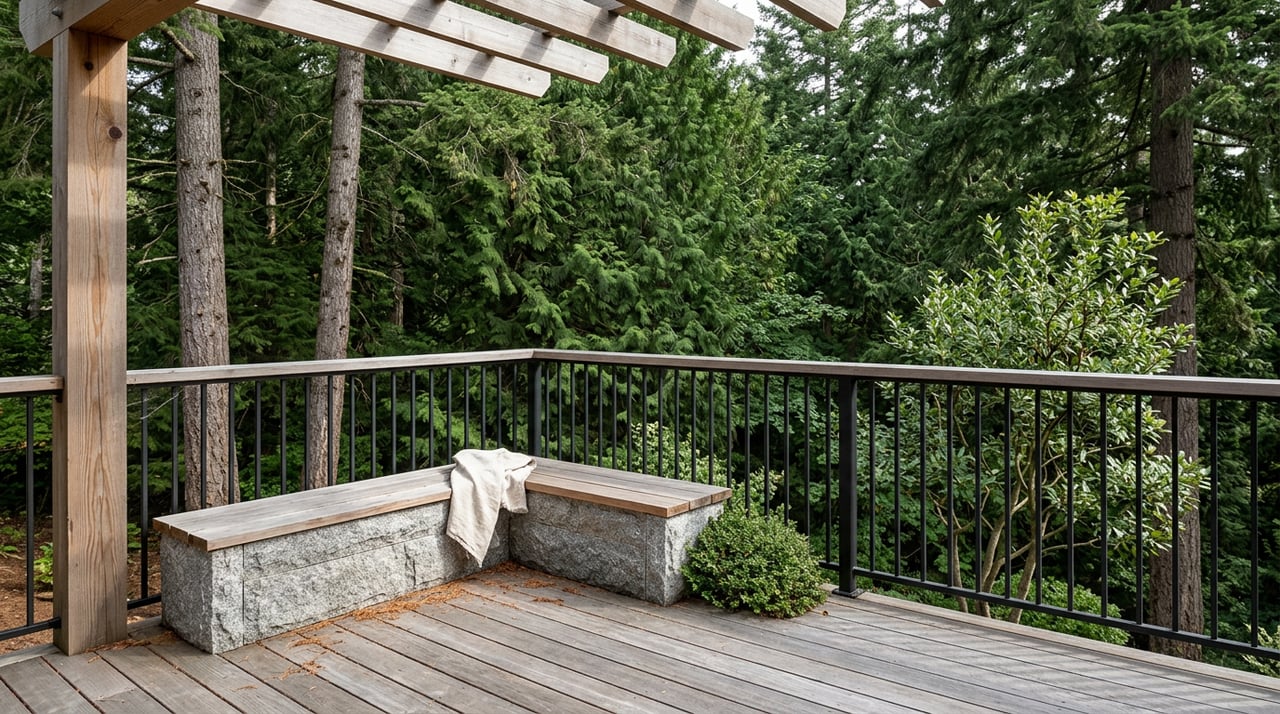
The rules are tightening in a specific direction: the first five feet. California's Board of Forestry is finalizing "Zone 0" ember-resistant regulations for the area immediately around a structure, because research shows wind-blown embers, not walls of flame, ignite most homes. Think no bark mulch against the foundation, no firewood stacked under the deck, no juniper hugging the siding.
Enforcement is local and, frankly, more helpful than people expect. In Incline Village and Crystal Bay, the North Lake Tahoe Fire Protection District offers free defensible space inspections and curbside chipping, with 2026 scheduling opening in early May. On the California side, Assembly Bill 38 requires sellers in high or very high fire hazard severity zones to hand buyers documentation of a compliant defensible space inspection, or a written agreement that the buyer will obtain it within a year of closing.
If you own remotely, defensible space becomes part of your annual maintenance rhythm, right alongside the systems I cover in my guide to maintaining a Truckee home from out of town.
How I Handle Insurance Inside the Offer
This is where deals are won or lost, and it's simpler than it sounds. My playbook:
Quote before you write. The moment a buyer gets serious about a property, we get insurance quotes on that specific address. Not estimates. Quotes. I keep a shortlist of insurance contacts who know this market on both the California and Nevada side, and I connect my clients directly. Reach out and I'll point you to the right people for the side of the lake you're buying on.
Structure the contingency correctly. Your inspection and insurance timelines should let you walk away clean if coverage comes back unworkable. In practice it almost never does, because we quoted early.
Pull the paper trail. On California-side homes, we request the seller's AB 38 compliance documentation up front. On both sides, we ask for any past defensible space inspection reports. A seller with a clean inspection history is telling you something good about the house. Sellers, this cuts both ways: having these documents ready is now part of preparing to list, which I cover in my guide to selling a Tahoe home in 2026.
Confirm the lender's requirements. Especially in Nevada post-AB 376, verify in writing that your policy structure satisfies your loan's hazard insurance requirement.
Home Hardening That Pays You Back
Fire hardening used to be purely defensive. Now it's financial. The IBHS Wildfire Prepared Home designation, a science-based certification for homes that complete a specific set of mitigation steps, has become a currency insurers recognize. Some carriers offer premium discounts of 10 to 20 percent for certified homes, and some that won't write uncertified homes in high-risk areas will write certified ones.
The upgrades that matter most: a Class A roof, ember-resistant vents, noncombustible material in the first five feet, and a clean deck and gutter line. On a renovation or new build, these are cheap decisions. On resale, they're becoming a genuine asset. When I market a hardened home, the inspection reports and certifications go in the listing package, because sophisticated buyers now ask.
Why Wildfire Risk Isn't a Reason to Walk Away
Here's the perspective I give buyers who are on the fence. The 2021 Caldor Fire, one of the largest in California history, burned 10,000 acres inside the Tahoe Basin and not one permanent residence was lost. That wasn't luck. It was the payoff of nearly two decades of coordinated work: more than 78,000 acres of forest treatment and 85,000 defensible space evaluations across the basin since 2007, plus firefighting crews who used those treated zones exactly as designed.
Compare that to the 2007 Angora Fire, which burned just 3,100 acres and destroyed 248 homes. The difference between those two outcomes is the story of what this community built in between. The agencies here just renewed a 10-year strategy to keep that work going.
Risk is part of mountain ownership, the same way snow load and altitude are. What matters is whether the risk is being managed, and around this lake, it demonstrably is. Buy the right house, harden it, insure it correctly, and enjoy it.
Ready to get specific? Start with my complete luxury buyer's guide, browse current off-market inventory, or reach out directly. I'll connect you with trusted insurance contacts on either side of the lake and walk you through the coverage picture on any property you're considering, before you ever write an offer.
Frequently Asked Questions
Can I get homeowners insurance in Incline Village right now?
Yes. Coverage is available through standard carriers and the surplus lines market, though Nevada has no FAIR Plan backstop and carriers have tightened underwriting. Since January 1, 2026, Nevada law also allows insurers to exclude wildfire from standard policies, so every quote needs to be checked for a wildfire exclusion. Quote the specific property before writing an offer.
Does Nevada have a FAIR Plan like California?
No. Nevada is one of 17 states without an insurer of last resort, and a 2025 bill to create one failed. If private carriers decline a Nevada property, coverage comes from the surplus lines market rather than a state backstop. That makes early insurance quotes even more important on the Nevada side.
What is Zone 0 defensible space?
Zone 0 is the first five feet around a structure, sometimes called the ember-resistant zone. Research shows wind-driven embers cause most home ignitions, so this zone should be free of combustible material: no bark mulch, wood fencing attached to the house, stored firewood, or flammable plants. California is finalizing statewide Zone 0 regulations now.
Will wildfire risk hurt my Tahoe home's resale value?
The market has priced fire risk in, and well-prepared homes hold a growing advantage. Documented defensible space compliance, hardening upgrades, and certifications like the IBHS Wildfire Prepared Home designation are becoming resale assets that improve both insurability and buyer confidence. Poorly maintained properties face more insurance friction, which buyers notice.
What should I ask the seller about wildfire before making an offer?
Ask for defensible space inspection reports, AB 38 compliance documentation on California-side homes, the current insurance carrier and premium, any non-renewal history, and records of hardening upgrades like roof replacement or ember-resistant vents. The answers tell you how the home will quote and how much work is ahead of you.